By A CUTE PET STORY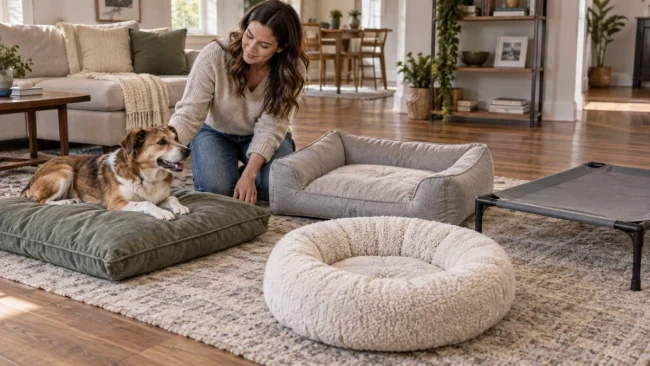
The best dog beds are not necessarily the softest, thickest, or most expensive ones. A good bed should fit how your dog actually sleeps, provide enough usable space, suit your dog’s age and activity level, and be practical enough to clean regularly.
A dog that sprawls may prefer a wide pillow-style bed, while a dog that curls tightly may feel more comfortable in a round or donut-shaped bed. Large dogs need enough real sleeping space and support, while puppies and chewers may need durability to matter more than plushness.
Instead of looking for one bed that is “best” for every dog, use this guide to match bed type, size, support, materials, and maintenance to your dog’s everyday habits.
You can also explore our complete Dog Beds topic hub for more guides on specific bed styles and needs.
What Makes a Dog Bed “Best”?
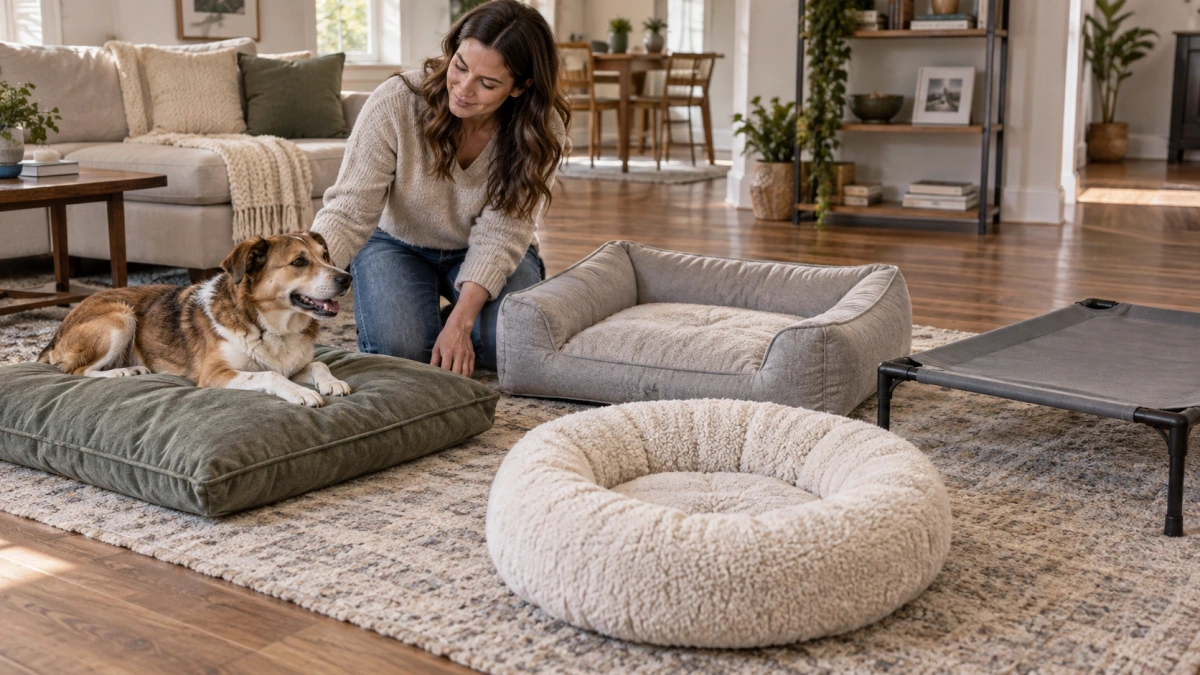
There is no single bed style that works equally well for every dog. The right choice depends on several practical questions:
- How does your dog normally sleep?
- How much usable sleeping room does the dog need?
- Does the dog prefer soft surfaces or firmer support?
- Does the dog get hot easily?
- Does the dog chew, scratch, or dig at bedding?
- How easy is the bed to wash?
- Will the bed be used indoors, in a crate, outdoors, or while traveling?
- How often are you realistically willing to replace it?
A bed becomes a good choice when these factors match the individual dog, not simply because the product is highly rated or visually attractive.
Quick Dog Bed Decision Table
| Your Dog’s Habit or Need | Good Starting Bed Type | Main Thing to Check |
|---|---|---|
| Sprawls out while sleeping | Pillow or flat mattress | Enough length and width |
| Curls tightly | Donut or round bed | Inner sleeping diameter |
| Likes resting the head on furniture | Bolster or sofa-style bed | Usable area inside the bolsters |
| Runs hot | Elevated or breathable bed | Airflow and fabric |
| Older or slower to move | Low-entry supportive bed | Entry height and firmness |
| Chews or digs bedding | Durable bed | Fabric, seams, and exposed zippers |
| Sleeps in a crate | Crate mat or fitted pad | Correct crate dimensions |
| Likes enclosed spaces | Cave or covered bed | Interior size and ventilation |
Start With How Your Dog Sleeps
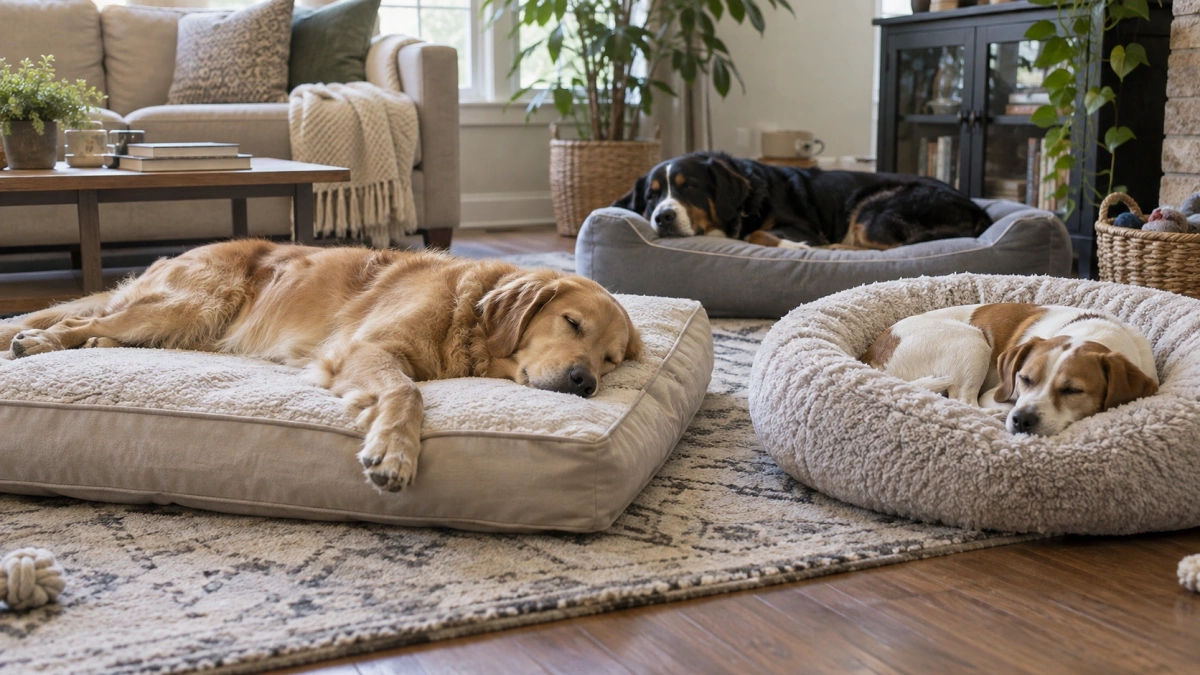
Sleeping position is one of the easiest ways to narrow the choices. Watch your dog during a normal nap instead of assuming a certain breed needs a certain bed shape.
Sprawlers
Dogs that sleep on their sides with their legs stretched out usually need a large, open sleeping surface. A flat pillow, mattress-style, or rectangular bed gives them more freedom to change positions.
Curlers
Dogs that regularly curl into a compact circle may prefer a round or donut-shaped bed. Raised edges can create a defined resting area, but the inside still needs to be large enough for the dog’s body.
Leaners and Head Resters
Some dogs naturally lean against sofas, walls, pillows, or people. A bolster bed may suit this habit because the raised edge provides a place to rest the head or body.
Burrowers
Small dogs and dogs that enjoy sleeping under blankets may prefer a cave, hooded, or covered bed. These styles can feel warmer, so they are not ideal for every dog or every climate.
Measure Your Dog Before Choosing a Bed
Dog bed sizing is more reliable when based on the dog rather than a breed label such as small, medium, large, or extra large.
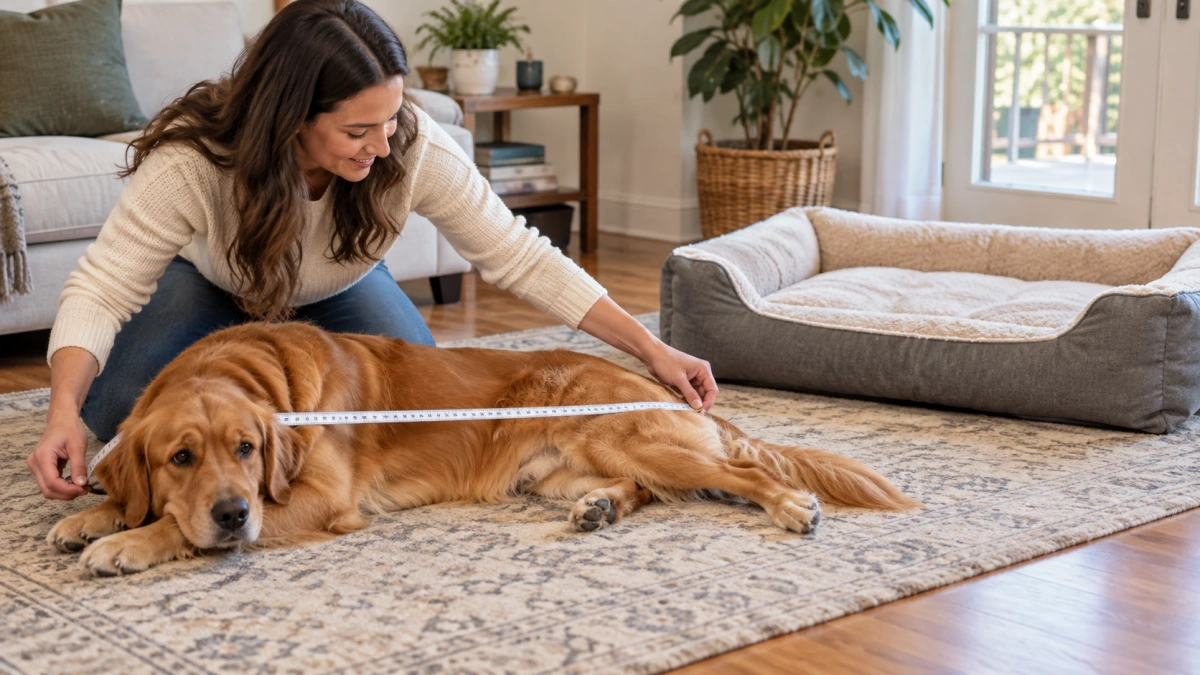
Measure your dog while it is lying in a normal sleeping position. For a dog that sprawls, measure from the nose or chest area to the rear of the body and note how far the legs extend.
Then compare that measurement with the actual sleeping surface of the bed.
A Simple Sizing Process
- Watch your dog sleep in a natural position.
- Measure the approximate length of the occupied space.
- Measure the width needed when the dog lies comfortably.
- Add some extra room for changing positions.
- Compare those measurements with the bed’s usable inner area.
Sizing up slightly is usually more practical than buying a bed that forces the dog to curl up when it naturally prefers to stretch.
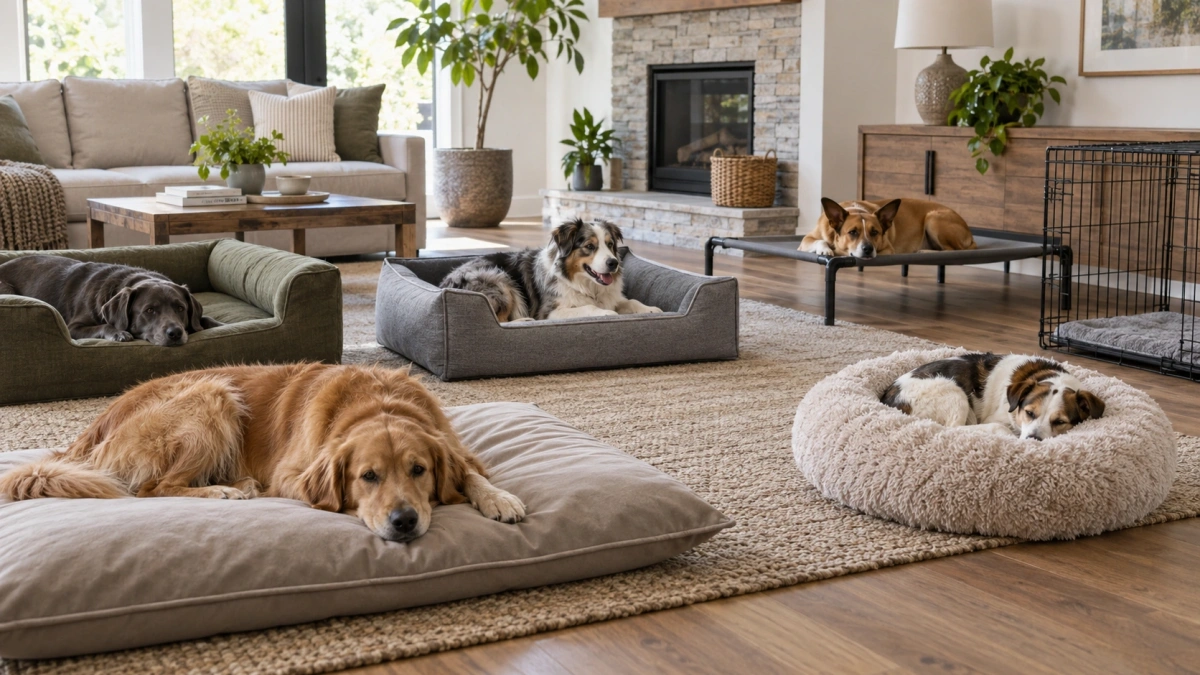
Dog Bed Types Compared
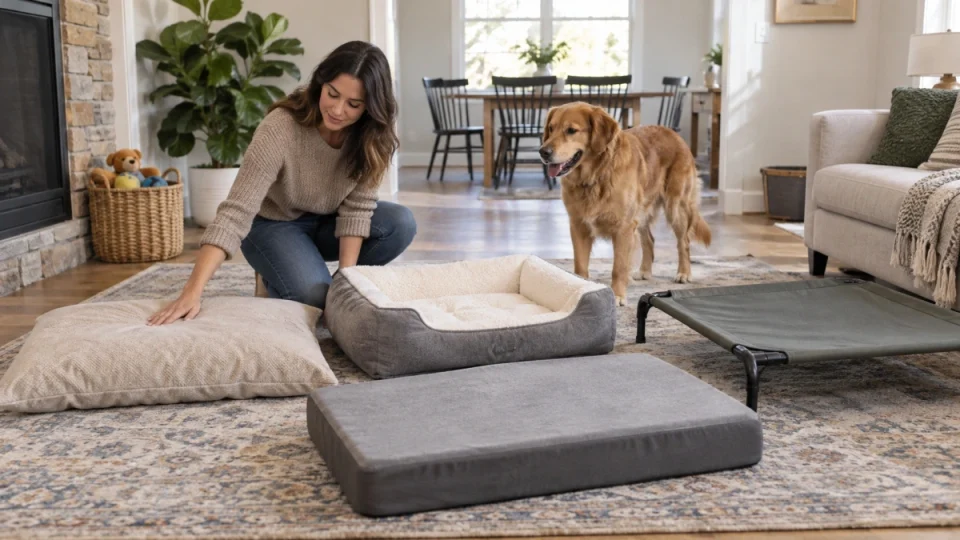
Different dog beds solve different problems. Understanding the basic structure makes it easier to ignore marketing language and focus on what your dog actually needs.
| Bed Type | Often Works Well For | Main Trade-Off |
|---|---|---|
| Pillow bed | Dogs that sprawl or change positions often | Usually has little or no raised side support |
| Bolster bed | Dogs that lean or rest their heads on an edge | Bolsters reduce the usable sleeping area |
| Donut or round bed | Dogs that curl tightly | Less convenient for full-body stretching |
| Orthopedic-style bed | Large, senior, or heavier dogs needing structured support | Often costs more and can be bulky |
| Elevated bed | Warm environments, outdoor use, airflow needs | Less plush than heavily padded beds |
| Crate mat | Crates, travel, limited spaces | Usually thinner than a full bed |
| Cave or covered bed | Dogs that enjoy burrowing or enclosed spaces | Can feel too warm for some dogs |
| Durable bed | Dogs that chew, scratch, or dig | Tough materials may feel less plush |
How Much Support Does Your Dog Need?
Softness and support are not the same thing. A very fluffy bed can feel comfortable at first but may compress until the dog’s body is close to the floor.
For heavier dogs, large breeds, and many senior dogs, the important question is whether the bed maintains enough structure under body weight.
When comparing foam or padded beds, look at:
- Overall cushion thickness
- Whether the bed visibly bottoms out under the dog
- Whether the surface returns to shape after use
- How easy it is for the dog to stand up from the bed
- Whether raised sides make entry difficult
The word “orthopedic” on a product label does not by itself tell you how supportive a bed will feel for a specific dog.
If your dog has a diagnosed joint condition, significant mobility problems, persistent pain, or difficulty lying down and standing up, a veterinarian can help you consider comfort needs alongside appropriate medical care.
Puppies, Adult Dogs and Senior Dogs Need Different Things
Puppies
For puppies, practicality may matter more than luxury. Accidents, chewing, digging, and rapid growth can make a removable washable cover and reasonable replacement cost especially useful.
Avoid buying an expensive oversized bed only because the puppy will eventually grow. A huge bed may not match how the puppy currently prefers to rest, and destructive chewing can shorten its useful life.
Adult Dogs
Healthy adult dogs usually give owners the clearest clues about what they prefer. Watch whether the dog repeatedly chooses flat surfaces, soft couches, cool floors, blankets, or spaces with raised edges.
Senior Dogs
Senior dogs may benefit from a bed that combines support with easy access. A thick bed is not automatically better if the dog struggles to step over a high bolster or sinks deeply into very soft filling.
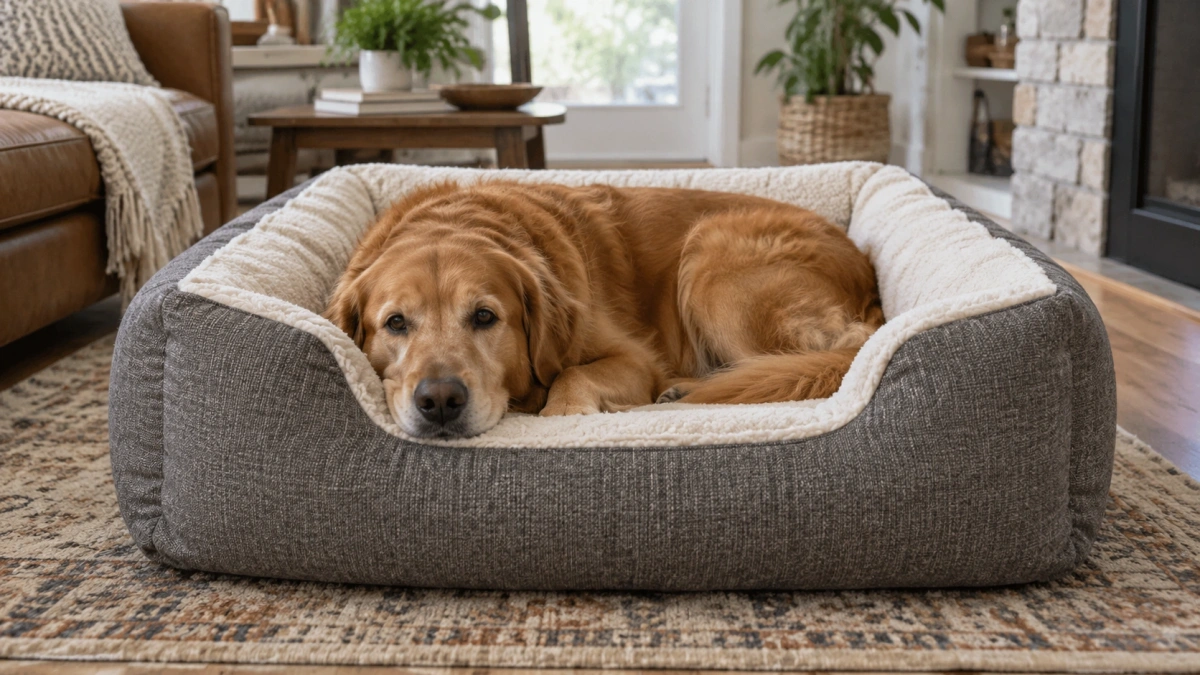
Usable Sleeping Area Matters More Than Outer Size
One of the easiest dog bed sizing mistakes is comparing only the advertised outside dimensions.
A rectangular bolster bed may look large on a product page, but thick raised sides can remove several inches of usable sleeping room on every side. A large dog may therefore have much less room than expected.
Before buying a bed with bolsters, walls, or a thick frame, check whether the manufacturer provides an inner sleeping-area measurement.
If it does not, estimate how much space the sides occupy and compare the remaining area with your dog’s normal sleeping position.
What About Dogs That Chew or Dig?
A dog that regularly chews bedding needs a different buying strategy from a dog that leaves beds untouched.
Look closely at:
- Exposed zippers
- Loose fabric edges
- Raised piping
- Weak seams
- Removable decorative pieces
- Whether the inner filling becomes accessible if the cover tears
No soft bed should be assumed to be completely chew-proof. If a dog repeatedly destroys and swallows bedding material, supervision and management are more important than relying on a marketing claim.
Warm Dogs vs Cold Dogs
Temperature preference can explain why a dog ignores an expensive plush bed and chooses tile or hardwood instead.
Dogs That Run Warm
Consider:
- Elevated cots
- Breathable fabric
- Lower-profile beds
- Less enclosed shapes
- Bed placement away from direct heating
Dogs That Seek Warmth
They may prefer:
- Soft padded beds
- Donut beds
- Bolsters
- Blanket-friendly beds
- Covered or cave-style designs
The dog’s actual preference matters more than assuming all dogs want thick, fluffy bedding.
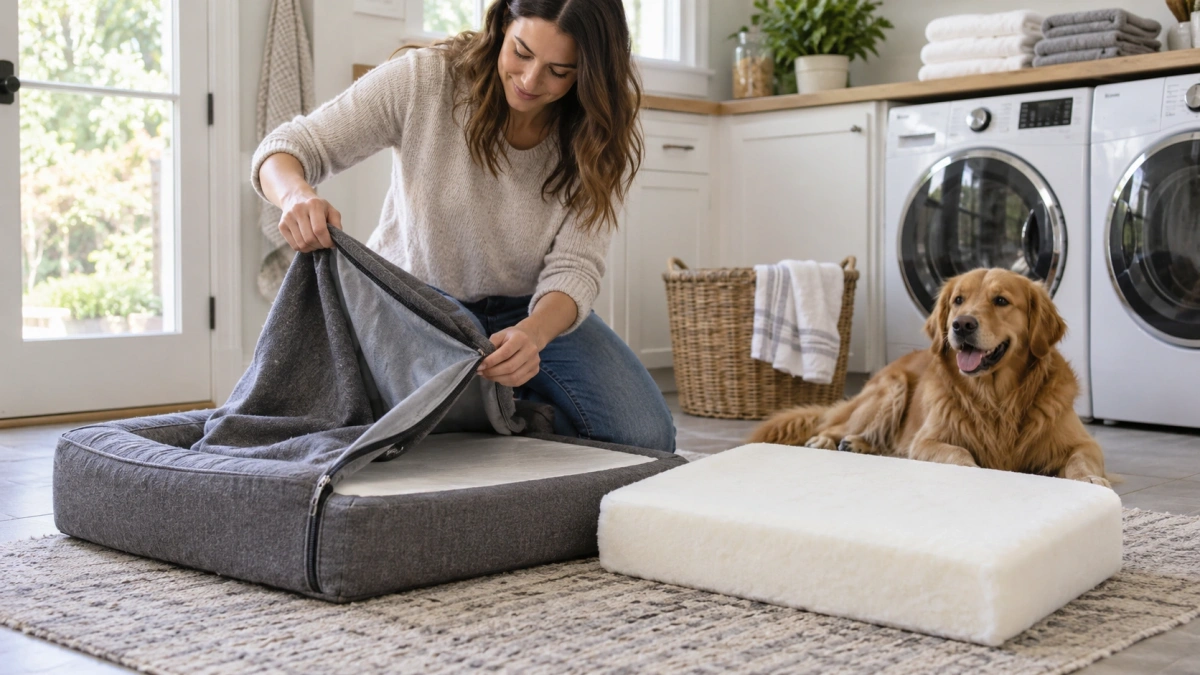
Washability and Everyday Cleaning
A dog bed can look excellent on the day it arrives and become inconvenient within weeks if it is difficult to clean.
Before buying, check:
- Whether the outer cover is removable
- Whether the cover is machine washable
- Whether the zipper opens widely enough to remove the insert easily
- Whether the foam or filling must be hand cleaned
- Whether there is a water-resistant inner liner
- How the cover should be dried
- Whether replacement covers are available
For dogs that shed heavily, spend time outdoors, drool, or frequently track dirt inside, washability may be more valuable than decorative features.
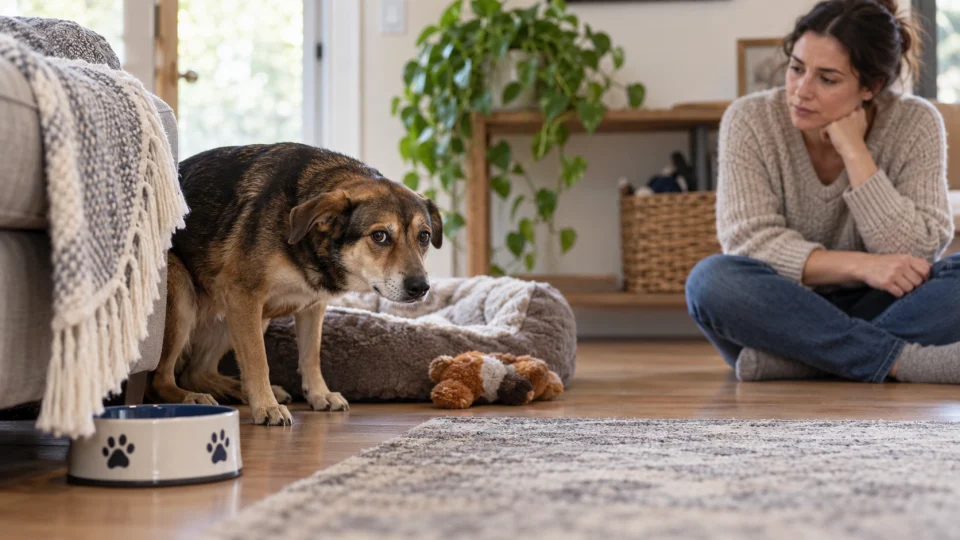
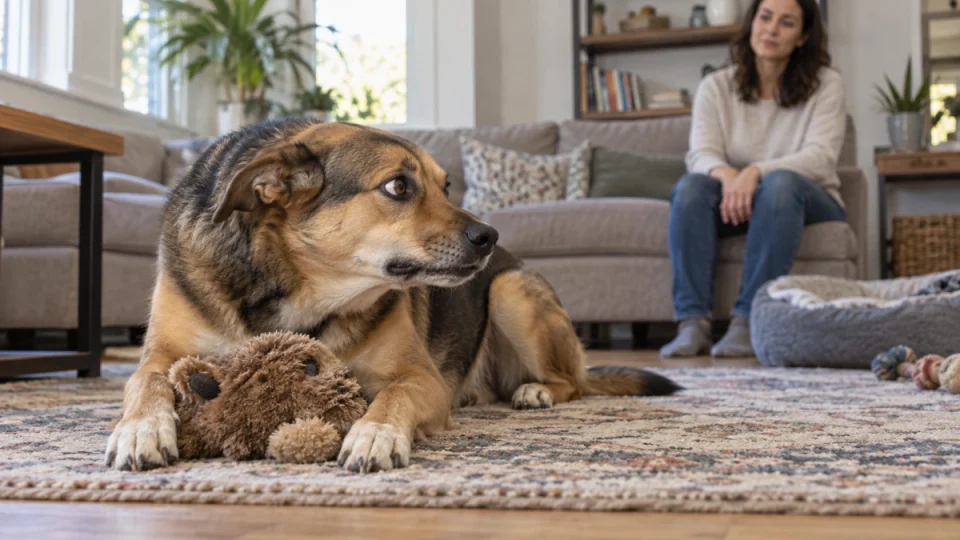
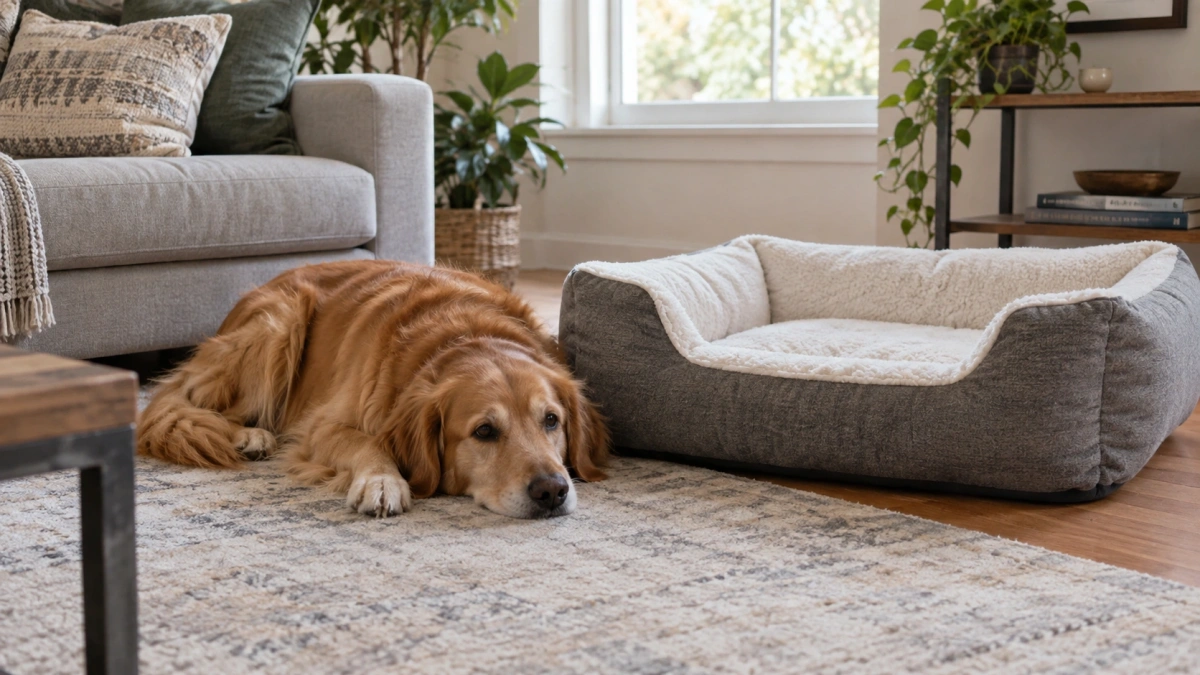
Why Your Dog May Ignore a New Bed
Buying a highly rated bed does not guarantee your dog will immediately use it. Dogs can reject new beds for surprisingly practical reasons.
| Possible Reason | What You Can Check |
|---|---|
| The bed feels too warm | See whether the dog repeatedly chooses cooler flooring |
| The bed is too small | Compare the inner sleeping area with the dog’s stretched sleeping position |
| The bed is too soft | Notice whether the dog prefers firmer rugs or floors |
| The bed is too firm | Notice whether the dog normally chooses sofas or blankets |
| The sides are too high | Check whether stepping into the bed looks inconvenient |
| The location is wrong | Move the bed closer to where the dog naturally chooses to rest |
| The bed smells unfamiliar | Allow time for the dog to investigate without forcing it |
| The shape does not match sleeping style | Compare the design with the dog’s usual position |
Avoid repeatedly placing or holding the dog on the bed. A better approach is to position it somewhere the dog already likes to rest and allow the dog to investigate naturally.
How Much Should You Spend on a Dog Bed?
The best value is not always the cheapest bed or the most expensive one. Think about how long the bed is likely to remain useful.
A lower-cost bed may make sense when:
- A puppy is still growing
- The dog is still learning not to chew bedding
- You need a secondary bed for another room
- The bed is mainly for occasional travel
- The dog has simple sleeping preferences
Paying more may make sense when you need:
- A larger sleeping surface
- More structured foam
- Durable construction
- A removable replacement cover
- A specialized shape or frame
- A bed expected to handle frequent daily use
If price is your main concern, our guide to cheap dog beds explains how to spend less without giving up basic sizing, cleaning, comfort, and everyday practicality.
Do Breed-Specific “Best Dog Bed” Lists Matter?
Breed can provide clues about likely adult size, coat type, body weight, and activity level, but it should not be the only reason you choose a bed.
Two Labrador Retrievers of similar weight may sleep very differently. One may stretch across the floor, while another curls tightly against the side of a couch.
Instead of selecting a bed only because it is marketed for Golden Retrievers, French Bulldogs, German Shepherds, Huskies, Pit Bulls, Chihuahuas, or another breed, first evaluate:
- Actual body size
- Sleeping position
- Mobility
- Temperature preference
- Chewing habits
- Cleaning needs
Those factors usually provide more useful guidance than a breed name alone.
Final Dog Bed Buying Checklist
Before ordering a dog bed, run through this checklist.
- Does the shape match how my dog sleeps?
- Is the usable sleeping area large enough?
- Can my dog enter and leave the bed easily?
- Does the cushioning stay supportive under my dog’s weight?
- Will the bed be too warm or too enclosed?
- Can the cover be removed and washed?
- Are seams and zippers suitable for my dog’s habits?
- Will the bed fit the intended room, crate, or travel space?
- Can I replace the cover instead of the entire bed?
- Does the price make sense for how the bed will be used?
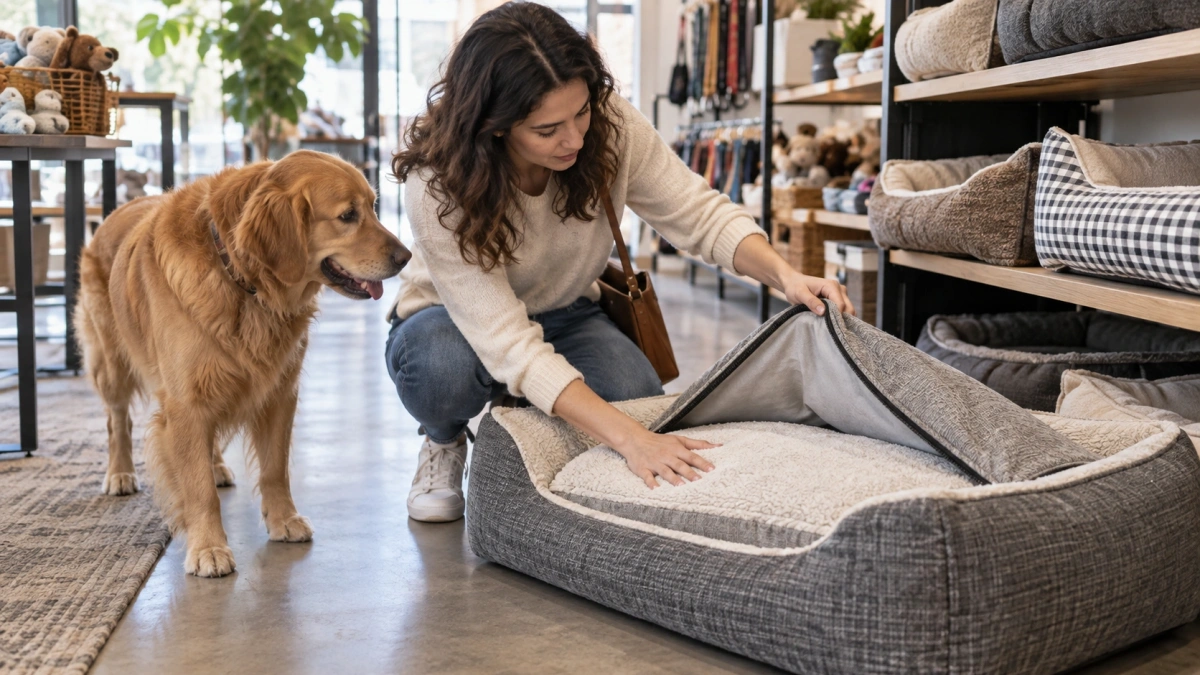
Final Thoughts
The best dog bed is the one that matches your dog’s real sleeping habits and your household’s practical needs.
Start with sleep position, measure the dog, compare usable sleeping space, and choose a bed shape that makes sense. Then consider support, temperature, chewing behavior, cleaning, and budget.
A simple bed that your dog uses every day is a better choice than an expensive top-rated bed that is too small, too warm, difficult to wash, or poorly matched to the way your dog actually sleeps.