By A CUTE PET STORY
Dogs can experience stress and anxiety just like humans. While occasional nervousness can be a normal response to unfamiliar situations, ongoing anxiety may affect a dog’s behavior, daily routine, and overall quality of life.
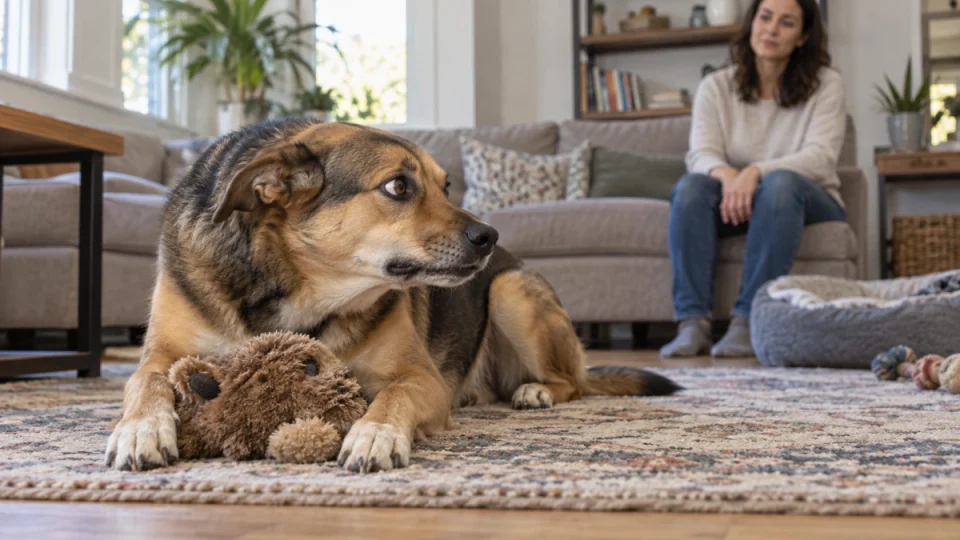
Dog anxiety is not always obvious. Some dogs may become restless, avoid certain situations, bark more than usual, hide, or show changes in their normal behavior patterns.
Understanding the signs, possible causes, and ways to support an anxious dog can help owners respond more effectively and create a safer environment.
This guide explains common anxiety signals, why dogs become stressed, and practical ways owners can help dogs feel more comfortable.
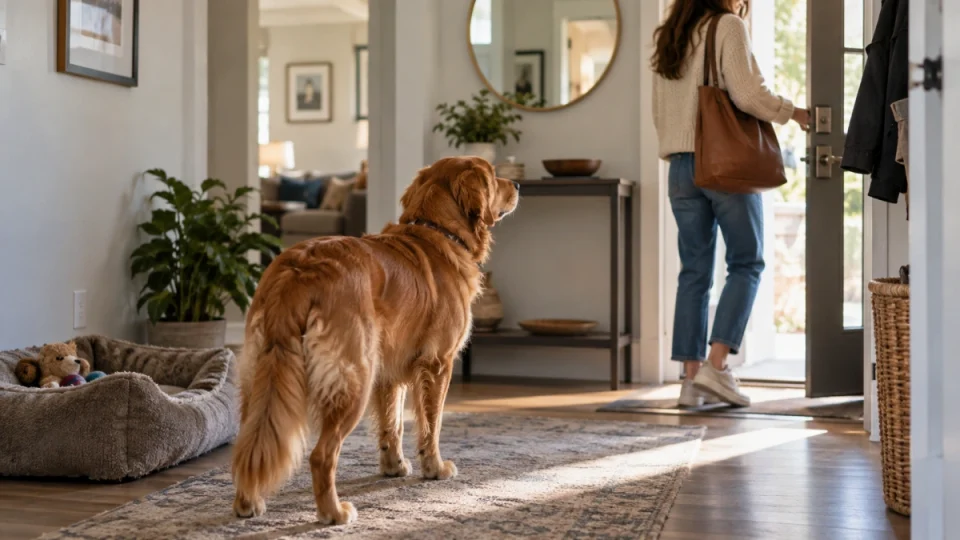
Some anxiety behaviors are related to being left alone. Learn more about separation anxiety in dogs and how this specific situation affects behavior.
Explore more behavior-related guides in our Dog Behavior Problems topic hub.

What Is Dog Anxiety?
Dog anxiety refers to emotional stress or fear responses that affect how a dog reacts to certain situations, environments, people, or experiences.
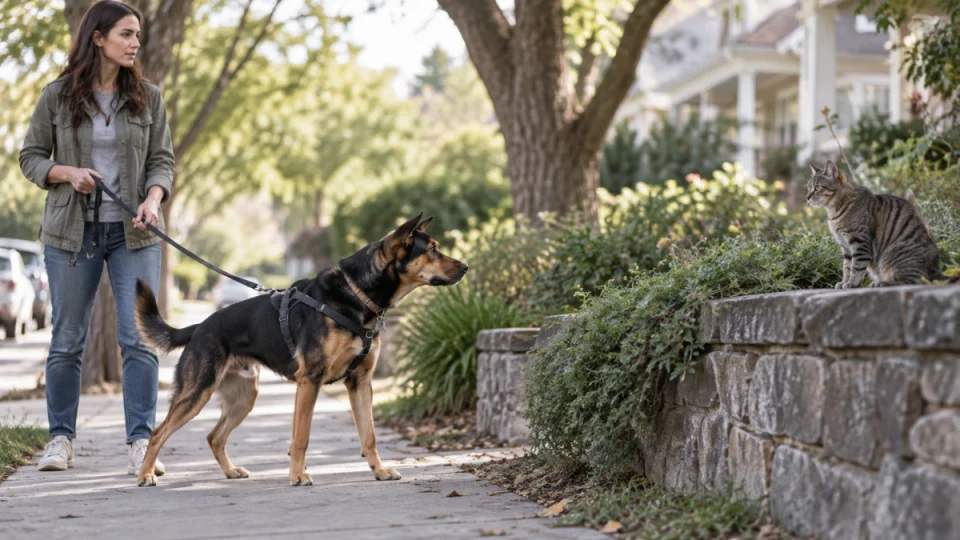
Anxiety can appear in different forms. Some dogs become more alert and reactive, while others become withdrawn or avoid interaction.
Common situations that may contribute to anxiety include:
- Unfamiliar environments
- Loud noises
- Changes in daily routines
- New people or animals
- Being separated from familiar people
- Previous negative experiences
Signs of Anxiety in Dogs
Dogs communicate stress through body language and behavior changes. Learning these signals helps owners notice problems earlier.
| Behavior Signal | Possible Meaning |
|---|---|
| Pacing or inability to settle | The dog may feel uncomfortable or unable to relax |
| Hiding or avoiding interaction | The dog may be seeking distance or safety |
| Excessive barking | May be a response to stress, uncertainty, or frustration |
| Restlessness | The dog may have difficulty feeling calm |
| Changes in normal habits | May indicate emotional or environmental changes |
Understanding Dog Stress Signals
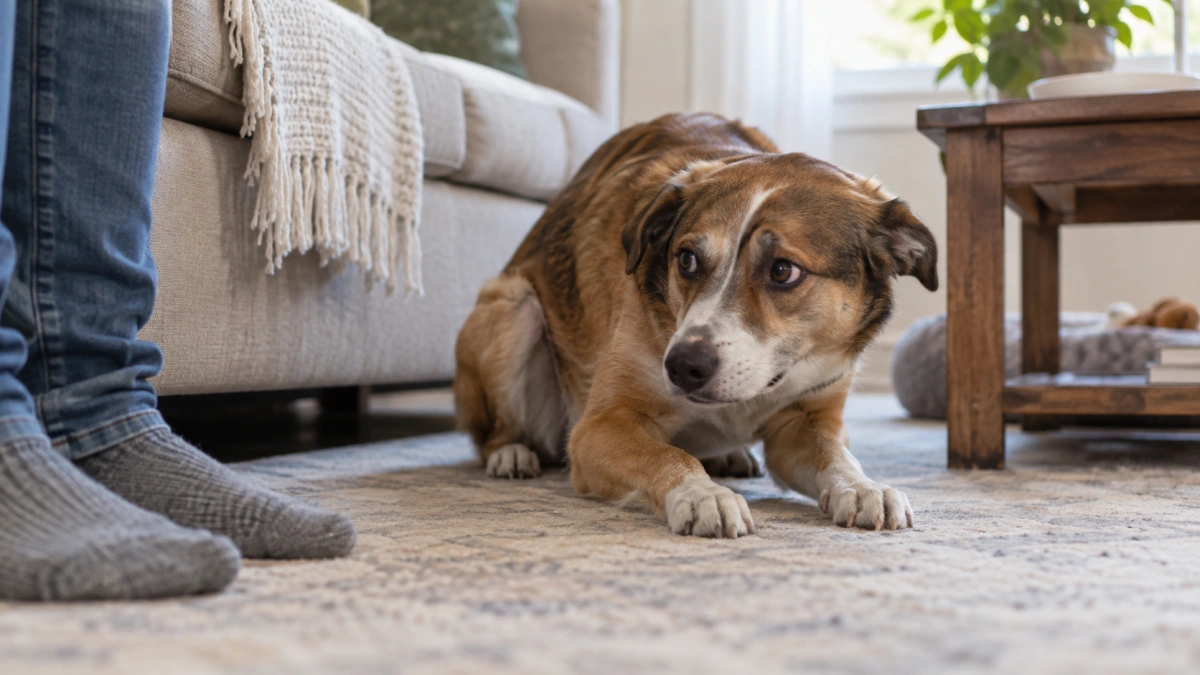
Dogs often show smaller warning signs before stronger reactions happen. Observing body language can help owners understand when a dog feels uncomfortable.
| Signal | What Owners Can Observe |
|---|---|
| Looking away | The dog may be trying to avoid pressure |
| Lip licking | May appear during uncertain situations |
| Lowered posture | May indicate insecurity or discomfort |
| Stiff body | May show tension or alertness |
| Seeking distance | The dog may need more space |
A single behavior does not always mean anxiety. The situation, environment, and the dog’s normal personality should always be considered together.
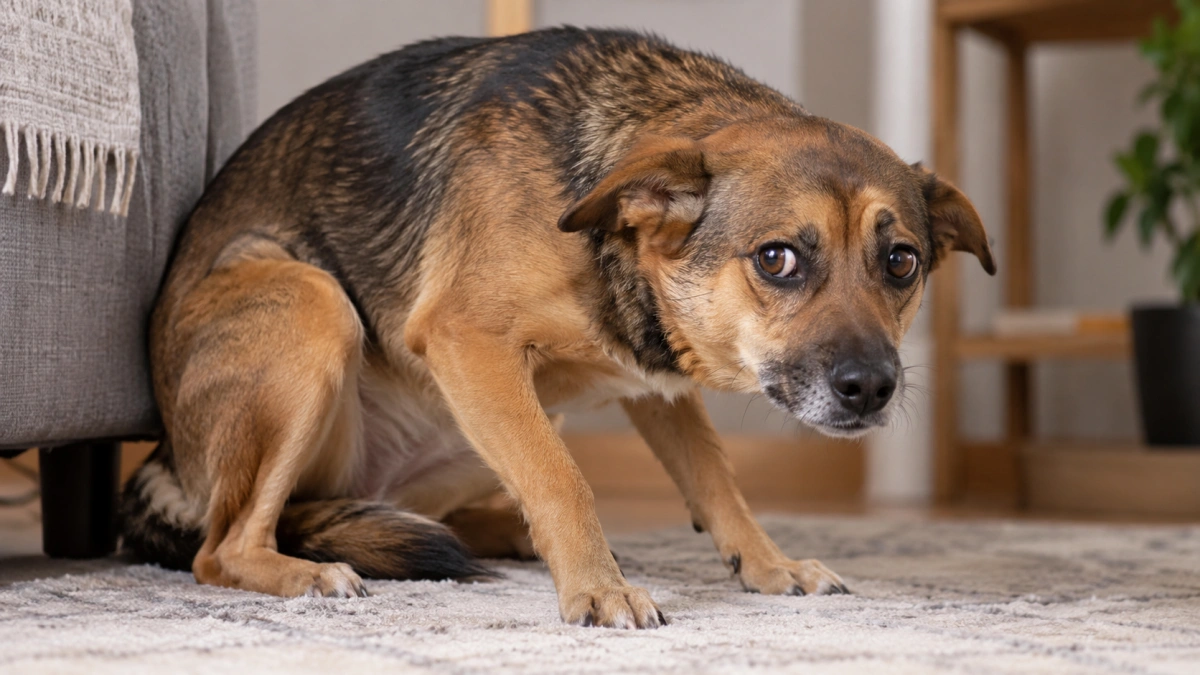
Common Causes of Dog Anxiety
Dogs may become anxious for different reasons. Identifying possible triggers is an important step toward helping them feel more secure.
| Possible Cause | How It May Affect Dogs |
|---|---|
| Environmental changes | New surroundings may create uncertainty |
| Routine changes | Dogs may struggle when familiar patterns change |
| Loud sounds | Unexpected noises may create fear responses |
| New experiences | Unfamiliar situations may feel overwhelming |
| Previous negative experiences | Past events may influence future reactions |
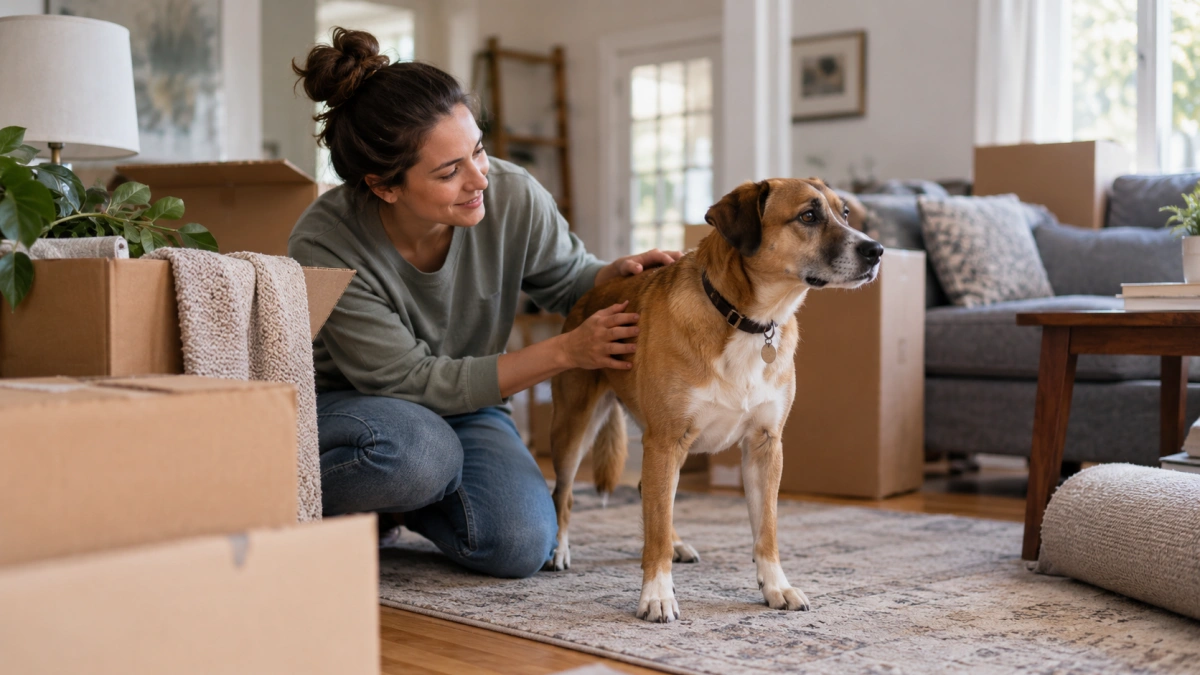
Stress vs Normal Dog Behavior
Not every unusual behavior means a dog is anxious. Dogs naturally experience excitement, curiosity, and changes in energy levels.
| Normal Behavior | Possible Stress-Related Behavior |
|---|---|
| Temporary excitement | Unable to calm down for long periods |
| Exploring new places | Avoiding normal activities |
| Occasional barking | Frequent barking caused by distress |
| Following owners normally | Extreme difficulty being separated |
Identifying Anxiety Triggers
Understanding what causes anxiety helps owners create better support strategies.
Useful questions include:
- When does the behavior usually happen?
- What happens immediately before the reaction?
- Is the behavior connected to a specific place or situation?
- Has anything changed recently?
- Does the dog show the same signs in different situations?
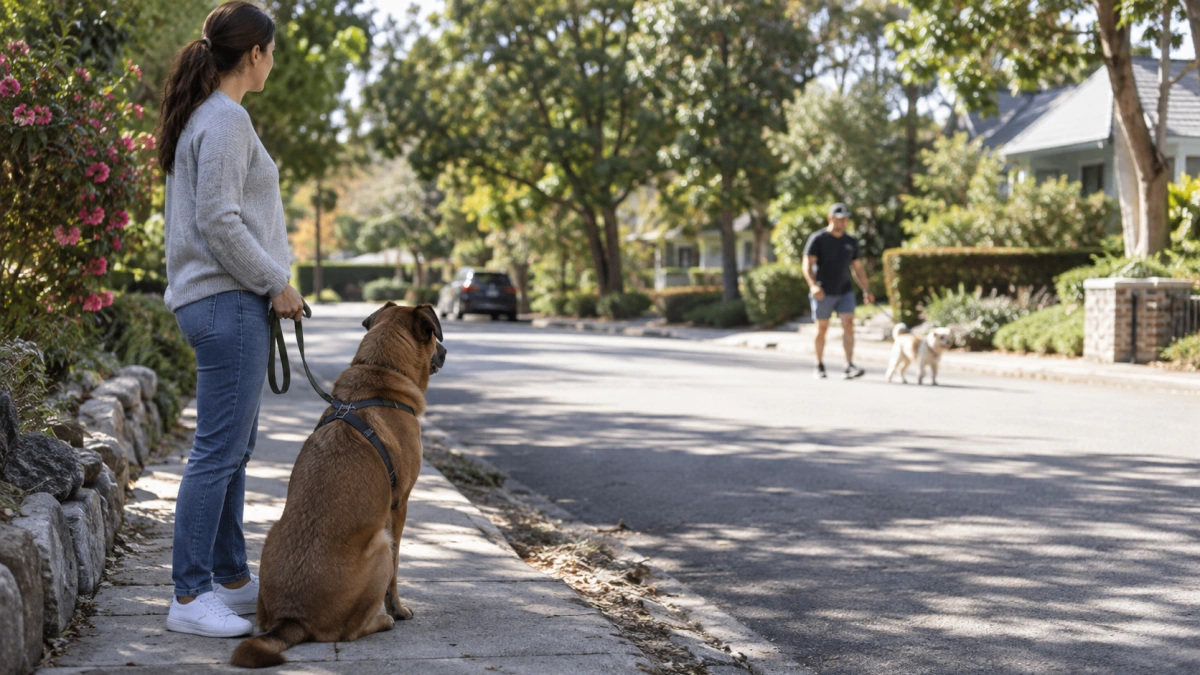
Ways to Help a Stressed Dog
Helping an anxious dog usually involves creating predictability, reducing unnecessary stress, and building confidence gradually.
Helpful approaches include:
- Create a consistent daily routine
- Provide a comfortable resting area
- Offer appropriate mental stimulation
- Use calm communication
- Introduce changes gradually
- Reward relaxed behavior
- Avoid forcing stressful interactions
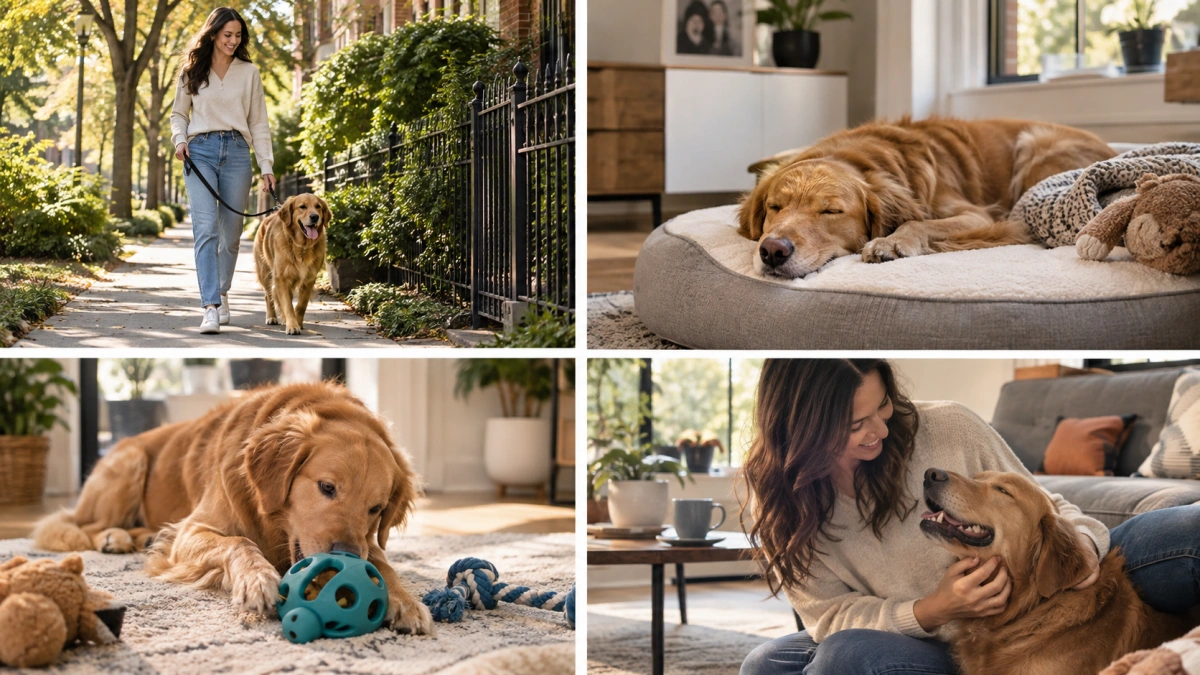
Building Confidence in Anxious Dogs
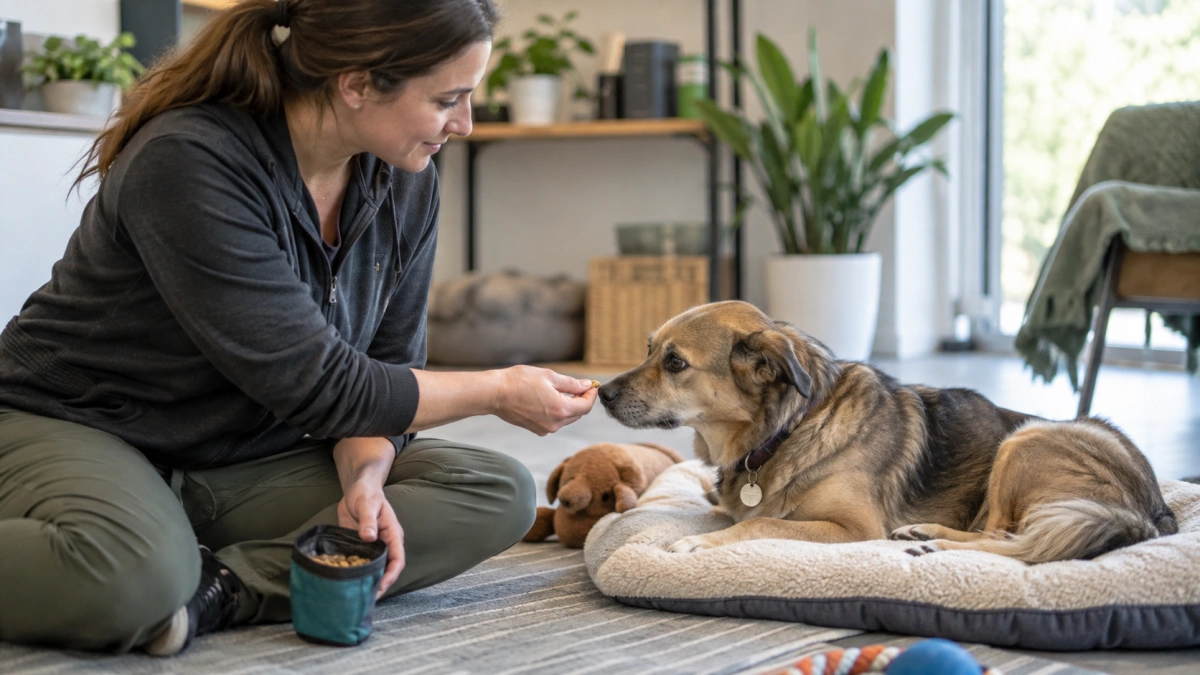
Confidence grows when dogs experience safe, positive interactions and learn that new situations can have good outcomes.
Owners can support confidence by:
- Keeping training sessions positive
- Allowing dogs to progress at their own pace
- Rewarding calm choices
- Providing predictable experiences
- Recognizing small improvements
Different Types of Dog Anxiety
Dog anxiety can appear in different situations. Some dogs experience general anxiety, while others react strongly to specific triggers.
| Type | Common Situation |
|---|---|
| General anxiety | Stress responses across different situations |
| Situational anxiety | Triggered by specific events or environments |
| Separation-related anxiety | Occurs when separated from familiar people |

When to Seek Additional Support
Some anxiety behaviors may require extra guidance, especially when they significantly affect daily life or become stronger over time.
Owners should pay attention to:
- Major changes in normal behavior
- Persistent inability to relax
- Severe reactions to common situations
- Behavior changes that appear suddenly
Final Thoughts
Dog anxiety is often a communication signal showing that a dog is struggling with a situation, environment, or emotional challenge.
By recognizing stress signals, understanding possible causes, and creating supportive routines, owners can help dogs feel safer and more confident.
The goal is not to eliminate every moment of stress, but to help dogs develop better coping skills and stronger trust with their owners.