By A CUTE PET STORY
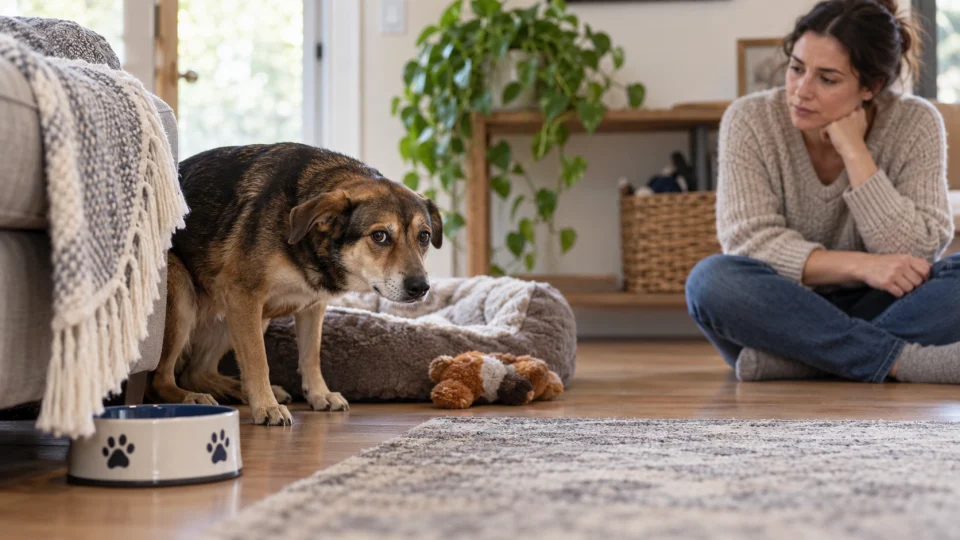
Dog behavior changes around 2 years old can feel surprisingly noticeable. A dog that once acted like an energetic puppy may become more independent, more selective around other dogs, easier to settle, or occasionally less reliable with training.
There is no switch that flips on a dog’s second birthday. Behavior develops gradually, and the timing varies with breed, size, temperament, learning history, health, and environment.
Some changes may reflect normal maturation, while sudden or severe changes deserve closer attention. The key is to compare the dog’s new behavior with its previous baseline instead of assuming that every difference is simply caused by age.
For more guides about unusual or difficult behavior, visit our Dog Behavior Problems topic hub.
Do Dogs Change at 2 Years Old?
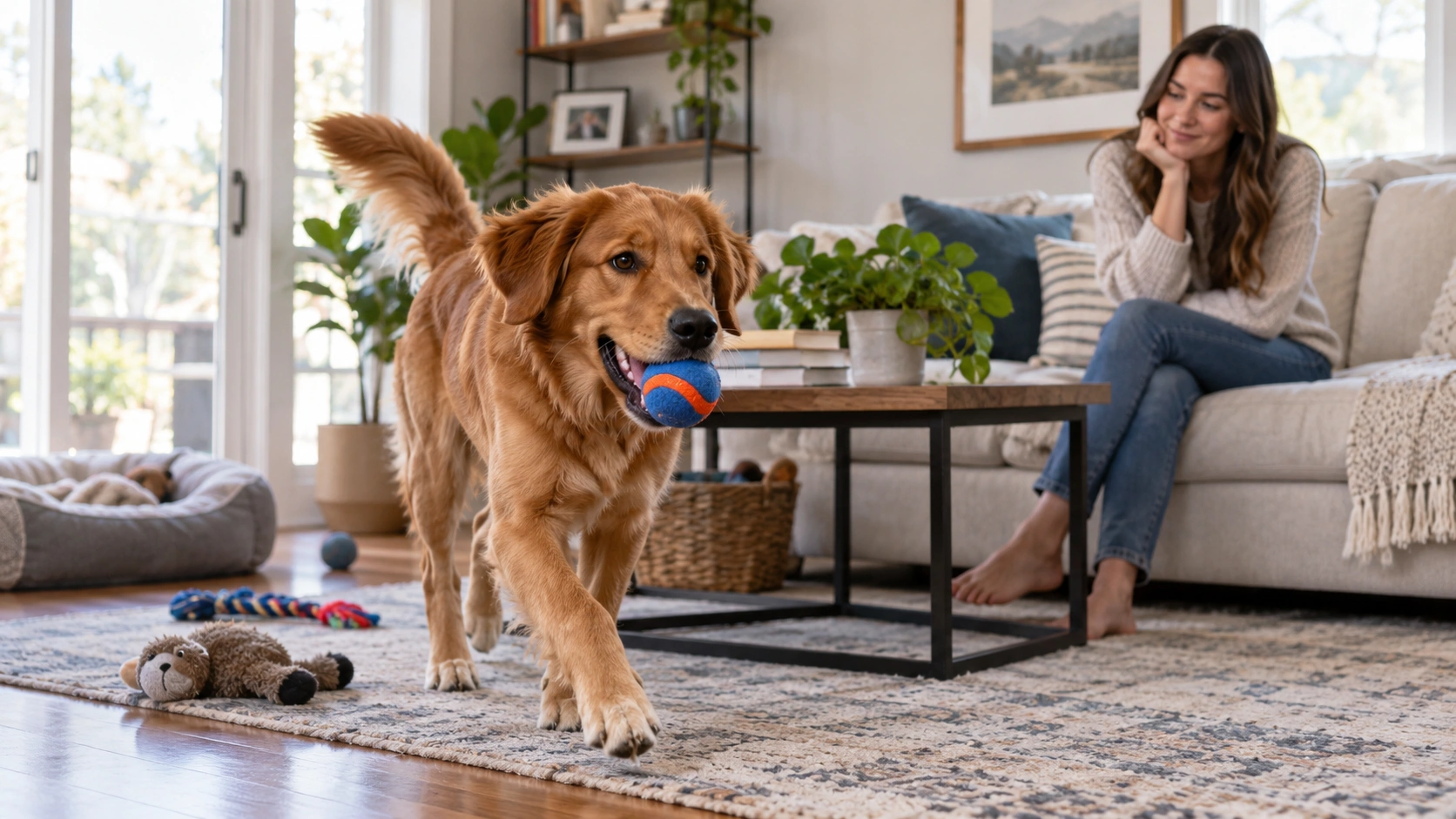
Many dogs are moving from adolescence toward young adulthood around this stage, but the process is gradual. Some mature earlier, while others continue showing adolescent behavior beyond age two.
Owners may notice changes in:
- Energy and ability to settle
- Independence
- Attention during training
- Interest in unfamiliar dogs
- Response to social situations
- Confidence in familiar environments
- Preferences for play, rest, and interaction
These changes do not necessarily mean the dog’s personality has been replaced. They may reflect increasing maturity and new behavioral preferences.
There Is No “Two-Year Personality Switch”
A common concern is that a friendly dog will suddenly become aggressive or completely different at age two. That is too simple.
Dogs do not reach a fixed birthday and automatically change temperament. Instead, behavior develops over time as physical maturity, social experience, training, environment, and individual temperament interact.
A change that happens near age two may be related to maturation, but the timing alone does not prove the cause.
Common Behavior Changes Owners May Notice
Young adult dogs often look more settled than puppies, but they may also become more independent and develop stronger preferences.
| Possible Change | What Owners May Notice |
|---|---|
| More independence | The dog may spend more time exploring or resting without constant interaction |
| Better ability to settle | Less nonstop puppy activity and easier relaxation at home |
| Changing social preferences | The dog may become more selective about which dogs it wants to interact with |
| Greater environmental awareness | The dog may pay more attention to people, animals, sounds, or territory |
| Temporary training inconsistency | Previously learned cues may become harder in distracting environments |
Why Training Can Feel Less Reliable
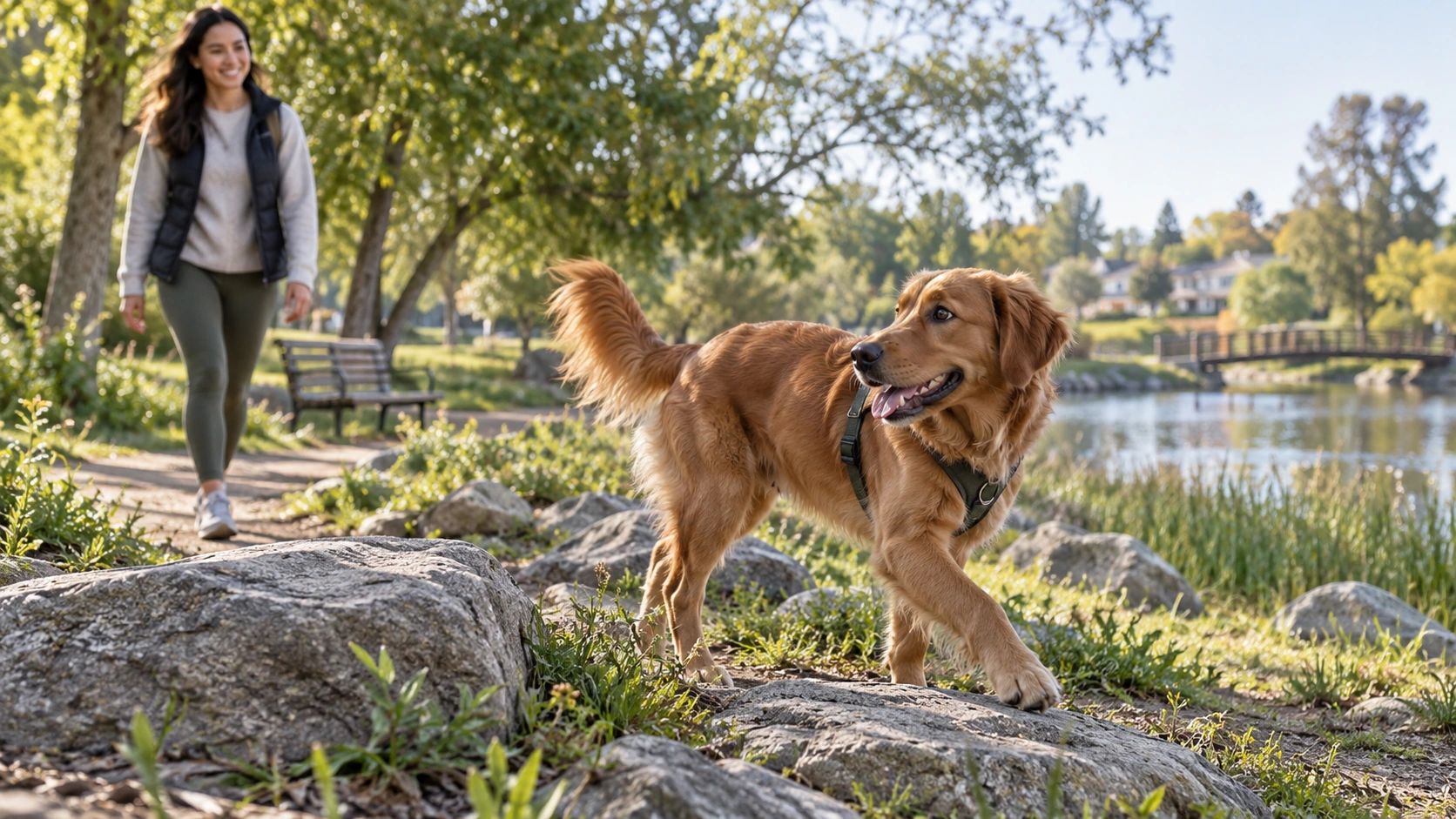
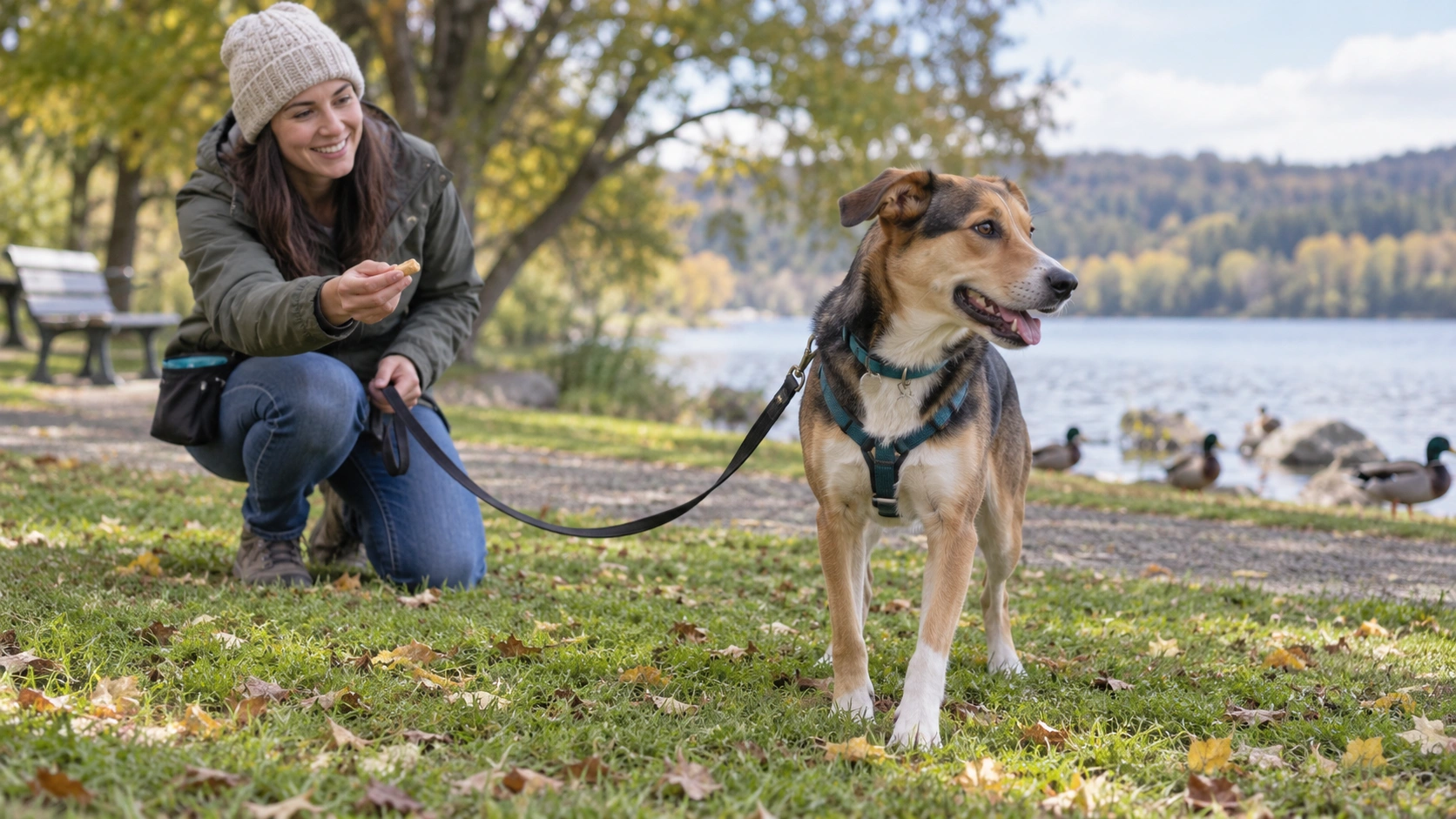
Some owners describe a young dog as suddenly “forgetting” its training. In many cases, the dog has not forgotten the cue. The problem is that distractions, motivation, excitement, or environmental difficulty have changed.
A dog that responds perfectly in the kitchen may struggle with the same cue around squirrels, unfamiliar dogs, visitors, or exciting smells.
Instead of assuming the dog is being stubborn, make the task easier again:
- Practice in lower-distraction environments
- Use rewards the dog values
- Keep sessions short
- Increase distractions gradually
- Reward successful check-ins and calm behavior
- Avoid repeatedly giving cues the dog is currently unable to follow
Social Behavior May Change as Dogs Mature
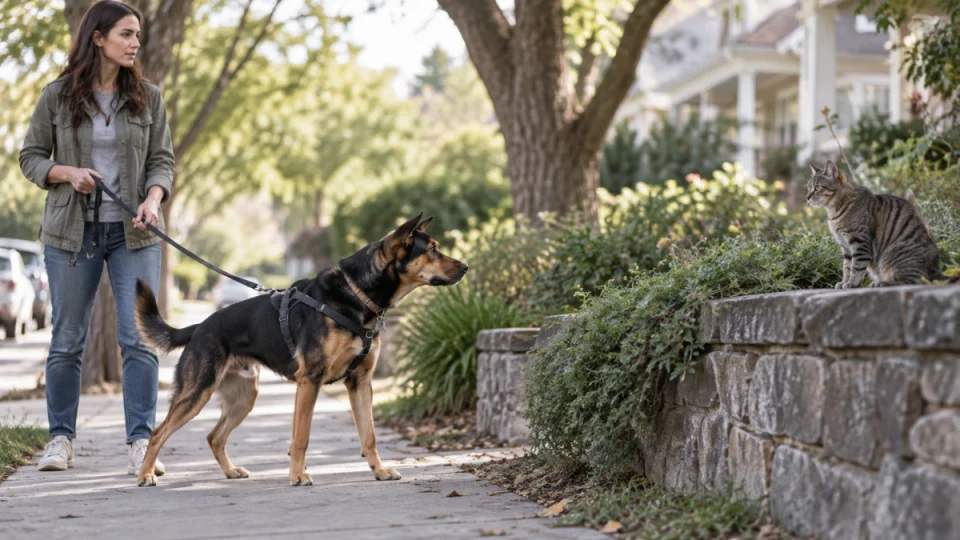
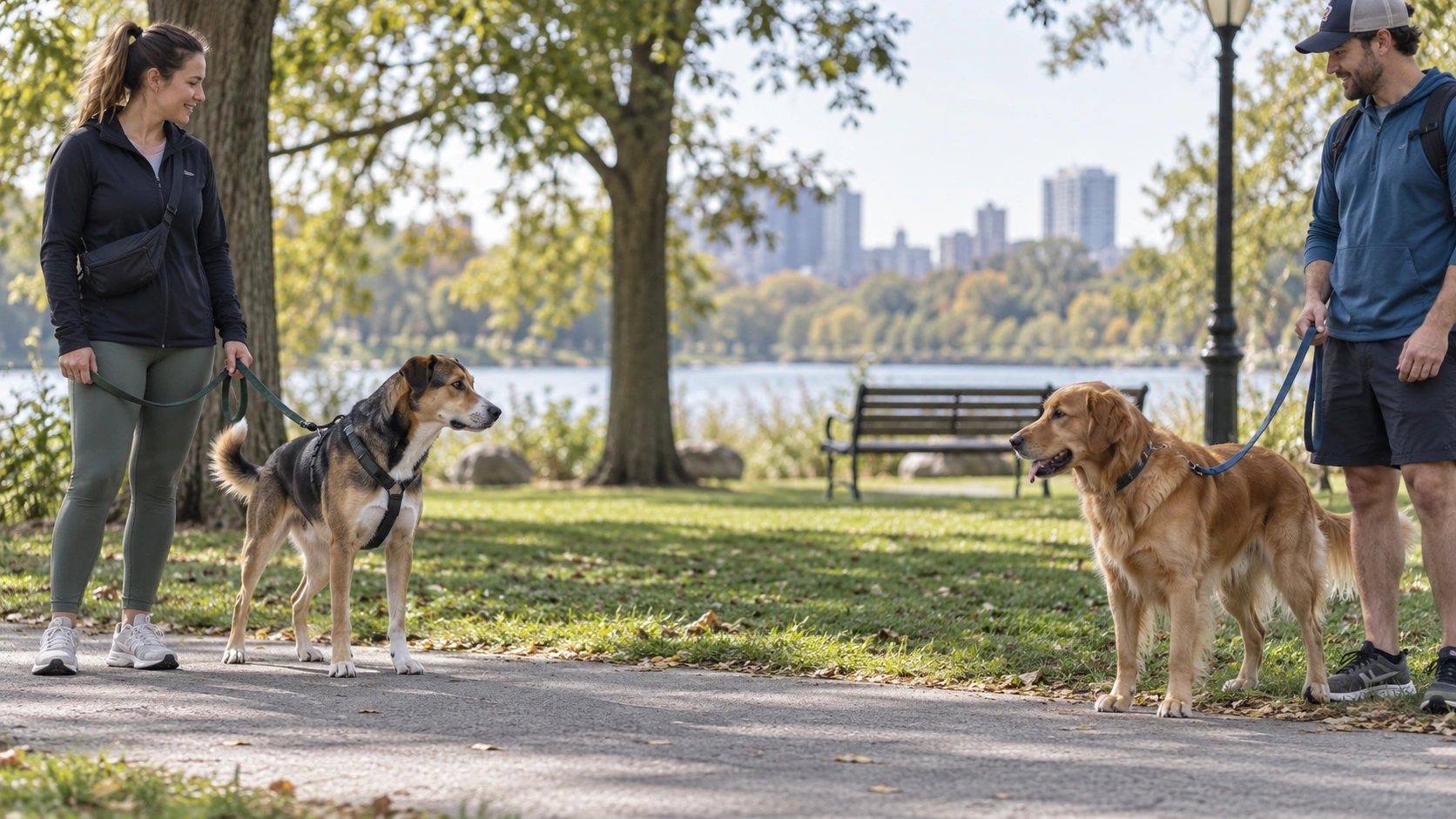
Puppies and adolescent dogs often appear eager to interact with many dogs. Some become more socially selective as they mature.
A young adult dog may prefer:
- A few familiar canine companions
- Shorter interactions
- Walking near another dog instead of wrestling
- More personal space
- Avoiding unfamiliar or overly energetic dogs
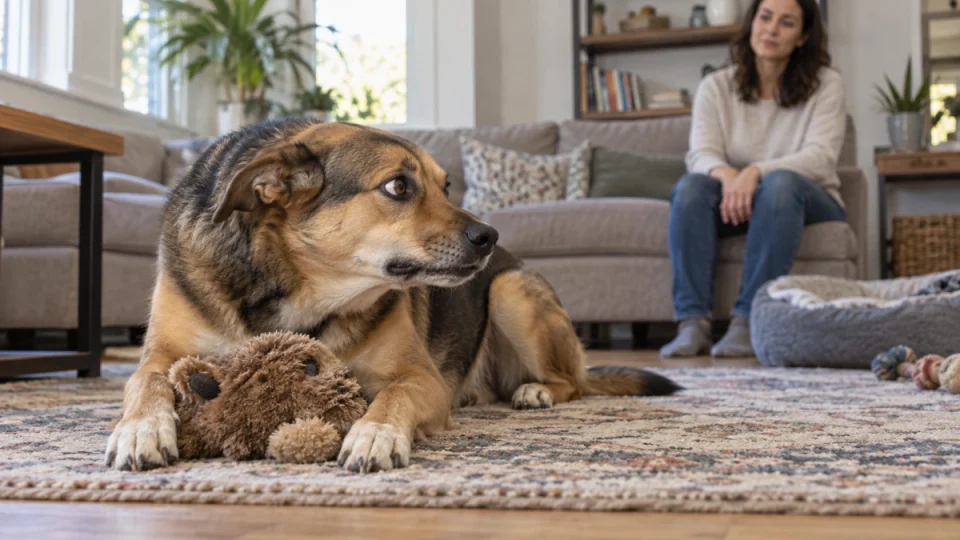
Social selectivity does not automatically mean aggression. A dog does not need to greet or play with every dog it encounters in order to have healthy social behavior.
Watch for body language such as turning away, stiffening, attempting to leave, hiding behind the owner, prolonged staring, growling, or lunging. These signals tell you more than age alone.
Can a 2-Year-Old Dog Become More Territorial or Protective?
Some owners notice increased alert barking, stronger reactions to visitors, or greater interest in the home environment as a dog matures.
However, behavior such as charging visitors, repeated lunging, escalating growling, or biting should not simply be dismissed as normal adulthood.
The useful questions are:
- What triggers the behavior?
- How intense is the response?
- Can the dog disengage?
- Is the behavior getting more frequent?
- Has anything changed in the environment?
- Could pain or discomfort be involved?
Normal Maturity vs Concerning Behavior Changes
The difference between normal development and a behavior problem is often found in intensity, suddenness, context, and effect on everyday life.
| May Fit Normal Maturation | Deserves More Attention |
|---|---|
| Gradually becoming calmer at home | Sudden lethargy or major loss of interest |
| Becoming somewhat more independent | Sudden withdrawal from familiar people |
| Preferring fewer canine playmates | Rapidly escalating aggression toward dogs |
| More awareness of visitors or sounds | Repeated threatening behavior that is difficult to interrupt |
| Occasional difficulty with cues around distractions | Sudden confusion or inability to perform familiar routines |
| Changing play preferences | Defensive reactions when touched or handled |
What If My 2-Year-Old Dog Suddenly Becomes Aggressive?
A new growl, snap, lunge, or bite should be evaluated in context rather than automatically blamed on maturity.
Possible contributors can include fear, frustration, social conflict, resource guarding, environmental changes, pain, or other physical discomfort.
If the behavior involves a recently adopted dog, our guide to aggressive behavior in a rescue dog explains warning signs, triggers, safety management, and when professional help may be needed.
Do not intentionally recreate an aggressive incident to test whether the dog will do it again. Use distance and management while you work out what changed.
What Owners Can Do
Most young adult dogs still benefit from the same foundations that helped them during adolescence: predictable routines, appropriate exercise, mental enrichment, rest, and consistent reward-based training.
Keep Daily Routines Predictable
Regular walks, meals, rest, training, and quiet time can make daily life easier to understand.
Continue Training
Reinforce familiar behaviors rather than assuming training is finished because the dog is now an adult.
Respect Changing Social Preferences
Do not force greetings or dog-park interactions simply because the dog enjoyed them as a younger puppy.
Provide Mental Enrichment
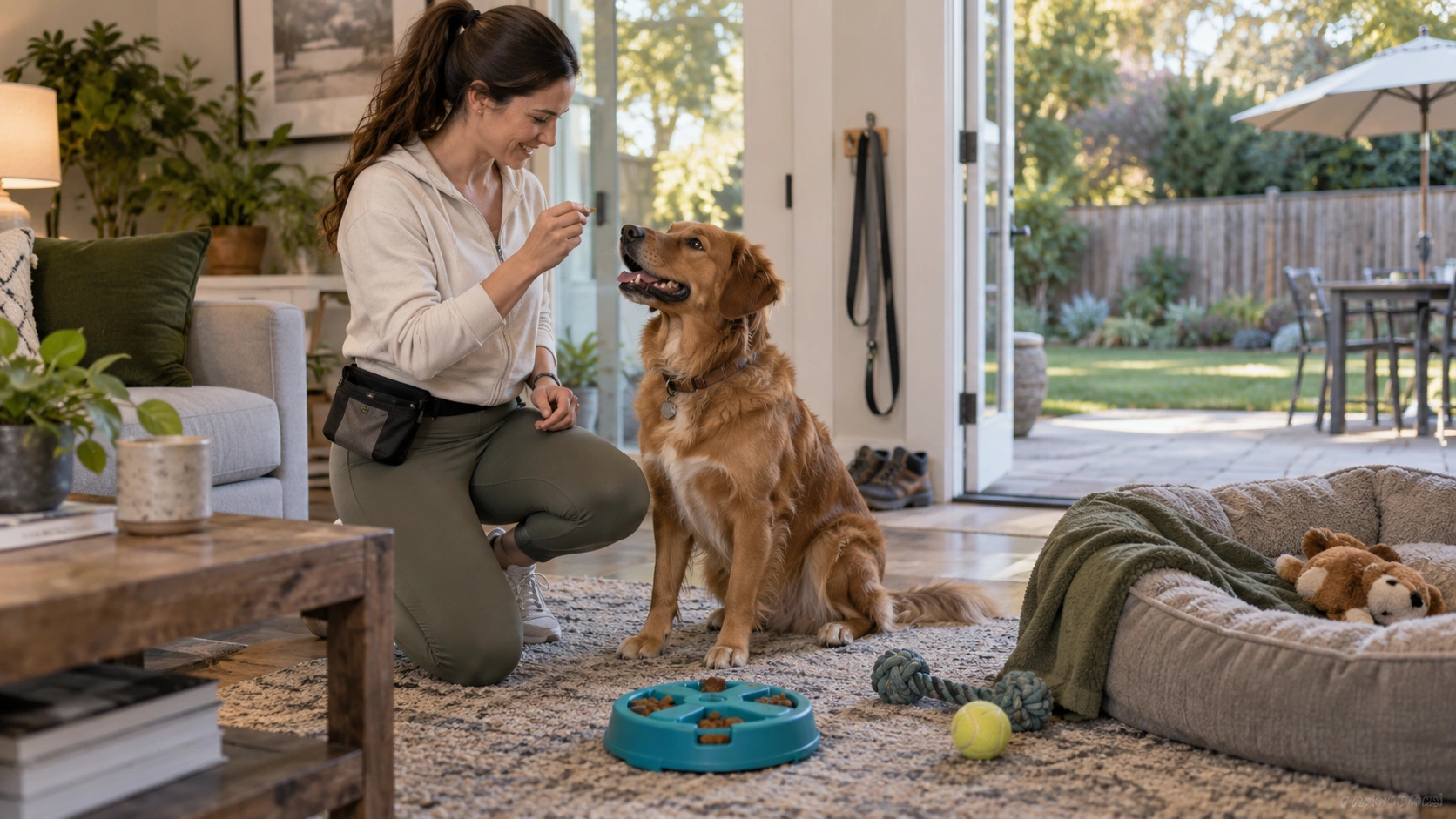
Food puzzles, sniffing activities, appropriate chewing, training games, and exploration can provide productive outlets for young adult dogs.
Watch Patterns Instead of Single Moments
One distracted walk or one unusual evening does not define a dog’s behavior. Repeated patterns are more informative.
Keep a Simple Behavior Log
If you are unsure whether a change is temporary or becoming a pattern, record it for several days.
| What to Record | Example |
|---|---|
| Behavior | Barking and stiffening at another dog |
| Trigger | Unfamiliar dog approaching on leash |
| Distance | About half a block away |
| Duration | Approximately 20 seconds |
| Recovery | Relaxed after moving farther away |
| Other changes | Normal appetite, sleep, and activity |
This record can help owners see whether a behavior is becoming more frequent, more intense, or connected to specific circumstances.
When a Behavior Change Needs More Attention
Sudden changes should not automatically be explained by age. Behavior can also change when a dog is uncomfortable, in pain, ill, frightened, or dealing with a major environmental change.
Contact a veterinarian if a new behavior change is sudden, severe, or appears together with:
- Reduced appetite
- Limping or difficulty moving
- Reluctance to be touched
- Changes in sleep
- Unusual fatigue
- House-training changes
- Confusion or disorientation
- Other major changes in normal behavior
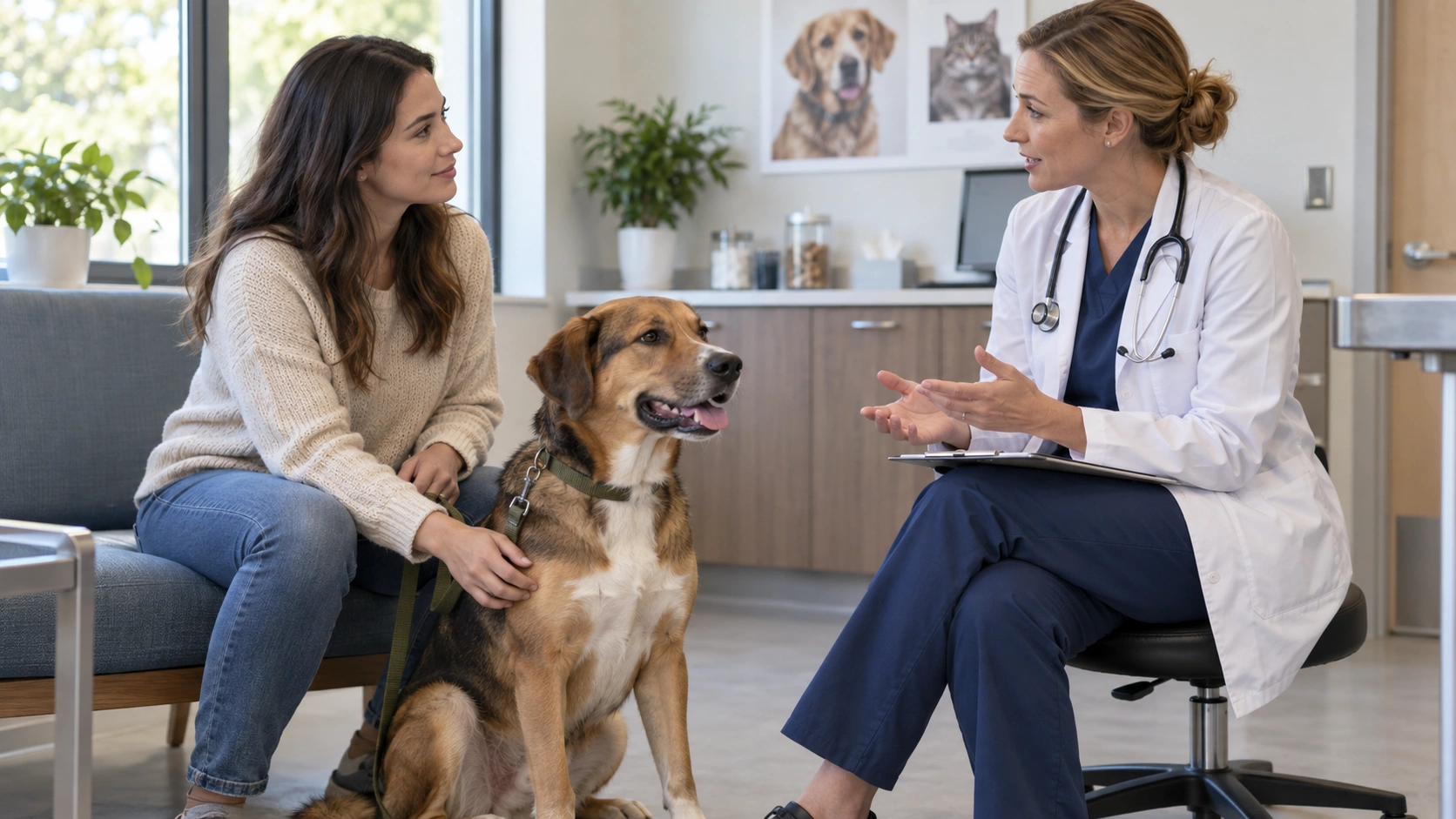
A veterinary evaluation can help determine whether physical discomfort or another medical issue may be contributing.
Qualified behavior support is also appropriate when fear, aggression, guarding, or reactivity is increasing or creating a safety problem.
Final Thoughts
Dogs can change as they approach young adulthood, but turning two does not automatically transform a dog’s personality.
A little more independence, changing social preferences, better ability to settle, or temporary training inconsistency may fit normal maturation. Sudden aggression, withdrawal, confusion, pain-related defensiveness, or other major changes deserve closer attention.
Look at the whole dog: behavior, health, environment, routine, triggers, and how quickly the change appeared. That provides a much better explanation than age alone.