By A CUTE PET STORY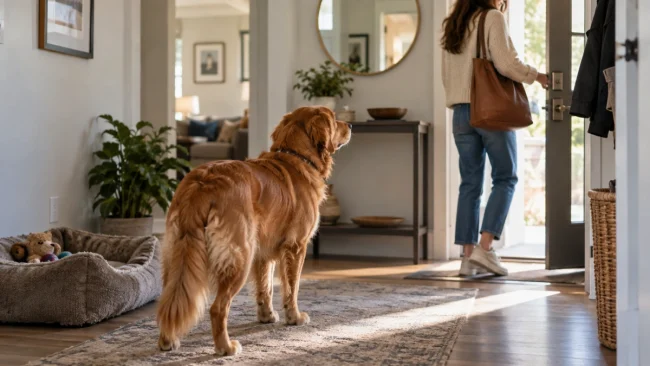
Separation anxiety in dogs is a behavior problem that occurs when a dog experiences significant stress or difficulty when separated from familiar people. Some dogs may struggle when left alone, even for short periods.
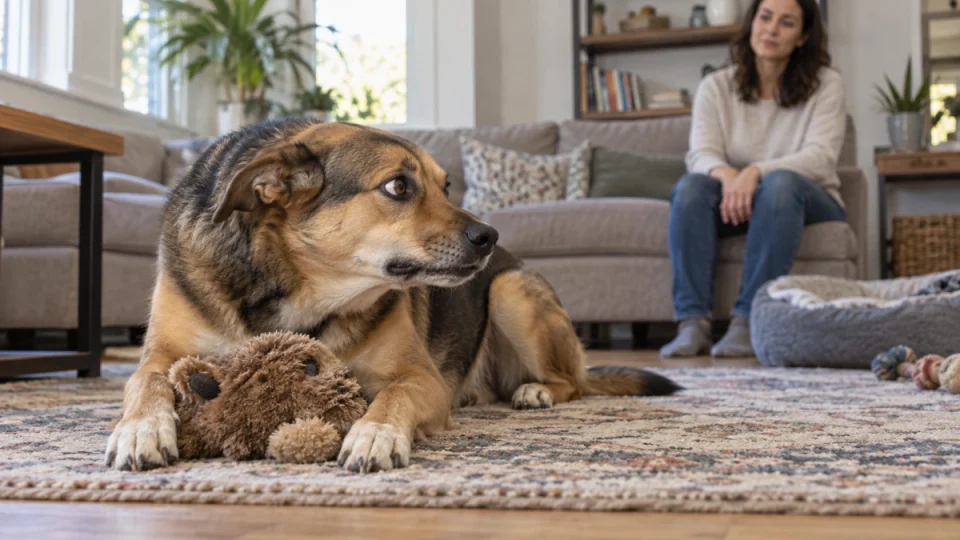
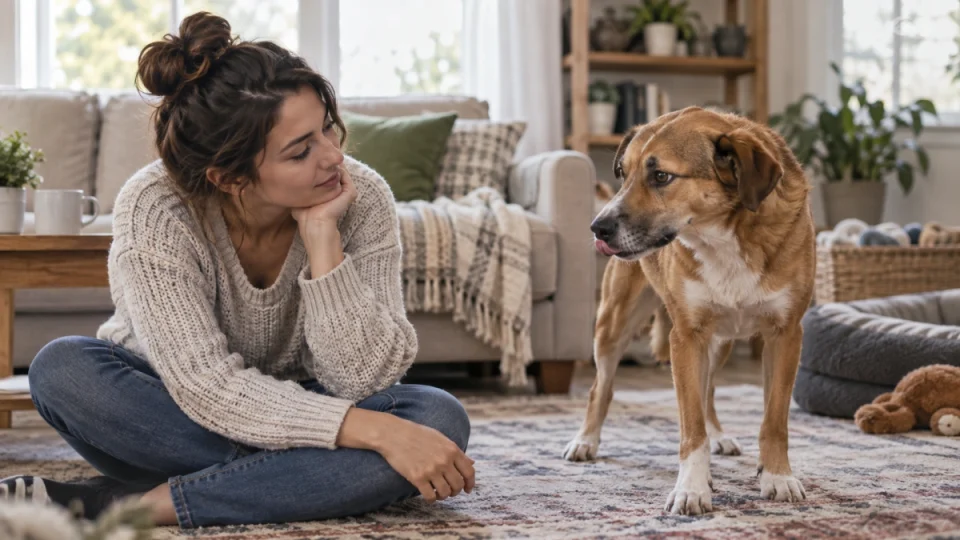
Many owners notice behaviors such as barking, whining, pacing, destructive actions, or waiting near doors after leaving home. These behaviors are not simply signs of disobedience. They may reflect emotional stress and difficulty coping with being alone.
Understanding the signs, causes, and management strategies can help owners create a calmer experience for their dogs.
This guide explains how separation anxiety appears, why some dogs develop it, how it differs from normal alone time, and ways to support better independence.
Separation anxiety is one type of emotional challenge dogs may experience. Learn more about broader dog anxiety behavior and common stress signals.
Explore more behavior-related guides in our Dog Behavior Problems topic hub.
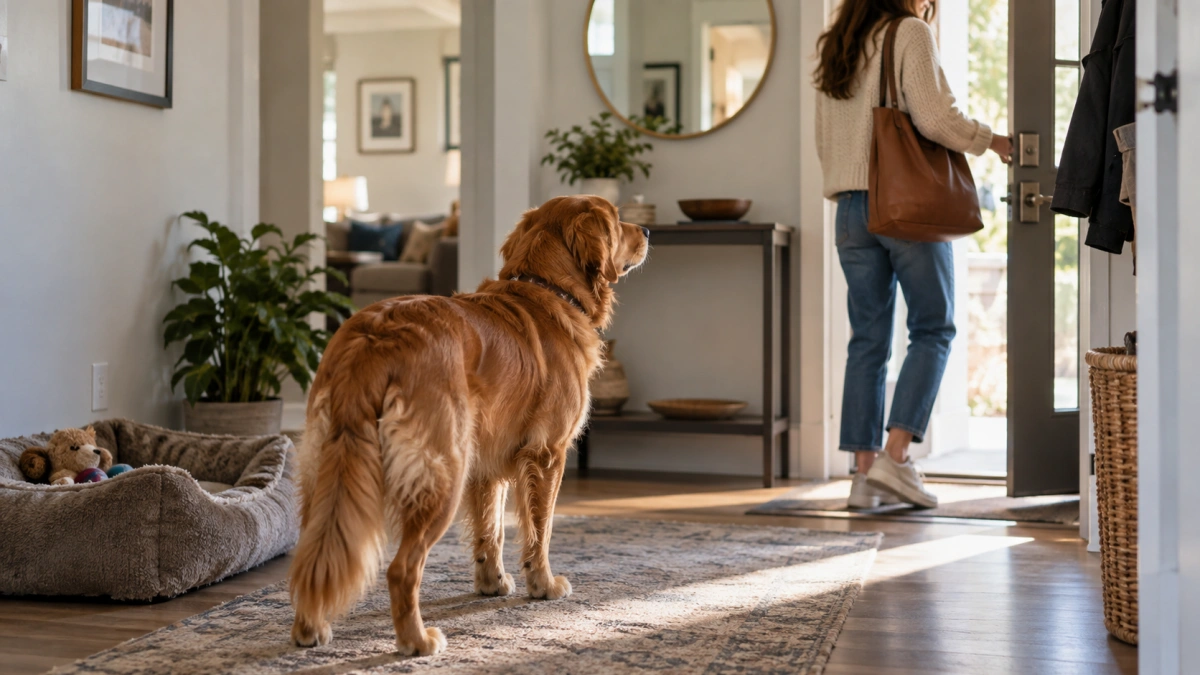
What Is Separation Anxiety in Dogs?
Separation anxiety is a behavior response where a dog experiences distress when separated from a familiar person or when left alone.
Dogs are social animals, and many enjoy being close to their owners. However, some dogs have difficulty adjusting to periods of separation and may show strong emotional responses.
Common situations that may trigger separation-related stress include:
- Owner leaving the home
- Long periods alone
- Changes in daily schedules
- Moving to a new environment
- Changes in family routines
Signs of Separation Anxiety in Dogs
Dogs may show different signs depending on their personality and situation. Common behaviors include:
| Behavior | Possible Meaning |
|---|---|
| Excessive barking or whining | Difficulty coping with being alone |
| Pacing or restlessness | Unable to settle after separation |
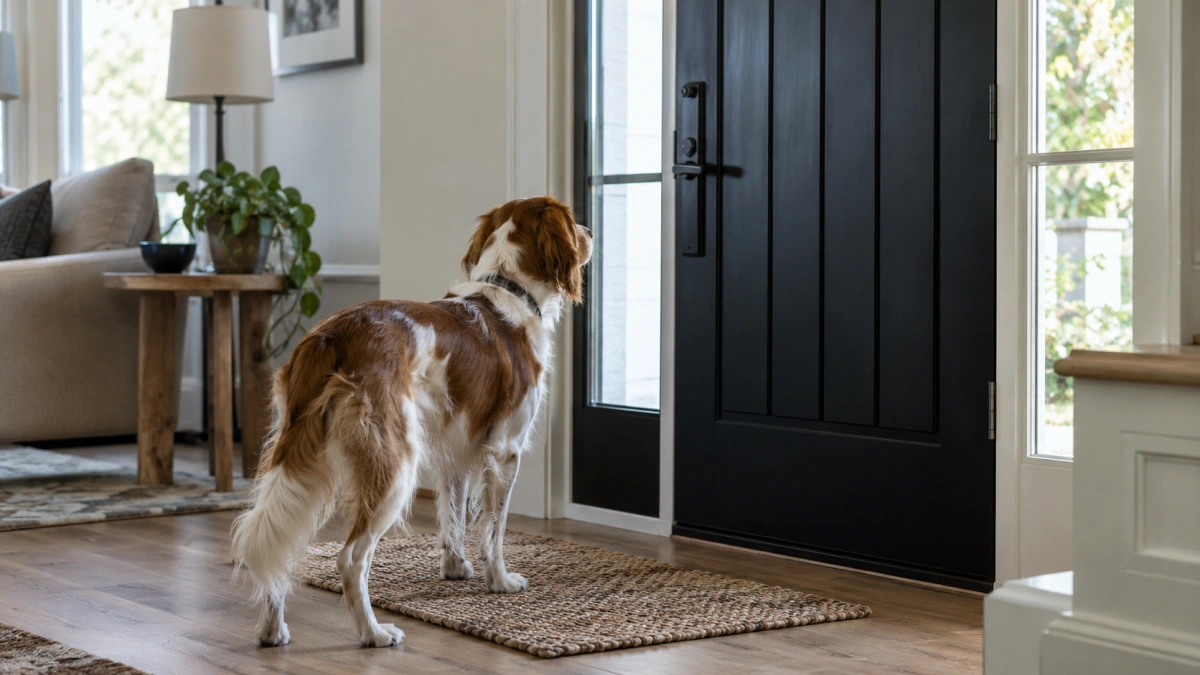
| Waiting near doors | Searching for the owner or expecting return |
| Destructive behavior | Possible stress response when alone |
| Escape attempts | Trying to reach familiar people or areas |
What Happens When Dogs Are Left Alone?
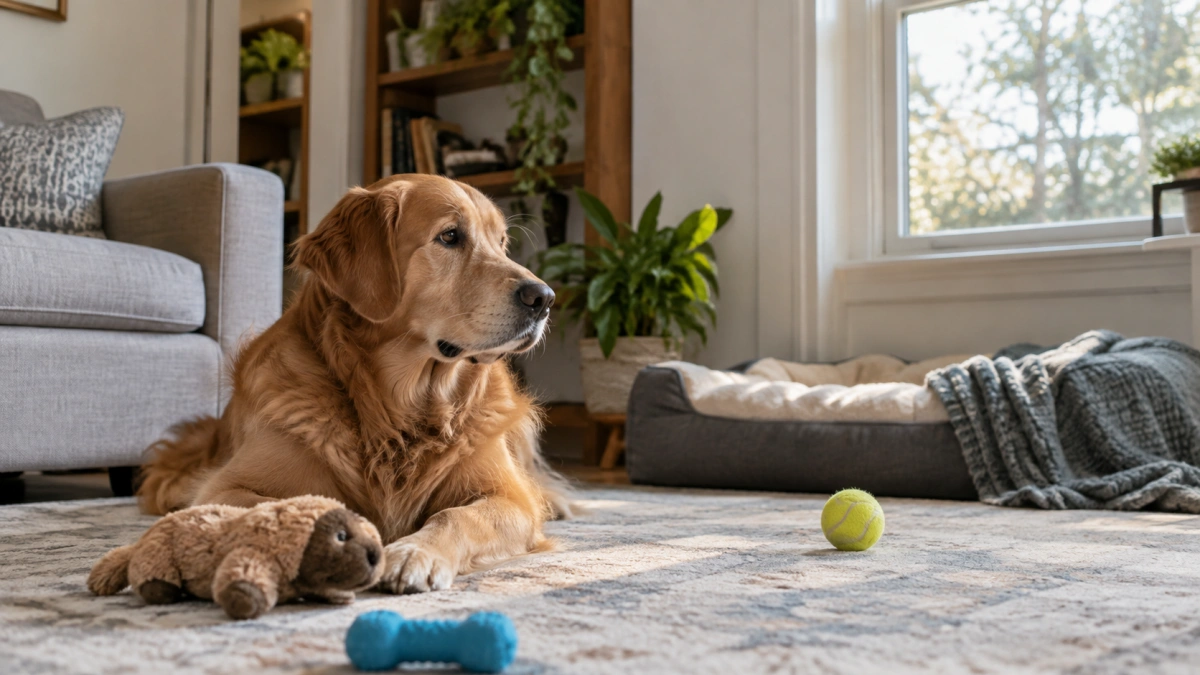
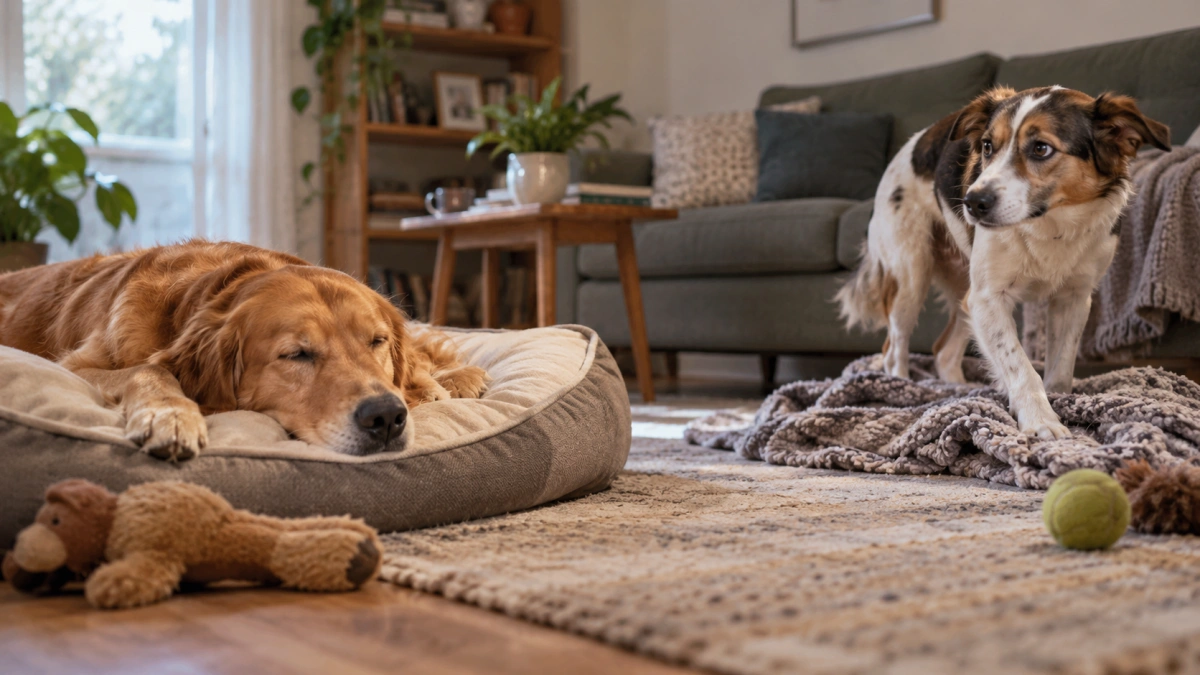
Dogs respond differently to being alone. Some dogs relax, sleep, or play independently, while others experience difficulty adjusting.
| Behavior Pattern | Possible Situation |
|---|---|
| Sleeping or relaxing | Dog feels comfortable being alone |
| Playing with toys | Dog can self-entertain |
| Constant movement | Dog may struggle to settle |
| Repeated vocalization | Dog may be experiencing stress |
Why Do Dogs Develop Separation Anxiety?
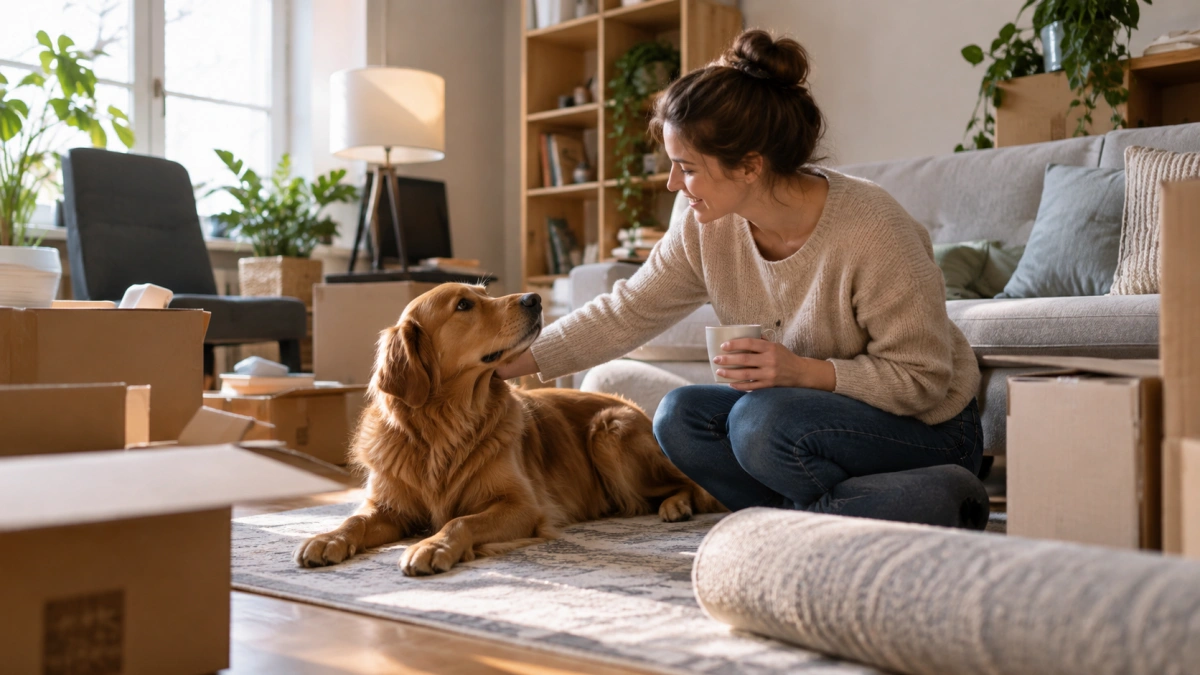
There is no single reason why a dog develops separation anxiety. Different experiences and situations may contribute to how a dog responds to being alone.
| Possible Factor | How It May Influence Behavior |
|---|---|
| Routine changes | Dog may struggle with unfamiliar schedules |
| Moving or environmental changes | New surroundings may create uncertainty |
| Limited independence practice | Dog may rely heavily on constant interaction |
| Previous stressful experiences | Past events may affect future reactions |
Normal Alone Time vs Separation Anxiety
Not every dog that dislikes being alone has separation anxiety. The difference is usually related to the intensity of the reaction and how much it affects daily life.
| Normal Alone Time | Possible Separation Anxiety |
|---|---|
| Dog settles after owner leaves | Dog remains highly distressed |
| Enjoys toys or resting | Cannot focus or relax |
| Temporary adjustment | Repeated stress responses |
| Returns to normal behavior | Behavior continues after separation |
How to Help a Dog With Separation Anxiety
Helping a dog with separation-related stress usually requires patience, consistency, and gradual improvement.
Helpful strategies include:
- Create predictable daily routines
- Practice short periods of independence
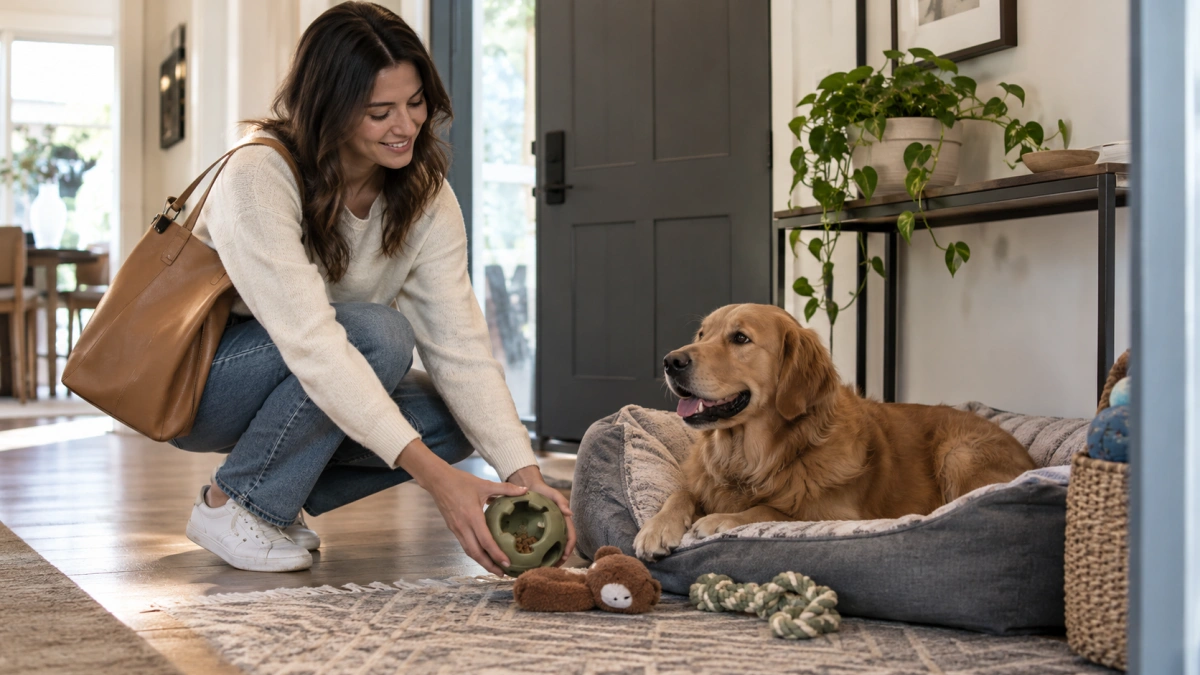
- Provide enrichment activities
- Create a comfortable resting area
- Keep departures and arrivals calm
- Reward relaxed behavior
The goal is to help the dog feel more confident while alone rather than forcing immediate changes.
Building Independence Step by Step
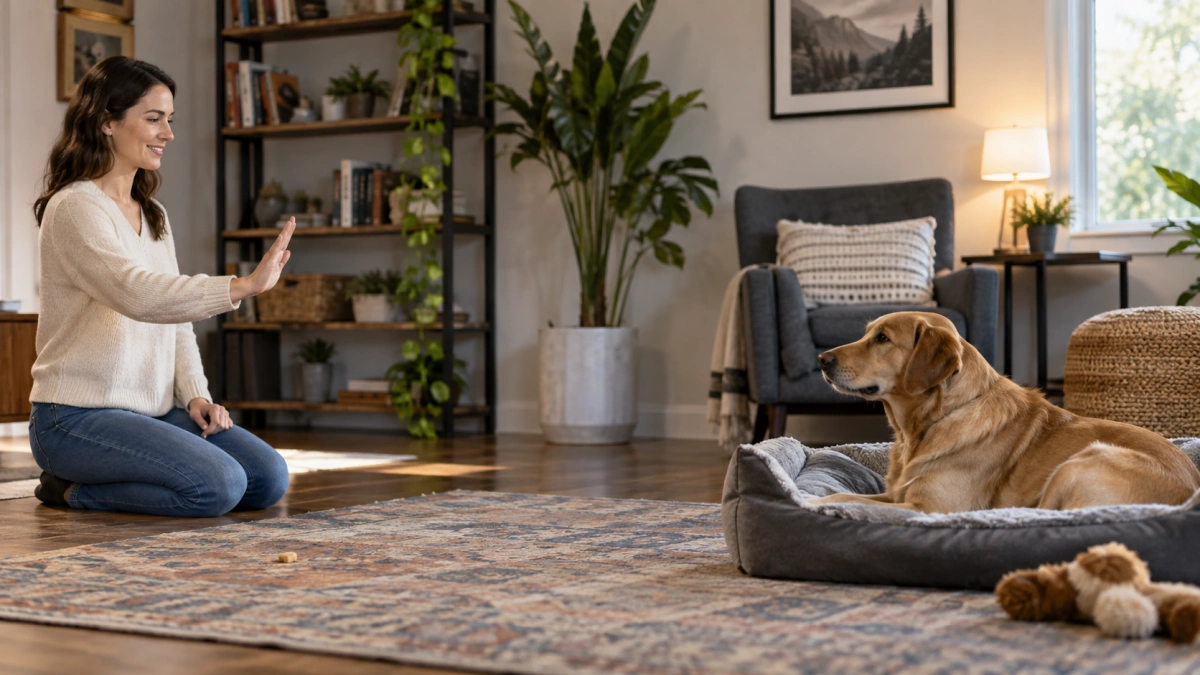
Dogs can learn independence through gradual experiences where being alone becomes a normal and safe part of daily life.
Owners can support this process by:
- Increasing alone time gradually
- Avoiding sudden long absences when possible
- Encouraging calm behavior
- Providing appropriate activities
- Maintaining consistent routines
Common Owner Mistakes
- Making departures overly emotional
- Returning immediately after every anxious behavior
- Changing routines frequently
- Expecting quick results
- Ignoring early stress signals
How Separation Anxiety Connects With General Anxiety
Separation anxiety focuses specifically on distress related to being away from familiar people. However, some dogs may also experience other forms of anxiety in different situations.
Understanding the difference helps owners identify whether the problem is related mainly to separation or part of a broader emotional pattern.
When to Seek Additional Support
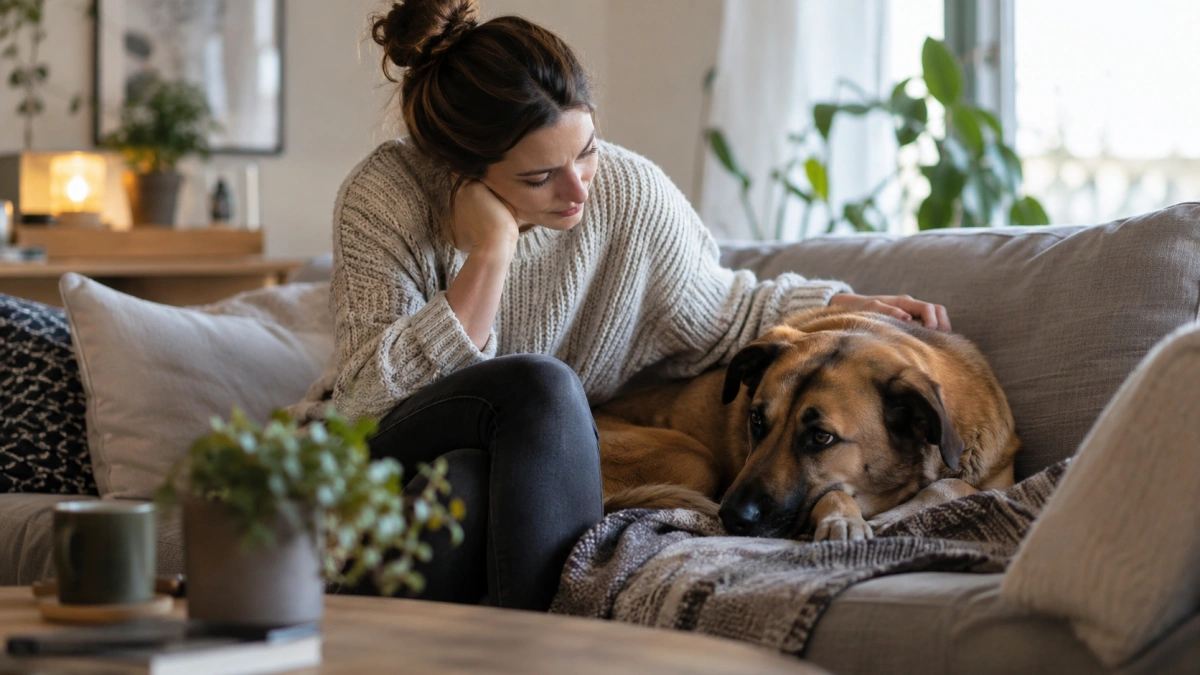
Some dogs may need additional guidance when anxiety strongly affects daily routines or creates safety concerns.
Owners should pay attention to:
- Severe distress during every separation
- Repeated attempts to escape
- Major changes in normal behavior
- Difficulty improving despite consistent support
Final Thoughts
Separation anxiety in dogs is not simply a training problem. It is a behavior response connected to how dogs experience being alone.
By recognizing signs early, building predictable routines, and helping dogs develop independence gradually, owners can support healthier emotional habits.
A calm and confident relationship grows through patience, understanding, and consistent support.