By
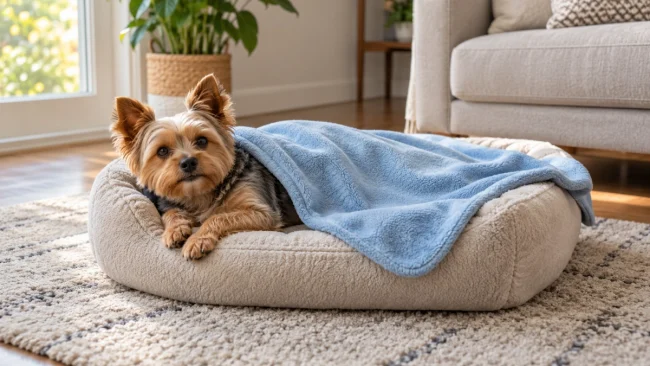
Dog blankets for small dogs need to balance warmth with scale. A toy-sized dog may appreciate a soft fleece surface in a cool room, but a blanket designed for a human bed can create far more fabric, weight, and insulation than a small dog actually needs.
Size labels such as Small, Mini, Puppy, or Toy are not enough on their own. The right blanket depends on your dog’s real sleeping position, the bed, crate, couch, or carrier where the blanket will be used, and how much warmth your individual dog prefers.
Small dogs also vary considerably. A short-coated Chihuahua may seek more warmth than a fluffy Pomeranian of similar body weight. A miniature dachshund may need more blanket length than a compact dog because of its longer body.
For more guides about dog blanket sizes, materials, furniture use, and seasonal options, visit our Dog Blankets topic hub.
Quick Comparison: What Kind of Blanket Does a Small Dog Need?
| Situation | Useful Blanket Type | Main Priority | Watch For |
|---|---|---|---|
| Short-coated toy breed in a cool room | Light to medium fleece | Moderate insulation | Overheating if heavily layered |
| Fluffy small dog indoors | Light fleece or low-pile fabric | Comfort without excess warmth | Deep insulation may be unnecessary |
| Small dog that burrows | Soft lightweight fleece | Flexible nesting | Too much loose fabric |
| Heavy shedder | Smooth low-pile fabric | Easy hair cleanup | Deep plush trapping fur |
| Puppy | Simple washable blanket | Laundry and inspection | Chewing, accidents and loose threads |
| Small senior dog | Flat soft blanket over supportive bed | Warmth and easy access | Deep folds that make movement harder |
Do Small Dogs Need Blankets?
Not every small dog needs a blanket, but some small dogs benefit from an additional soft or warm resting surface in cooler conditions.
Small size can make cold conditions more challenging for some dogs, particularly when combined with:
- A short or single coat
- Very little body fat
- Hairless skin
- Young age
- Older age
- Cool indoor temperatures
However, breed size alone does not determine blanket needs.
A small double-coated dog may tolerate cool conditions differently from a similarly sized thin-coated dog.
The dog’s actual behavior is useful information.
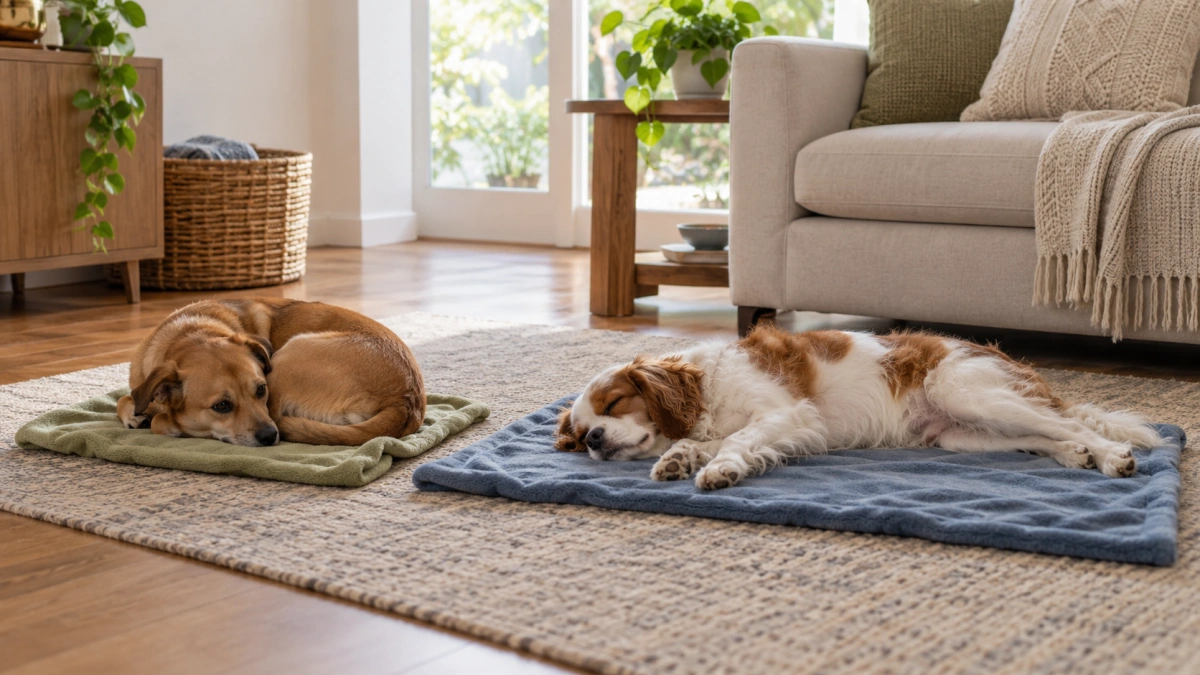
A dog that repeatedly seeks blankets, curls tightly, or chooses warm surfaces may appreciate more insulation, while a dog that pushes blankets away and moves to a cool floor may prefer less.
Small Does Not Mean the Smallest Blanket Available
A common mistake is selecting the smallest product simply because the dog is small.
The blanket still needs enough usable area for:
- The dog’s full body
- Normal leg position
- Turning around
- Changing sleeping position
- Light nesting if the dog enjoys it
A Chihuahua sleeping fully stretched may need more blanket length than expected.
Meanwhile, an oversized human throw may create far more fabric than a toy dog needs.
The goal is useful coverage, not minimum or maximum size.
Sleeping Style Matters More Than Weight Alone
Curled Sleepers
Small dogs that curl tightly occupy relatively little surface area.
A compact blanket may provide enough coverage on a small dog bed or chair.
Stretched Sleepers
Dogs that sleep on their sides with legs extended need more length and width.
Long-bodied dogs such as miniature dachshunds can require additional blanket length even when their body weight remains low.
Burrowers
Dogs that like to push their nose beneath fabric or rearrange a blanket may benefit from some additional lightweight material.
But avoid creating large piles of fabric around a tiny dog.
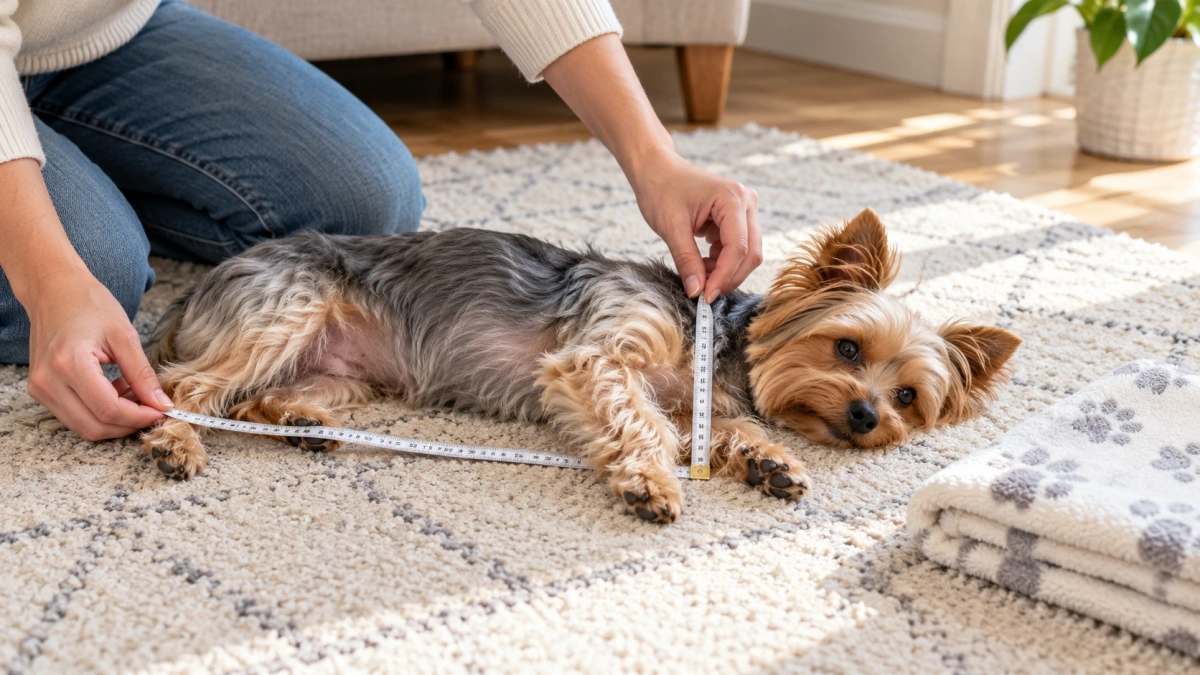
How to Measure a Small Dog for a Blanket
Measure the dog’s natural resting footprint instead of relying only on body weight or breed.
A practical approach is:
- Watch your dog sleep normally.
- Measure the approximate length of the fully stretched resting position.
- Include the normal position of the head and rear legs.
- Measure the widest area created by the body and legs.
- Add enough margin for comfortable repositioning.
Dog-bed sizing guidance commonly recommends measuring the dog while lying down rather than choosing only from breed or weight labels. The same principle provides a useful starting point for blanket selection.
You do not need to follow one fixed number of extra inches for every blanket because intended use changes the required margin.
Measure the Bed, Crate or Furniture Too
After measuring the dog, measure the surface.
A blanket may be used on:
- A small dog bed
- A crate
- A couch cushion
- A chair
- A human bed
- A car seat
- A carrier
The correct size depends on which area you want to cover.
For example, a blanket used to protect a full couch cushion may need to be larger than a blanket used only inside a compact dog bed.
Can a Small Dog Blanket Be Too Large?
Yes, particularly in confined spaces.
An oversized blanket can create:
- Deep folds
- Extra heat
- Fabric that blocks a small bed entrance
- More material for puppies to chew
- Bunching inside a crate or carrier
PetMD recommends that pet blankets be lightweight, breathable, and not too large for the space in which they are used.
That does not mean the blanket must fit tightly around the dog. It means the amount of loose fabric should remain appropriate for the environment.
Which Material Is Best for Small Dogs?
There is no single material that is best for every small dog.
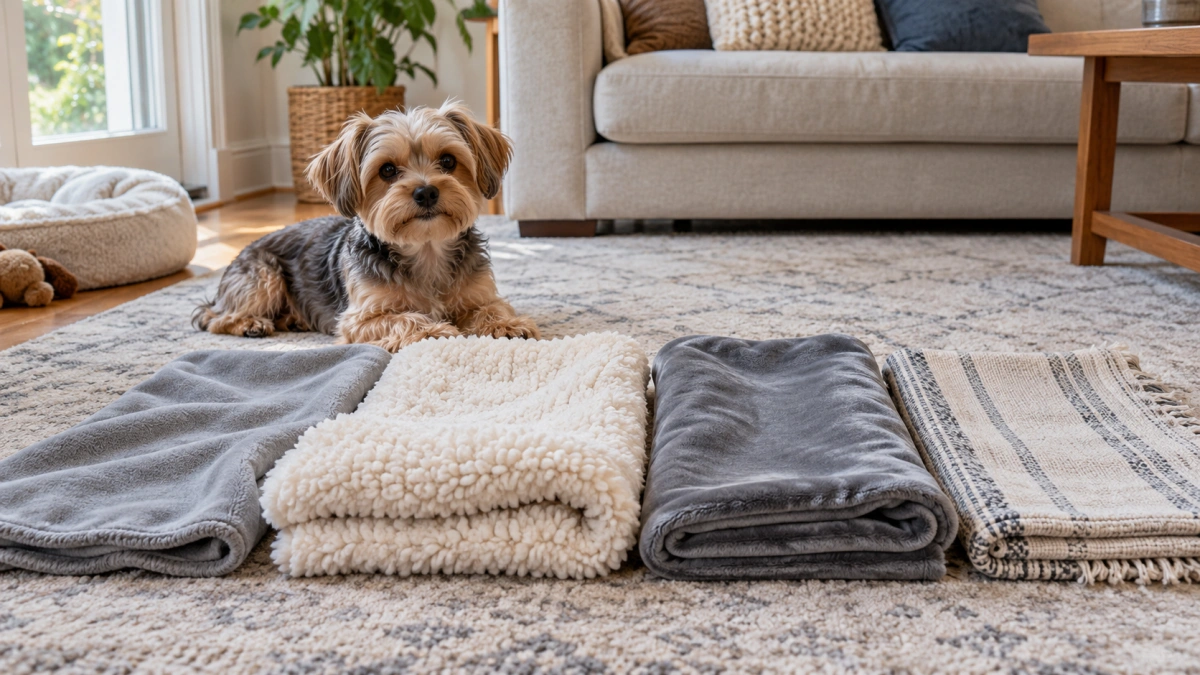
Short Fleece
Short fleece is one of the most versatile options because it provides moderate warmth while remaining relatively lightweight and easy to wash.
Sherpa
Sherpa provides more loft and insulation.
It may suit short-coated dogs in cool conditions, but it can be unnecessarily warm for fluffy dogs or warm rooms.
Low-Pile Microfiber
A smoother low-pile surface can be useful when you want:
- Less bulk
- Easy dog-hair cleanup
- Faster drying
- Less insulation
Plush
Plush provides deeper softness and can suit dogs that strongly prefer a cushioned nesting texture.
The trade-off is more hair retention and slower drying.
Cotton or Cotton Blends
Flat cotton or blended textiles can work well as lighter bedding in mild indoor conditions.
The exact performance depends on weave, thickness, and construction.
Do Small Dogs Get Cold More Easily?
Some do.
Small dogs, hairless dogs, and dogs with thin or single coats can be more vulnerable to cold conditions than larger dogs with substantial insulating coats.
This is particularly relevant for toy and small breeds such as:
- Chihuahuas
- Maltese
- Miniature Poodles
- Chinese Crested dogs
- Other small or lightly coated dogs
However, do not turn this into a rule that every small dog should always be wrapped in thick fleece.
Indoor temperature, coat, age, health, activity, and individual preference all matter.
Do Small Dogs Always Need Warm Blankets?
No.
A warm blanket is useful only when the dog wants or needs the extra insulation.
Watch what your dog does.
More warmth may be appropriate when the dog:
- Consistently seeks fleece
- Curls tightly in cool rooms
- Burrows beneath light bedding
- Chooses warm resting areas
Less warmth may be appropriate when the dog:
- Pushes the blanket away
- Leaves the bed for tile or another cool surface
- Pants while resting
- Changes location after being covered
Always provide an uncovered resting option.
Short-Coated Toy Breeds
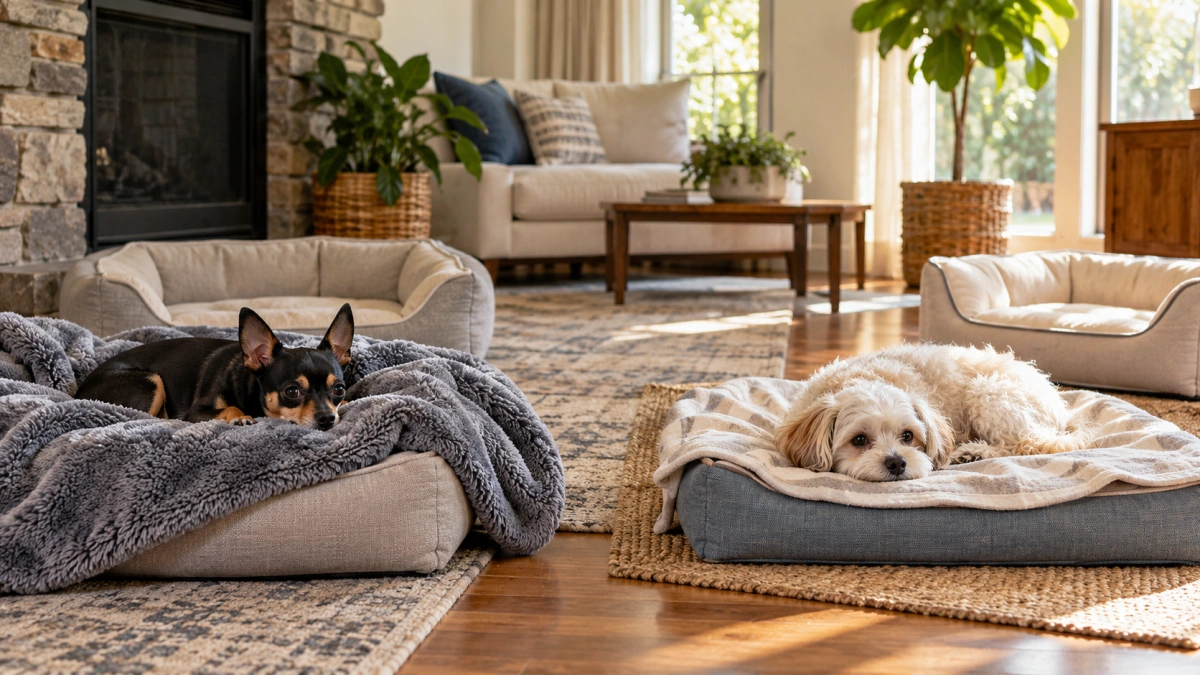
Short-coated toy breeds may appreciate more insulation in cool indoor environments because their coats provide less protection than dense double coats.
A light to medium fleece blanket can be a practical starting point.
Avoid immediately choosing the thickest sherpa or heated product available.
Start with passive insulation and observe whether the dog actually uses it.
Long-Haired and Double-Coated Small Dogs
A small body does not automatically mean poor insulation.
A Pomeranian or another densely coated small dog may need less blanket warmth than a smooth-coated dog of similar weight.
For these dogs, lighter fleece, microfiber, or another lower-loft surface may be enough in a temperature-controlled home.
What About Chihuahuas?
Chihuahuas are frequently associated with warm bedding because of their small size and relatively light coat in many individuals.
For a Chihuahua blanket, prioritize:
- Lightweight construction
- Enough area for full-body rest
- Softness
- Easy washing
- No loose fringe or large loops
Do not tightly wrap the dog or assume a thick blanket must remain over the body.
Let the dog move on and off the blanket voluntarily.
What About Miniature Dachshunds?
A miniature dachshund demonstrates why body weight alone is not a useful blanket measurement.
Its body can be substantially longer than that of another dog with similar weight.
Prioritize blanket length and the dog’s stretched sleeping footprint rather than buying simply because the product says “small dog.”
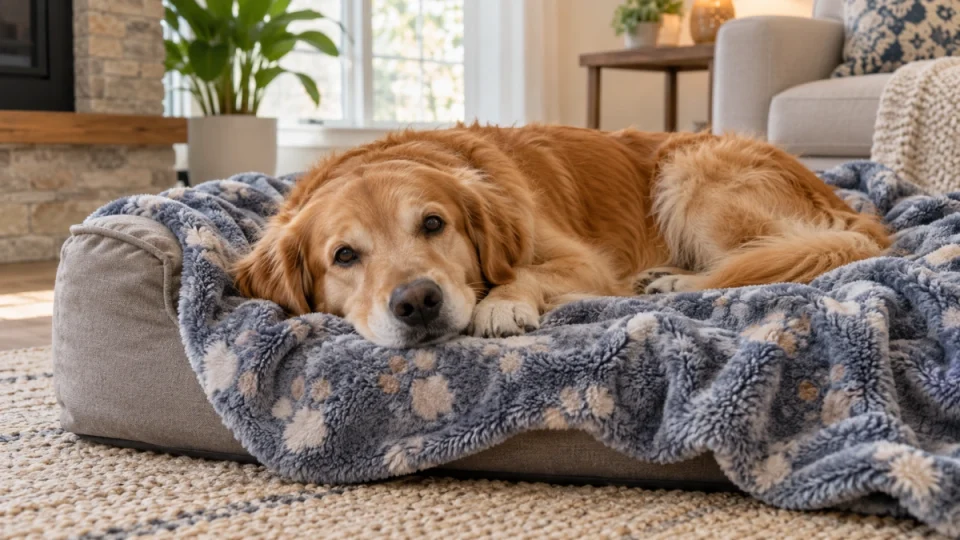
Small Dog Blankets for Dog Beds
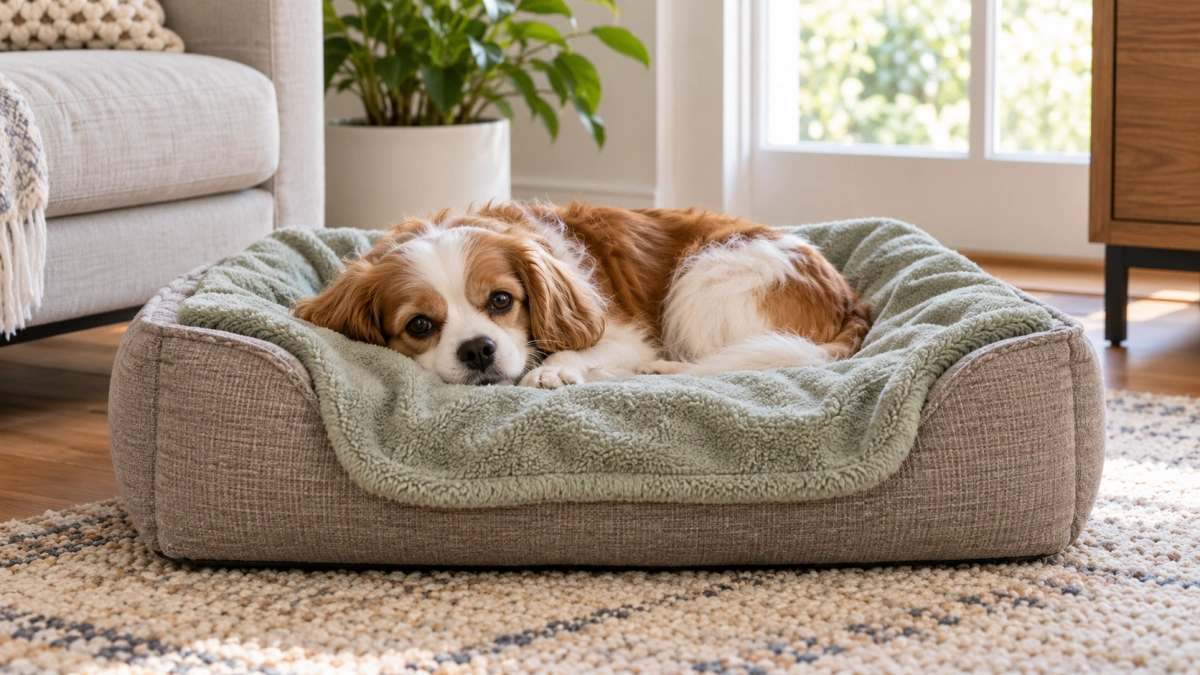
On a dog bed, the blanket should function as a removable comfort layer rather than the main structural support.
A useful setup is:
- A correctly sized supportive bed
- A lightweight washable blanket
- Enough fabric for the dog’s preferred sleeping position
Keep the bed entrance clear, especially for very small or older dogs.
For general bedding arrangements, see our guide to dog blankets for beds.
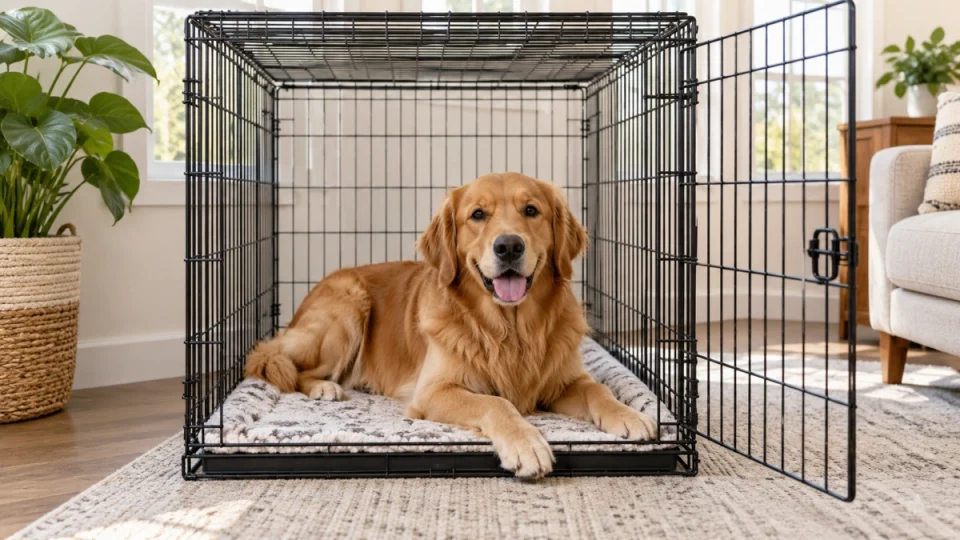
Small Dog Blankets for Crates
Crate bedding requires more control because the space is confined.
Avoid filling a small crate with an oversized human blanket.
The dog should still be able to:
- Stand
- Turn
- Lie down
- Move away from folds
For crate-specific sizing, ventilation, puppy bedding, and chewing risks, see our guide to dog blankets for crates.
Small Dog Blankets for Couches
For couch use, blanket size should be determined by the furniture area rather than the dog’s body size alone.
Even a tiny dog may move between multiple cushions.
If the goal is upholstery protection, measure the dog’s actual couch resting zone.
A small blanket may be adequate for a single favorite chair, while a larger throw may be necessary for a full sofa cushion.
Small Dog Blankets for Carriers and Travel
Inside a carrier, use a thin, correctly sized blanket that does not obstruct:
- Ventilation
- The door
- Secure footing
- The dog’s ability to reposition
Avoid deep piles of fluffy fabric inside a compact carrier.
A small washable travel blanket can also provide a familiar surface at your destination.
Small Dog Blankets for Puppies
Puppies require more supervision with blankets than established adult dogs.
Puppies may:
- Chew corners
- Pull threads
- Swallow fabric
- Urinate on bedding
- Drag blankets around the crate
Choose simple washable construction with secure edges.
PetMD advises close supervision of puppies because swallowed strings or blanket fragments can cause intestinal obstruction.
If a puppy repeatedly destroys soft bedding, temporarily using a simpler setup can be safer than continually replacing fluffy blankets.
Small Senior Dogs
Older small dogs may appreciate additional warmth, particularly when they have less muscle mass or become less active.
But easy movement remains important.
Prioritize:
- A flat blanket surface
- A low-entry supportive bed
- Minimal deep folds
- Easy washing
- An uncovered area
If a senior dog suddenly seeks far more warmth than usual, becomes weak, has difficulty rising, or shows major behavior changes, veterinary assessment is more appropriate than treating the change only with thicker blankets.
Do Small Dogs Need Heated Blankets?
Usually, an ordinary fleece or other passive warm blanket should be considered before active electrical heat.
Heated blankets introduce additional concerns such as:
- Electrical cords
- Chewing
- Excess heat
- Reduced ability to move away
PetMD specifically advises that heated blankets should not be left with pets without direct supervision.
For active heating products, see our dedicated guide to heated and warm dog blankets.
Do Not Use a Weighted Blanket for a Small Dog
Human weighted blankets are particularly inappropriate for small dogs because even relatively modest human blanket weights can represent a large percentage of a toy dog’s body weight.
PetMD recommends against weighted blankets for pets because the additional weight can create entanglement and injury risks.
Use lightweight bedding that the dog can move away from freely.
How Much Blanket Weight Is Appropriate?
For an ordinary non-weighted blanket, lighter is generally easier for a small dog to manipulate.
Pay attention to:
- Overall fabric weight
- Number of layers
- Whether the blanket becomes much heavier when wet
- Whether the dog can move beneath or away from it easily
A multi-layer waterproof sherpa blanket may feel dramatically heavier to a toy dog than a thin fleece throw of the same dimensions.
Which Material Is Easiest to Wash?
Small blankets have an advantage: most fit easily into household washing machines.
Short fleece and low-pile synthetic fabrics are often convenient because they combine:
- Low laundry bulk
- Machine-washable construction
- Reasonable drying time
Deep plush and sherpa may take longer to dry and can hold more hair.
If material comparison is your main concern, see our guide to fleece and plush dog blankets.
How to Wash Small Dog Blankets
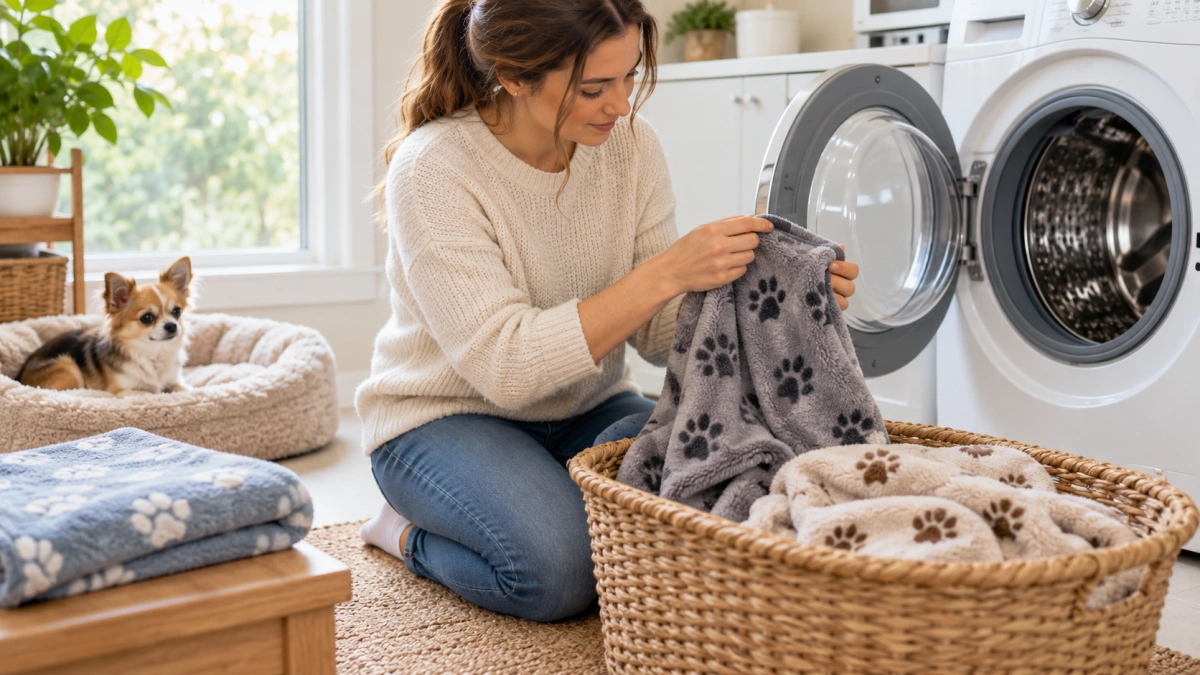
Follow the specific care label.
A simple routine is:
- Remove loose dog hair.
- Shake off dry dirt.
- Inspect seams and edges.
- Check for puppy chewing damage.
- Wash according to the care instructions.
- Dry using the permitted setting.
- Return the blanket only when fully dry.
Small blankets are easy to rotate, so there is little reason to leave dirty or damp bedding in use.
Why Two Small Blankets Are Often Better Than One
Small blankets are compact enough that keeping a clean spare is easy.
A simple two-blanket rotation gives you:
- One blanket in use
- One blanket clean and ready
This is useful for:
- Puppies
- Senior dogs
- Dogs that shed heavily
- Rainy-weather households
- Dogs with multiple resting spots
Can You Use a Human Throw for a Small Dog?
Sometimes, but size and construction matter.
A lightweight human throw may be perfectly usable on an open couch or bed if your dog can move away freely.
It becomes less appropriate when it is:
- Very heavy
- Extremely oversized for a crate or small bed
- Covered in fringe or tassels
- Loosely knitted
- Easy for the dog to shred
A pet-specific blanket is not automatically safer, but small-dog sizing can make it easier to avoid excess fabric.
Our 9-Point Small Dog Blanket Check
Use these nine checks before choosing a blanket for a small or toy-sized dog.
1. Resting Footprint
Does the blanket fit the dog’s actual curled or stretched sleeping position?
2. Use Location
Does it fit the dog bed, crate, couch, carrier, or chair where it will be used?
3. Blanket Weight
Is the blanket lightweight enough for the dog to move and exit freely?
4. Warmth
Does the insulation match the dog’s coat and the room temperature?
5. Material
Is fleece, microfiber, sherpa, plush, or cotton appropriate for the intended use?
6. Pile Depth
Does the blanket provide useful softness without excessive heat or bulk?
7. Safety
Are the seams intact and free of loose strings, fringe, or chewable decoration?
8. Laundry
Can you wash and dry the blanket frequently enough for your dog?
9. Dog Preference
Does your dog actually choose the blanket rather than repeatedly pushing it away?
A good small-dog blanket should fit the dog without overwhelming the space and provide only as much warmth as the dog actually prefers.
Common Small Dog Blanket Buying Mistakes
- Buying the smallest blanket automatically
- Choosing by body weight alone
- Ignoring stretched sleeping length
- Ignoring long-bodied small breeds
- Using oversized human blankets inside small crates
- Assuming all small dogs are cold all the time
- Buying the thickest sherpa for every toy breed
- Ignoring a fluffy double coat
- Covering a dog that repeatedly moves away
- Using excessive folded fabric
- Buying deep shag for a puppy that chews fibers
- Using tassels or loose fringe around fabric chewers
- Using a heated blanket without appropriate supervision
- Using human weighted blankets
- Ignoring washing frequency
Small Dog Blanket Buying Checklist
- What are my dog’s actual resting dimensions?
- Does the dog curl, stretch, or burrow?
- Is my dog long-bodied?
- Is the blanket going on a bed, couch, crate, carrier, or chair?
- How much usable space is available there?
- Is the blanket lightweight?
- Does my dog have a short, long, or double coat?
- How warm is the room?
- Does the dog actively seek warm bedding?
- Would fleece provide enough warmth?
- Is sherpa unnecessarily thick?
- Would low-pile microfiber be easier to clean?
- Does my dog shed heavily?
- Does my puppy chew fabric?
- Are there loose loops, fringe, or tassels?
- Is the blanket machine washable?
- Can it dry quickly?
- Should I keep a second blanket for rotation?
Final Thoughts
The best dog blankets for small dogs provide enough room for normal sleep without overwhelming the dog with unnecessary fabric, weight, or insulation.
Start with your dog’s real sleeping position. A curled Chihuahua, stretched miniature dachshund, and fluffy Pomeranian can all weigh relatively little while needing different blanket dimensions and warmth.
Then consider coat and environment. Short-coated and hairless small dogs may appreciate more insulation in cool conditions, while double-coated dogs and warm indoor environments may call for lighter bedding.
For many households, lightweight fleece offers a practical balance of warmth, flexibility, and easy washing. Sherpa and plush add more insulation, while low-pile microfiber can reduce bulk and simplify hair cleanup.
Finally, keep the setup easy to leave. A small dog should never be trapped beneath a large, heavy, or deeply folded blanket. The best blanket is one the dog can choose to use, move around on, and leave whenever it becomes uncomfortable.