By
Choosing your first dog is less about finding the easiest breed in the world and more about finding a dog whose normal needs match the life you already live.
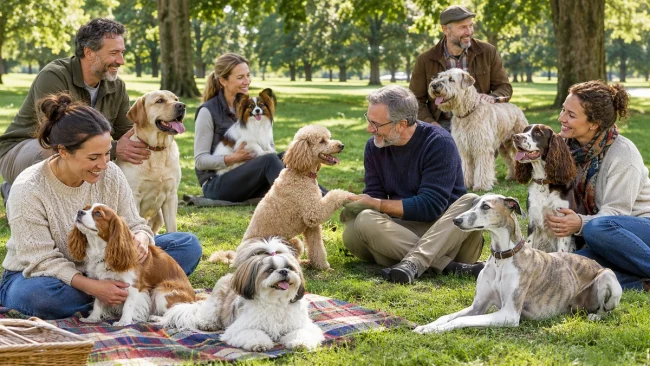
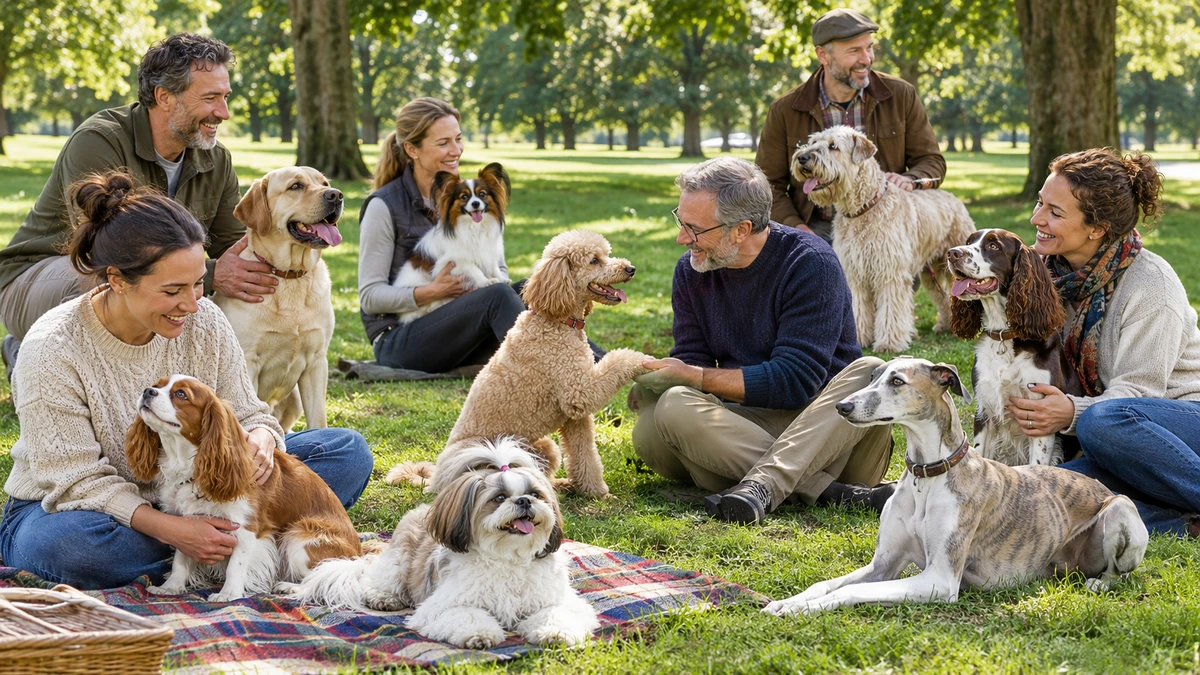
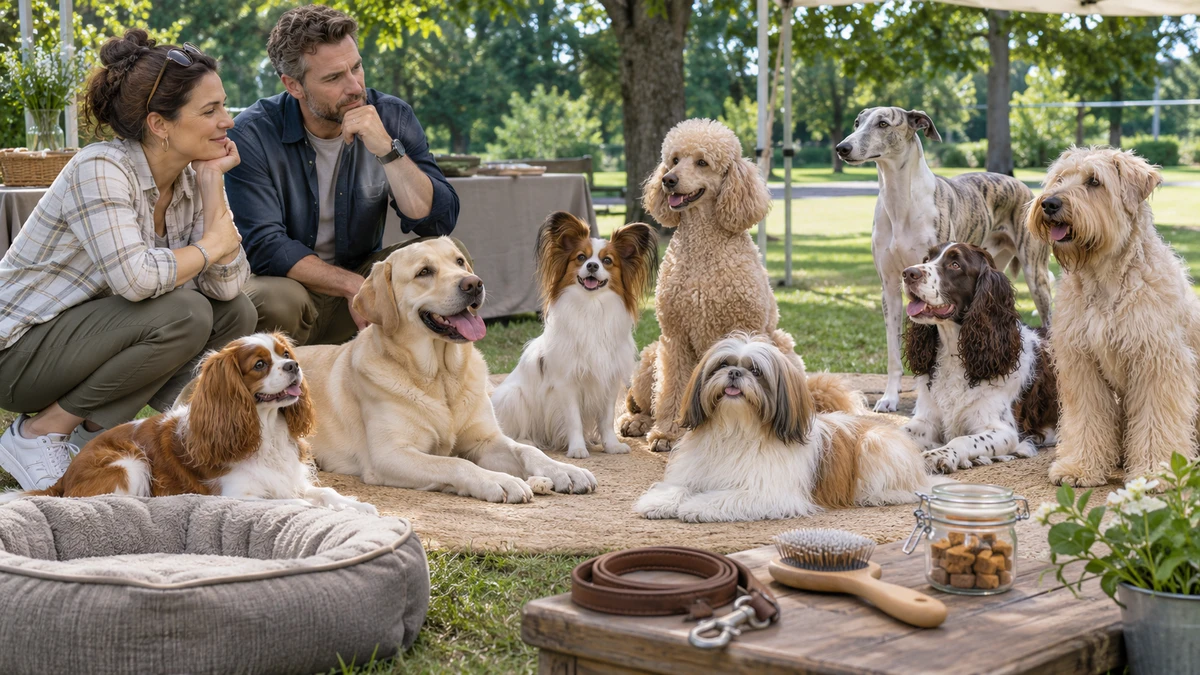
Some breeds can make the learning curve easier because they are generally trainable, people-oriented and adaptable. Cavalier King Charles Spaniels, Labrador Retrievers, Papillons, Poodles, Shih Tzus, Whippets, English Springer Spaniels and several other breeds are frequently worth researching for first-time owners.
But every beginner-friendly breed comes with trade-offs.
A Labrador is highly trainable but energetic. A Poodle is exceptionally intelligent but requires regular grooming. A Shih Tzu has modest exercise needs but can need substantial coat care. A Whippet has an easy short coat and often settles quietly indoors, but secure exercise and prey-drive management still matter.
The goal is not to find a dog that requires no skill. Your first dog will still need training, socialization, exercise, veterinary care and daily attention.
This guide compares popular first-time-owner breeds by trainability, exercise, grooming, size and lifestyle so you can choose a manageable first dog rather than simply following a generic breed ranking.
What Makes a Dog Good for a First-Time Owner?
A beginner-friendly dog often combines several useful characteristics.
- Responsive to positive training
- People-oriented temperament
- Reasonably predictable exercise needs
- Adaptability to normal household routines
- Manageable adult size for the owner
- Grooming requirements the owner can realistically maintain
- Temperament that fits the household
No breed will score perfectly in every category.
A highly trainable breed may also have high energy. A calm companion may need frequent grooming. A small dog may be physically convenient but more fragile around young children.
The best first dog is therefore the breed whose trade-offs you actually want to manage.
Quick Comparison of Dog Breeds for First-Time Owners
| Breed | Why Beginners May Like It | Main Trade-Off |
|---|---|---|
| Cavalier King Charles Spaniel | Gentle, adaptable, trainable | Grooming and breed-health research |
| Labrador Retriever | Friendly, highly trainable | High exercise and youthful enthusiasm |
| Papillon | Small, intelligent, adaptable | More activity than size suggests |
| Poodle | Very intelligent and trainable | High grooming commitment |
| Shih Tzu | Companion-oriented, modest exercise | Coat and facial care |
| Whippet | Simple coat, calm indoors | Prey drive and secure exercise |
| English Springer Spaniel | Friendly, eager to please | Daily exercise and coat care |
| Soft Coated Wheaten Terrier | Friendly, adaptable | Terrier energy and coat maintenance |
| Boxer | Affectionate, family-oriented | High energy and physical strength |
1. Cavalier King Charles Spaniel
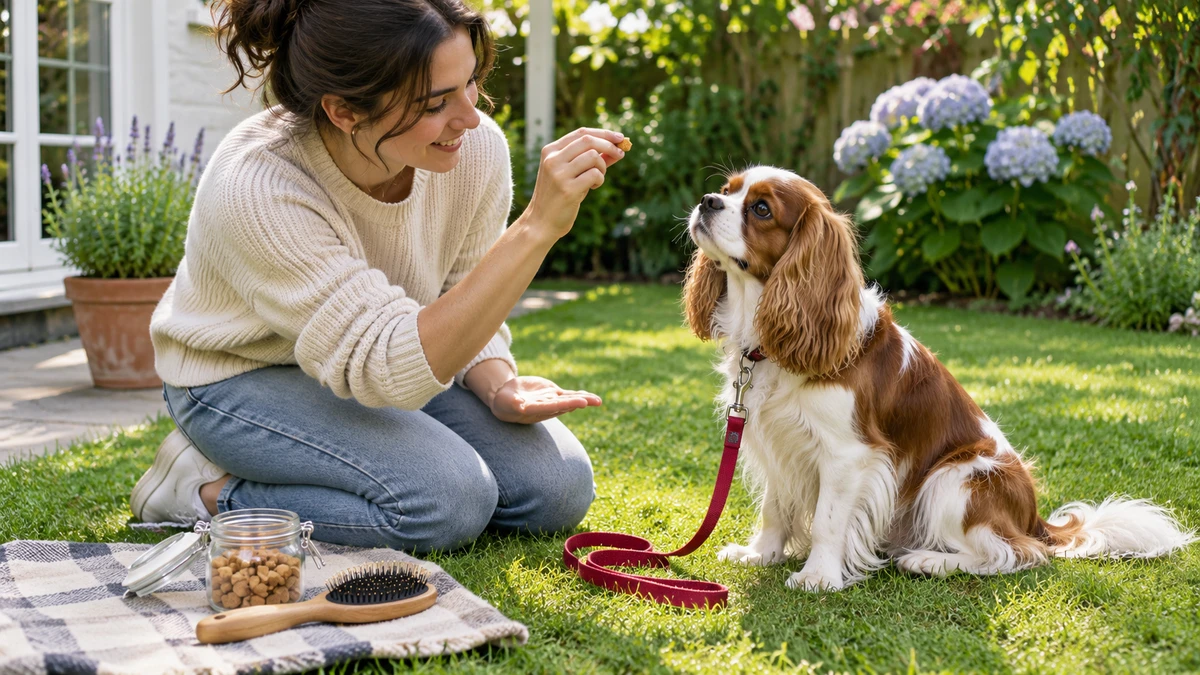
The Cavalier King Charles Spaniel is one of the clearest examples of a breed that can suit many first-time owners.
Cavaliers are generally affectionate, gentle and adaptable.
They are also eager to please and typically respond well to positive training.
Their relatively small adult size makes them easier to transport and physically manage than a large sporting breed.
They can fit different activity levels, enjoying normal walks and play while also being comfortable relaxing with their people.
Potential owners should still plan for:
- Regular brushing
- Daily companionship
- Training and socialization
- Moderate exercise
- Careful breeder health research
A Cavalier can be beginner-friendly without being maintenance-free.
2. Labrador Retriever
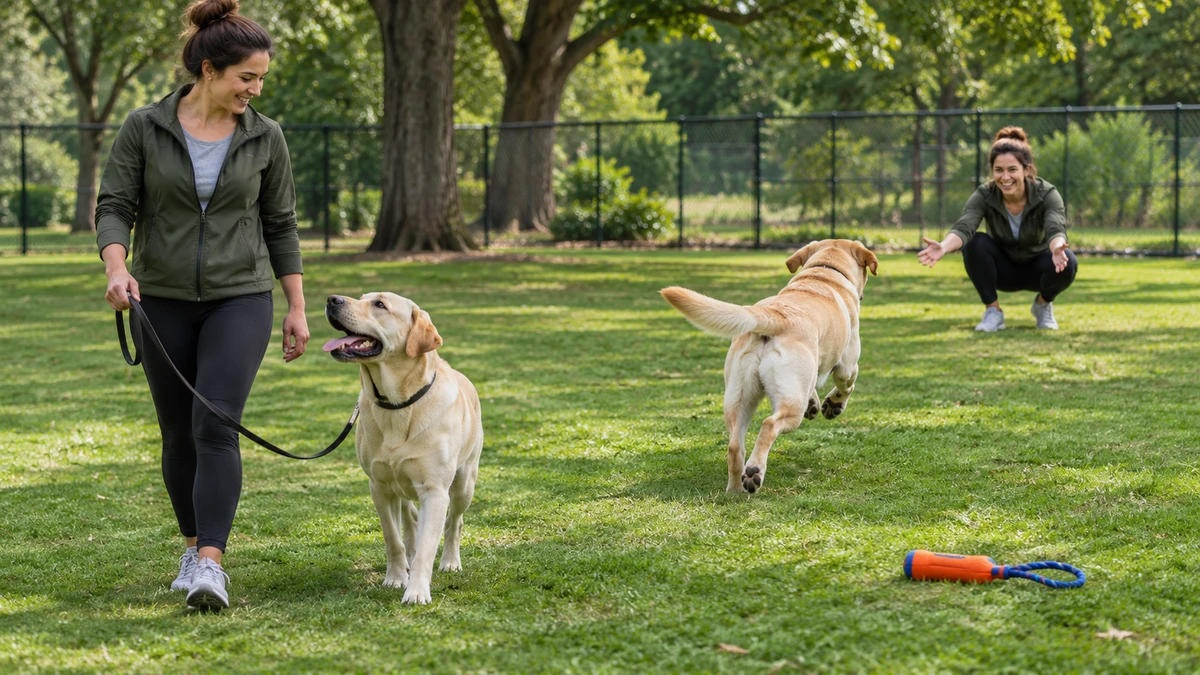
The Labrador Retriever can be an excellent first dog for an active owner.
Labs are generally friendly, outgoing and highly trainable.
They often enjoy working with people, making basic obedience and everyday household training relatively approachable for beginners who are consistent.
But Labs are not low-energy starter dogs.
They need substantial daily exercise and mental stimulation.
Young Labradors can be:
- Energetic
- Strong
- Enthusiastic jumpers
- Persistent chewers
- Very interested in food
A beginner who enjoys walking, training, retrieving games and outdoor activity may find a Lab extremely rewarding.
Someone wanting a quiet dog that requires only brief walks should choose differently.
3. Papillon
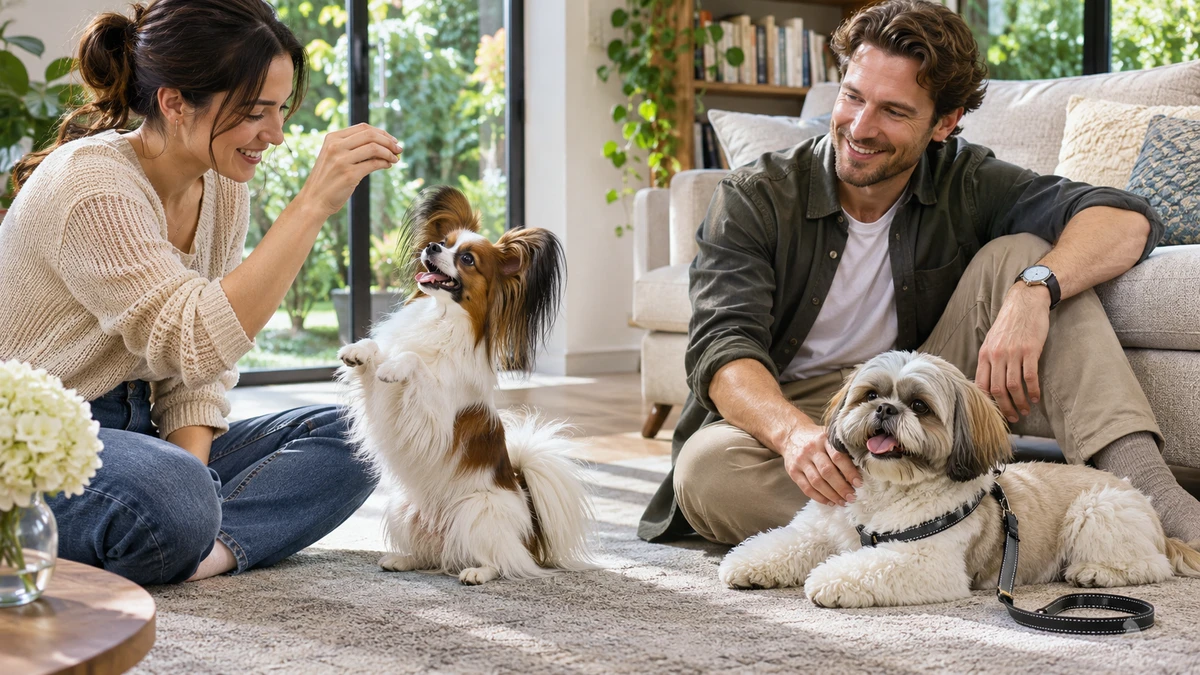
The Papillon is a useful option for first-time owners who want a very small dog without giving up trainability and activity.
Adults weigh approximately 5 to 10 pounds.
Papillons are alert, friendly and intelligent.
Despite their delicate appearance, they are athletic toy dogs that can enjoy:
- Training
- Agility
- Trick work
- Interactive play
- Walks
Their small size can work well in apartments because indoor games can provide part of their daily activity.
However, tiny size also means owners need to think about physical safety around rough play, very young children and much larger dogs.
4. Poodle
Poodles are particularly appealing for first-time owners who enjoy training.
Toy, Miniature and Standard Poodles share the same basic intelligence and trainability while offering different adult sizes.
They are exceptionally smart, people-oriented and capable of learning complex behaviors.
That can make training rewarding for beginners.
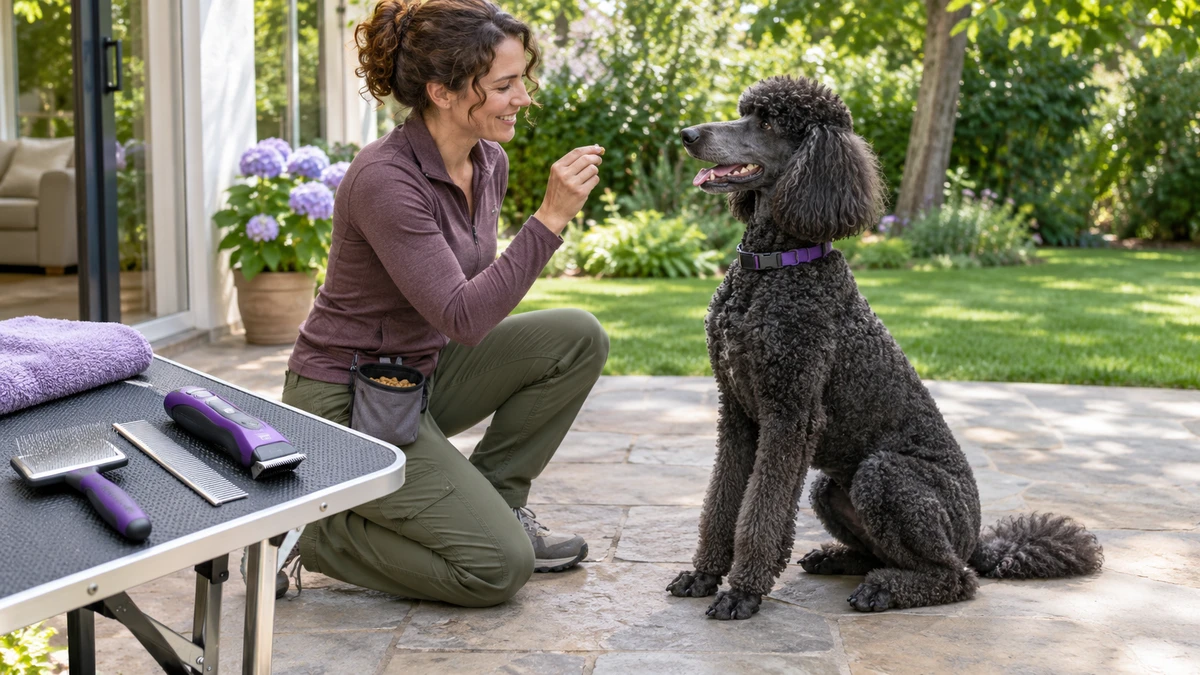
The trade-off is that Poodles are active dogs and their low-shedding curly coat requires significant maintenance.
Owners should expect:
- Daily or frequent brushing depending on coat length
- Regular clipping
- Daily exercise
- Mental stimulation
- Ongoing training
Many companion Poodles are professionally groomed approximately every four to six weeks.
Smart does not mean effortless. A bored intelligent dog can create its own entertainment.
5. Shih Tzu
The Shih Tzu can suit first-time owners who prefer a smaller companion dog and a more moderate exercise routine.
Adults typically weigh approximately 9 to 16 pounds.
They were developed primarily as house companions and often enjoy staying close to their owners.
Daily activity can usually involve shorter walks and indoor play rather than intense sporting work.
The major trade-off is grooming.
A traditional long coat requires considerable brushing.
Many pet Shih Tzus are therefore kept in shorter puppy-style trims that simplify daily maintenance.
Short muzzle structure also means owners should be cautious with strenuous exercise in hot weather.
Small Dog Breeds for First-Time Owners
If compact size is important, strong candidates to research include:
- Cavalier King Charles Spaniel
- Papillon
- Shih Tzu
- Toy or Miniature Poodle
- Bichon Frise
- Havanese
Do not choose by size alone.
A Papillon may weigh only a few pounds but can be far more active and training-focused than a larger companion breed.
A Bichon may shed very little but require regular professional grooming.
For broader small-breed comparisons, see our Best Small Dog Breeds guide.
6. Whippet
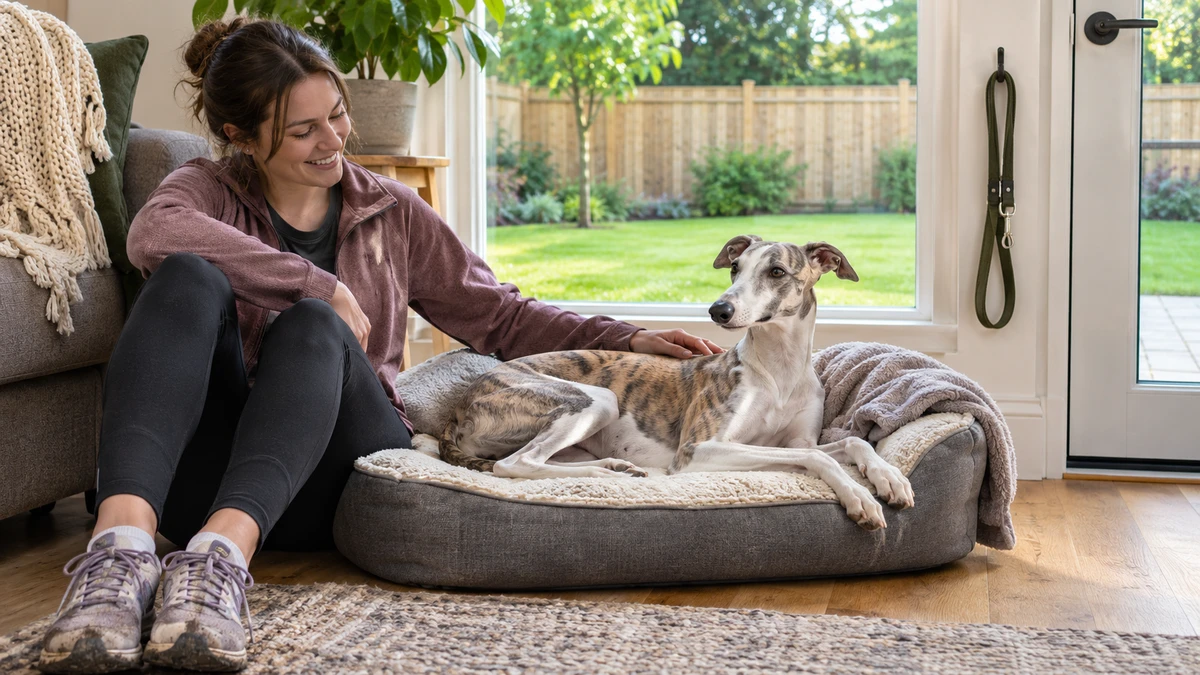
Whippets can be an excellent first dog for people who want a medium-sized companion with a simple coat and relatively calm household behavior.
Their short smooth coat requires little maintenance beyond routine brushing and bathing.
Whippets enjoy running, but many adults settle very well indoors once their exercise needs are met.
The main issue for beginners is sighthound prey drive.
A Whippet may suddenly chase a moving animal, so owners need:
- Reliable leash habits
- Secure fenced exercise areas
- Care around cats and small animals depending on the individual dog
- Recall training without assuming it overrides instinct
Their thin coat and lean body also make cold-weather protection important in some climates.
7. English Springer Spaniel
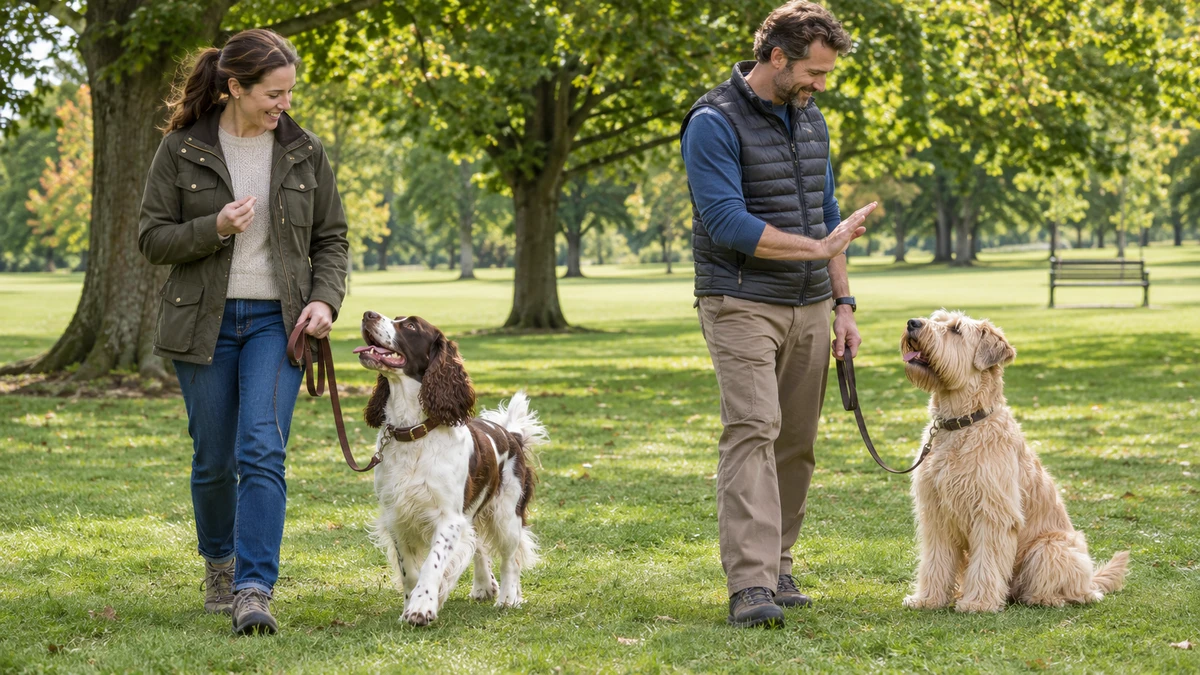
English Springer Spaniels are cheerful, affectionate sporting dogs known for working closely with people.
That cooperative temperament can make training enjoyable for a first-time owner.
They are generally eager to participate in family activities and can excel at obedience, retrieving and other structured activities.
However, Springers are active dogs.
They need daily exercise such as:
- Long walks
- Fetch
- Swimming
- Training
- Dog sports
Their feathered coat also needs regular brushing and occasional trimming.
A Springer can be an excellent beginner dog for someone who actively wants a sporting companion, but not for someone seeking minimal exercise.
8. Soft Coated Wheaten Terrier
The Soft Coated Wheaten Terrier offers a friendlier and somewhat more sociable version of the terrier lifestyle, but it is still a true terrier.
Wheatens are generally happy, devoted and adaptable.
Their relatively low-shedding coat can appeal to owners who dislike large amounts of loose hair.
But the coat needs diligent brushing and combing to prevent mats.
Wheatens also have medium-to-high energy and strong prey drive.
First-time owners considering one should be ready for:
- Daily exercise
- Consistent training
- Secure outdoor areas
- Regular grooming
9. Boxer
Boxers appear on beginner-oriented lists because they are affectionate, people-focused and relatively simple to groom.
Their short coat generally requires little maintenance.
But beginners should not overlook the physical side of Boxer ownership.
Boxers are powerful, playful and high-energy dogs.
Young Boxers can be extremely bouncy, so consistent training is important before enthusiasm becomes difficult to manage.
They may fit first-time owners who genuinely want:
- Athletic daily activity
- Structured training
- A larger, strong dog
- Close companionship
They are less appropriate for someone who interprets “beginner dog” as “easy couch dog.”
Active First-Time Owners Have More Choices
A major mistake in beginner-dog lists is treating every first-time owner as sedentary.
If you hike, walk, run, train or spend significant time outdoors, active breeds can be very manageable because your lifestyle already provides what they need.
Examples include:
- Labrador Retriever
- English Springer Spaniel
- Poodle
- Soft Coated Wheaten Terrier
- Boxer
Their exercise requirements become a problem only when they do not match the household.
Less-Active First-Time Owners Need Different Dogs
If you prefer shorter walks and more time at home, consider breeds whose normal routines are closer to yours.
Possible starting points include:
- Cavalier King Charles Spaniel
- Shih Tzu
- Whippet, with appropriate exercise opportunities
This does not mean any of these breeds can live without exercise.
It simply means you may not need the same daily activity required by a young Labrador or Springer.
Trainability Matters, but So Does Forgiveness
First-time owners are learning too.
A beginner-friendly dog ideally responds well to positive training and can cope reasonably well with an owner who is still developing timing and handling skills.
Highly trainable breeds such as Poodles and Labradors can be rewarding because progress is easy to see.
But consistency still matters.
No intelligent breed will train itself.
Start Puppy Training Early
Basic training should begin from the first days at home.
Useful first skills include:
- Name response
- House training
- Recall foundations
- Loose-leash walking
- Handling
- Settle
- Leave it
- Drop it
Positive puppy classes can also help new owners learn how to communicate effectively with their dog.
Socialization Is More Than Meeting Dogs
Good puppy socialization involves safe, positive exposure to normal life.
That can include:
- Different people
- Household sounds
- Vehicles
- Veterinary handling
- Grooming tools
- Different walking surfaces
- Calm observation of other animals
The goal is confidence, not forcing a puppy to interact with everything it encounters.
Puppy vs Adult Dog for a First-Time Owner
A puppy is not automatically easier because you can “raise it yourself.”
Puppies usually require:
- Frequent toilet breaks
- House training
- Management of chewing
- Play-biting training
- Socialization
- Multiple short training sessions
A well-matched adult dog can sometimes be easier because adult size, energy level and temperament are already visible.
A reputable rescue organization may also be able to match an individual adult dog to your experience and lifestyle.
Do First-Time Owners Need a Purebred Dog?
No.
Mixed-breed dogs can also make excellent first companions.
The important information is the individual dog’s:
- Temperament
- Size
- Exercise level
- Training history
- Behavior around people and animals
An adult mixed-breed dog living in a foster home may sometimes come with more useful real-world behavior information than a young puppy of any breed.
Grooming Can Surprise New Owners
Before choosing your first dog, research grooming honestly.
Poodles and Wheatens leave relatively little loose hair but require significant coat maintenance.
Shih Tzus can be kept in practical short trims but need recurring clipping.
Springers require brushing and trimming.
Whippets and Boxers have far simpler coats.
If you dislike grooming, do not choose a high-maintenance coat simply because you like the appearance.
Low Shedding Does Not Mean Easy Ownership
A low-shedding dog may still need:
- Professional grooming
- Daily exercise
- Training
- Mental stimulation
For dedicated coat comparisons, see our Low-Shedding Dog Breeds guide.
Small Does Not Mean Beginner-Friendly
Tiny dogs can be physically easier to manage, but breed history and temperament still matter.
Some small terriers are highly independent and active.
Some toy breeds can be vocal.
Very small dogs may also require careful handling around children and larger pets.
Choose behavior first and size second.
Large Does Not Mean Too Difficult
A Labrador can actually be easier for some first-time owners than a much smaller but highly independent breed because the Lab tends to be cooperative and trainable.
But large dogs add practical responsibilities:
- More food
- Greater leash strength
- Larger crates and beds
- More transportation space
Be realistic about what you can physically manage.
What Breeds May Be Harder for Some Beginners?
This does not mean certain breeds are “bad first dogs” in every situation.
However, a beginner should think carefully before selecting a breed primarily developed for:
- Intense livestock herding
- Independent guarding
- Protection work
- High-endurance hunting
- Very independent decision-making
These dogs may require more skill in training, management and providing appropriate work.
An experienced, highly committed first-time owner with professional support may succeed, but breed difficulty should not be ignored because the dog looks impressive.
How Much Time Does a First Dog Need?
Expect daily time for:
- Bathroom breaks
- Feeding
- Walking
- Training
- Play
- Grooming
- Cleaning
- Companionship
Puppies need considerably more frequent supervision than mature adults.
How Much Does Your First Dog Cost?
Plan beyond the initial adoption or purchase cost.
Long-term expenses can include:
- Food
- Veterinary care
- Vaccinations and preventive care
- Training classes
- Grooming
- Equipment
- Boarding or pet sitting
- Emergency care
A breed that fits your budget is more beginner-friendly than one whose normal care creates constant financial pressure.
First-Time Owners With Kids
If children are part of the household, beginner suitability and child suitability should be considered together.
A Labrador may be highly trainable yet physically energetic around a toddler.
A Cavalier may be gentle but physically smaller and more delicate.
For a dedicated comparison, see our Best Dog Breeds for Kids guide.
First-Time Owners in Apartments
Apartment living does not automatically require a tiny dog.
Consider:
- Barking
- Exercise
- Ability to settle indoors
- Elevator or stair access
- Neighbor proximity
Papillons and Shih Tzus physically fit compact homes easily.
Whippets may also adapt well when properly exercised because many settle quietly indoors.
Which First Dog Is Right for You?
| Your Priority | Breed Worth Researching |
|---|---|
| Small adaptable companion | Cavalier King Charles Spaniel |
| Active, highly trainable family dog | Labrador Retriever |
| Tiny intelligent dog | Papillon |
| Highly trainable + lower shedding | Poodle |
| Smaller dog + moderate exercise | Shih Tzu |
| Simple coat + calm house behavior | Whippet |
| Active sporting companion | English Springer Spaniel |
| Active lower-shedding terrier | Soft Coated Wheaten Terrier |
| Active family + simple coat | Boxer |
10 Questions to Ask Before Choosing Your First Dog
- How much daily exercise can I realistically provide?
- How much time can I spend training?
- How often will the dog normally be alone?
- What adult size can I physically manage?
- How much grooming am I willing to do?
- Can I afford professional grooming if needed?
- How much shedding and barking can my home tolerate?
- Do I have children or other pets?
- Do I want a puppy, or would an adult dog be easier?
- Which breed’s normal lifestyle most closely matches my own?
Final Thoughts
The best dog breeds for first-time owners are not necessarily the smallest, calmest or lowest-shedding dogs.
Cavalier King Charles Spaniels offer an adaptable small-companion option. Labradors can be excellent for active beginners who want a trainable family dog. Papillons combine tiny size with intelligence and athleticism, while Poodles provide exceptional trainability for owners prepared for grooming and exercise.
Shih Tzus can suit people wanting a smaller companion with more moderate exercise needs. Whippets combine simple coat care with relatively calm indoor behavior. English Springer Spaniels can work beautifully for active owners, while Wheatens and Boxers suit beginners ready for more energy.
There is no breed that removes the learning curve of first-time dog ownership.
Training, socialization, exercise, grooming, veterinary care and daily responsibility still belong to you.
Instead of asking which breed is easiest, ask which dog’s normal needs most closely match your home, schedule, energy and budget.
That match is what turns a good beginner breed into a good first dog for you.