By

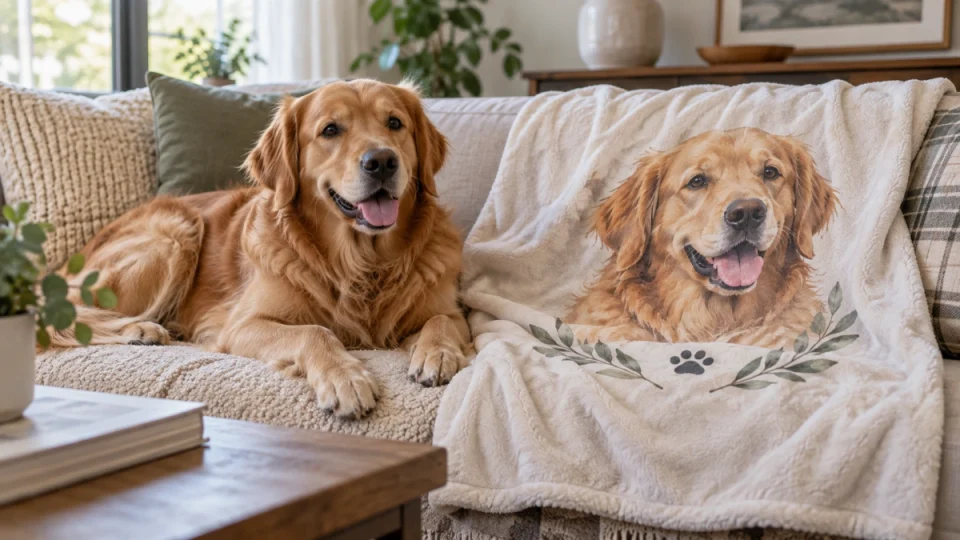
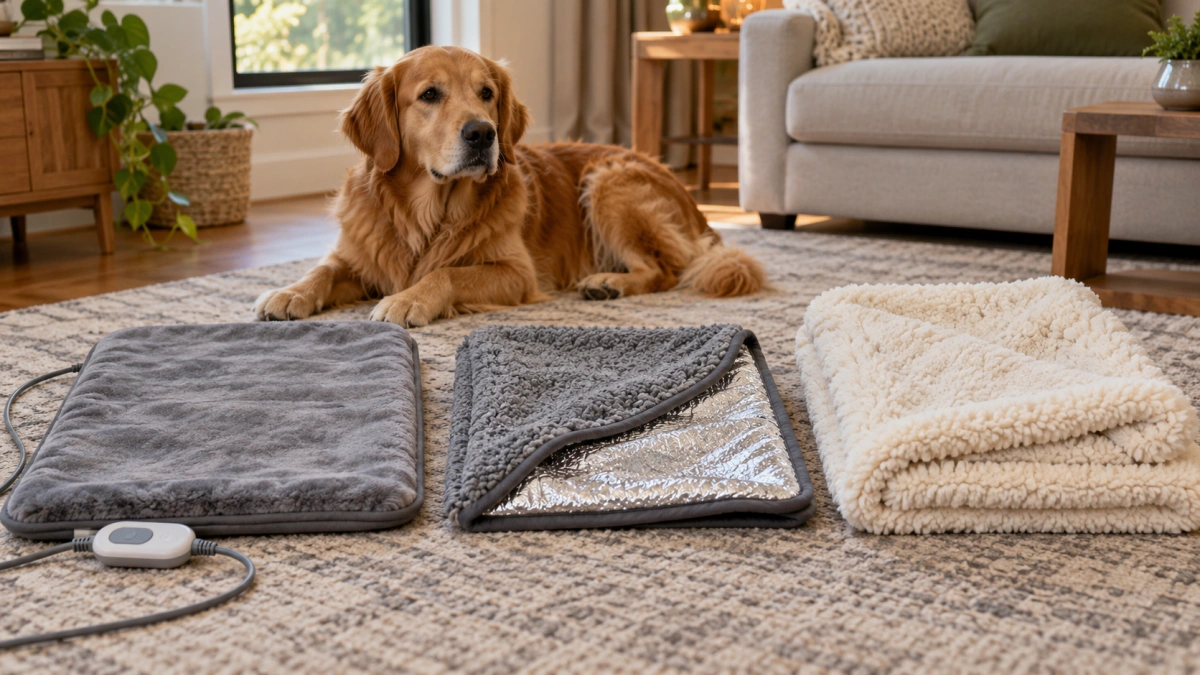
Heated and warm dog blankets can make a resting area more comfortable during cold weather, but not every product creates warmth in the same way. Some use electricity to produce active heat, some reflect your dog’s own body warmth without a power source, and others simply use insulating fleece or plush fabric.
That difference matters. A regular warm blanket has few mechanical parts, while an electric heated blanket introduces temperature, cord, chewing, burn, and electrical-safety considerations.
For many dogs, a well-insulated bed and ordinary warm blanket may be all that is needed indoors. Active electric heat should be chosen more carefully, particularly for puppies, persistent chewers, dogs with reduced mobility, or any dog that cannot easily move away when the surface becomes too warm.
For more guides covering blanket sizes, materials, furniture use, washing, and seasonal options, visit our Dog Blankets topic hub.

Quick Comparison: Which Warm Dog Blanket Type Should You Choose?
Before comparing brands or sizes, decide how much additional warmth your dog actually needs.
| Type | How It Works | Best Use | Main Safety Consideration |
|---|---|---|---|
| Regular warm blanket | Traps existing body warmth with fleece, plush, sherpa, or similar material | Everyday indoor winter use | Avoid excessive weight, loose damaged fabric, and overheating from too many layers |
| Self-warming blanket | Uses insulating or reflective layers without electricity | Dogs that need modest extra warmth without a cord | Inspect internal layers if the dog scratches or chews fabric |
| Pet-specific electric heated blanket or pad | Uses an electrical heating element to create active warmth | Selected supervised cold-weather use | Burns, damaged cords, chewing, overheating, and electrical failure |
If a soft fleece blanket already keeps your dog comfortable, adding electricity may provide little practical benefit.
If you are considering active heat, the product should be evaluated as an electrical appliance as well as pet bedding.
What Is a Heated Dog Blanket?
A heated dog blanket is generally a pet warming product that actively produces heat through an electrical element or another designed heat source.
However, product terminology can be confusing.
Search results for heated dog blankets may include:
- Electric pet warming blankets
- Electric pet heating pads
- Heated bed inserts
- Self-warming reflective blankets
- Ordinary fleece blankets marketed as especially warm
These products should not be treated as interchangeable.
Check the actual heat source before deciding whether the safety guidance for an electric product applies.
What Is a Self-Warming Dog Blanket?
A self-warming blanket does not plug into an outlet.
Instead, it generally uses insulating materials or an internal reflective layer intended to retain or reflect some of the dog’s own body warmth back toward the sleeping surface.
Its main advantage is simplicity:
- No electrical cord
- No powered heating element
- No temperature controller
- No outlet required
That can make a self-warming blanket a useful middle ground between a standard fleece blanket and an electric product.
It still needs to be the right size, remain intact, and suit your dog’s chewing and digging habits.
What Is a Regular Warm Dog Blanket?
A conventional warm blanket relies on insulation rather than active heating.
Common materials include:
- Fleece
- Sherpa-style fabric
- Plush polyester
- Microfiber
- Quilted fabric
These materials trap pockets of air and help reduce heat loss from the dog’s resting area.
For a healthy dog sleeping in a normally heated home, a regular warm blanket may be the simplest solution.
Are Heated Dog Blankets Safe?
A pet-specific electric warming product used exactly as directed may be appropriate in some situations, but active heat introduces risks that do not exist with a simple fleece blanket.
Potential concerns include:
- Excessive surface temperature
- Prolonged contact with heat
- Electrical cord chewing
- Damaged wiring
- Moisture reaching electrical components
- Controllers or connectors becoming damaged
- A dog being unable to move away
The safest approach is not to ask only whether heated blankets are safe in general.
Ask whether a particular product, used in a particular way, is appropriate for your individual dog.
Do Not Substitute a Human Electric Blanket
A human electric blanket or human heating pad should not automatically be repurposed as a dog product.
Human products are designed around human use, human behavior, and their own operating instructions. Dogs may lie in one position for long periods, scratch the surface, chew cords, dig at bedding, or be unable to communicate that a surface is becoming uncomfortable.
If you choose active heat, use a product specifically intended for pets and follow its instructions.
Do not assume that setting a human heating blanket to “low” turns it into a pet-safe product.
Your Dog Needs an Unheated Escape Area
One of the most important setup principles is choice.
Your dog should be able to move away from the heated surface whenever it wants.
Avoid creating a resting area where the entire available space is heated.
Instead, provide:
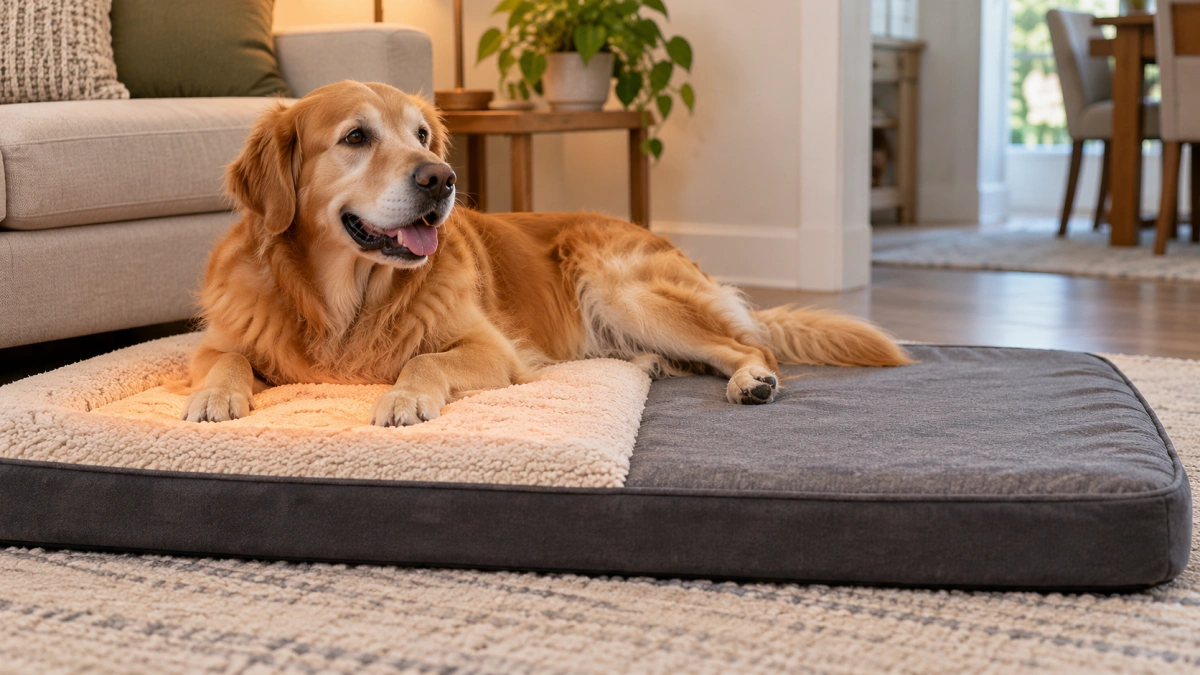
- A warmed section
- An unheated section
- An easy route between them
This is especially important for a dog that changes sleeping position frequently.
Do not tightly wrap a dog inside an actively heated blanket or otherwise prevent it from leaving the heat source.
Temperature Control and Automatic Shutoff
If you are considering an electric pet blanket, examine the actual temperature-control system.
Useful questions include:
- Does the product have multiple heat settings?
- Does it regulate temperature automatically?
- Does it include an automatic shutoff or timer?
- What temperatures does the manufacturer state?
- What surfaces can it safely be used on?
- Does the manufacturer permit continuous use?
More settings do not automatically mean a safer product.
The controls should be easy to understand, and the product should be used only within its stated operating instructions.
Cord and Electrical Safety
The cord is one of the biggest differences between an electric warming product and a normal blanket.
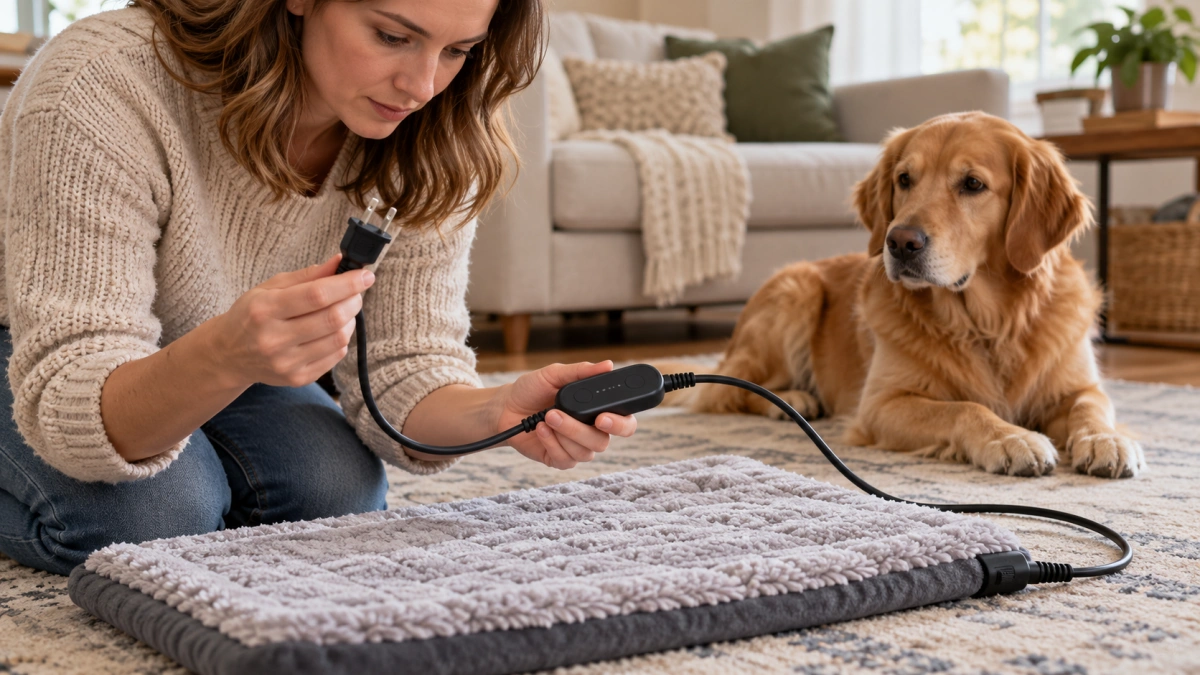
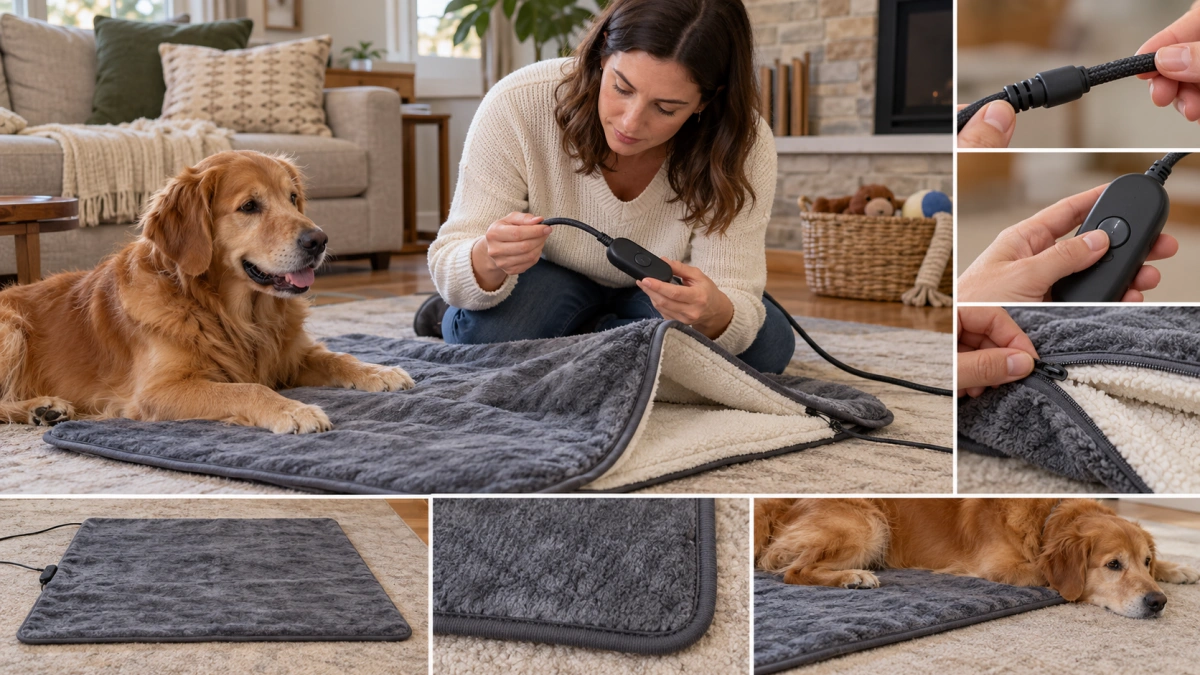
Before every use, inspect:
- The power cord
- The plug
- The connector
- The controller
- The point where the cord enters the blanket or pad
Stop using the product if you find:
- Fraying
- Exposed wiring
- Cracked insulation
- Loose connectors
- Scorch marks
- Melting
- Unusual odor
- Unexpected hot spots
Do not use tape as a permanent repair for a damaged heating product.
Keep the power cord away from the dog’s mouth and normal chewing area.
Check Product Recalls Before Using Electrical Bedding
Electrical bedding can occasionally be recalled because of overheating, wiring, fire, shock, or burn hazards.
Before using an unfamiliar or older heated product, check:
- Brand
- Model number
- Manufacturing information
- Current recall notices
A secondhand heated blanket deserves particular caution because you may not know how it was stored, washed, folded, or previously damaged.
If the label or model information is missing, it may also be difficult to verify instructions or recalls.
Heated Dog Blankets and Chewers
A dog that regularly chews blankets, cords, beds, or household objects is generally a poor candidate for an electric blanket with an accessible power cord.
Even a protected cord is not the same as a chew-proof cord.
For a persistent chewer, a non-electric solution may remove an unnecessary electrical risk.
Possible alternatives include:
- A warm fleece blanket
- A self-warming bed or blanket
- A warmer indoor sleeping location
- A more insulated dog bed
Whatever you choose, torn bedding should be replaced if loose material could be swallowed.
Heated and Warm Blankets for Senior Dogs
Older dogs may seek warmer resting locations, but senior status alone does not automatically mean an electric blanket is the best choice.
A dog with reduced mobility may have more difficulty getting up and moving away if a heated surface becomes uncomfortable.
For an older dog, prioritize:
- Easy step-on access
- A stable sleeping surface
- An unheated escape area
- Moderate, controlled warmth
- Supervised use of active heat
A supportive low-entry bed with a warm removable blanket may be sufficient for many dogs.
If your senior dog has arthritis, reduced sensation, circulation problems, a neurological condition, or difficulty changing position, ask your veterinarian before using an active heating product.

Heated Blankets for Puppies
Puppies require extra caution around active heating products.
They may:
- Chew cords
- Dig aggressively
- Urinate on bedding
- Become trapped in loose fabric
- Have difficulty regulating their environment independently
Do not improvise a puppy warming system using household heating pads or human electric blankets.
For very young puppies that genuinely require controlled supplemental warmth, follow veterinary or experienced breeding-care guidance appropriate to their age rather than relying on a generic heated blanket.
Which Dogs May Prefer a Warm Blanket?
Individual cold tolerance varies considerably.
Dogs that may seek warm bedding sooner include:
- Small dogs
- Short-coated dogs
- Hairless breeds
- Older dogs
- Very young dogs
- Dogs resting near drafts or cold floors
By contrast, a large dog with a dense double coat may actively move away from heavy winter bedding in the same room.
Use your dog’s behavior, coat, age, health, room temperature, and sleeping location together rather than assuming every dog needs the same amount of insulation.
How to Choose the Right Warm Dog Blanket Size
The blanket should fit the intended sleeping area without becoming a large pile of folded fabric.
Start by deciding where you will use it.
For a Dog Bed
Measure the sleeping surface rather than relying only on the bed’s Small, Medium, or Large label.
A blanket can cover the top of the mattress or provide enough material for light nesting without several thick folded layers.
For a Couch
Furniture coverage becomes the primary measurement. The blanket may need to extend beyond your dog’s body to protect the seating surface.
For Direct Floor Use
Choose enough area for the dog’s normal sleeping posture, but remember that a blanket provides little structural cushioning by itself.
If your dog needs support, use the blanket over an appropriate bed rather than replacing the mattress.
Where Can You Use a Warm Dog Blanket?
On a Dog Bed
A removable warm blanket can add seasonal insulation without requiring you to replace the entire bed.
This also makes cleaning easier because the top layer can be removed separately.
For more guidance on blanket fit and sleeping-surface coverage, see our guide to dog blankets for beds.
On a Couch
A warm blanket can create a designated resting area while also collecting fur and light dirt.
If furniture protection is your main goal, our guide to dog blankets for couches covers coverage and fabric choices separately.
In a Crate
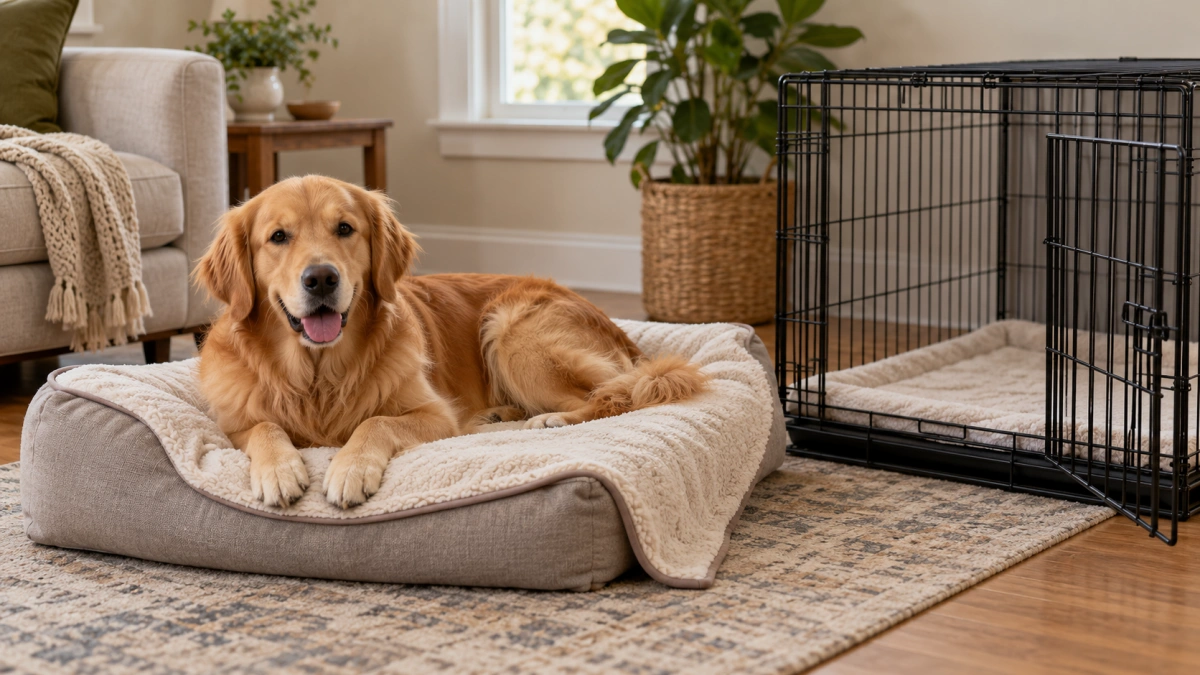
A normal non-electric blanket can be suitable for dogs that safely use fabric bedding, provided it does not become dangerously tangled, shredded, or swallowed.
Active electrical heat requires significantly more caution because confinement can limit the dog’s ability to move away from the warmed surface.
Should You Put an Electric Heated Blanket Inside a Crate?
A crate can create a specific problem with active heat: your dog has less room to choose another temperature zone.
If the crate floor is largely covered by a powered heating product, the dog may not have a practical way to escape the heat.
For that reason, do not improvise crate heating with a human heating pad or electric blanket.
If a pet-specific product is marketed for crate use, follow its installation and supervision instructions exactly and make sure the dog retains adequate unheated space.
A normal warm blanket or self-warming bedding may be a simpler choice for many crate setups.
Can a Dog Sleep on a Heated Blanket Overnight?
Do not assume that an electric product is safe for unattended overnight use simply because it feels mildly warm when you first turn it on.
Whether a product can be left operating for a particular period depends on its specific design and manufacturer’s instructions.
For active heating, supervised use is the safer default.
An ordinary warm blanket, combined with an appropriately heated indoor environment, is generally a simpler overnight arrangement.
Do Not Stack Multiple Heat Sources
Avoid combining several active heat sources in the same sleeping area.
For example, do not automatically place:
- An electric blanket over a heating pad
- A heated pad beneath another active heated product
- Multiple heating devices beneath thick insulating bedding
Layering heat sources can change how heat dissipates and may create unexpected hot areas.
Use products only in the configuration described by their manufacturer.
Warm Dog Blankets for Outdoor Use
A blanket is not a substitute for an appropriate cold-weather shelter.
Outdoor fabrics can also become damp from:
- Rain
- Snow
- Condensation
- Wet paws or coat
A wet blanket may lose much of its insulating value and can leave a dog lying against cold moisture.
If a dog is spending time outdoors in cold weather, shelter, dryness, wind protection, temperature, breed, age, health, and exposure duration matter more than simply adding another blanket.
When a Warm Blanket Is Not Enough
A dog that is dangerously cold needs more than a thicker blanket.
Early warning signs of excessive cold exposure can include:
- Persistent shivering
- Curling tightly and seeking warmth
- Lethargy
- Reduced responsiveness
- Changes in breathing
- Weakness or difficulty moving
If you suspect hypothermia or another cold-related problem, move your dog to a warmer environment and contact a veterinarian.
Do not try to treat serious cold exposure by placing the dog directly on a very hot heating pad.
How to Clean a Heated Dog Blanket Safely
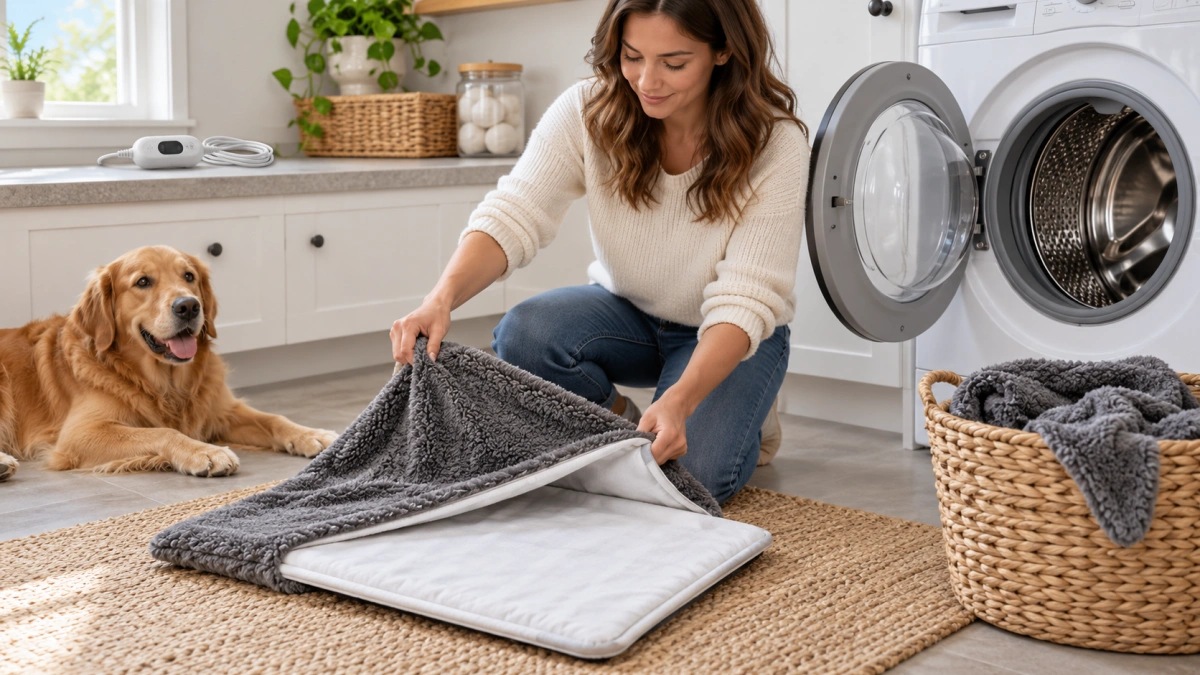
Never assume the entire electric product can be placed in a washing machine.
First:
- Turn the product off.
- Unplug it.
- Allow it to cool.
- Disconnect removable electrical components if the manufacturer permits.
- Read the product-specific cleaning instructions.
Some designs have a removable machine-washable fabric cover surrounding a heating element that should not be washed in the same way.
Others may have different cleaning requirements.
After cleaning, electrical components must be completely dry and correctly reassembled before use.
Never reconnect a damp electrical blanket simply because the outer fabric feels dry.
How to Wash a Regular Warm Dog Blanket
Non-electric fleece and plush blankets are usually simpler to maintain.
Useful features include:
- Machine-washable fabric
- Quick drying
- Strong stitched edges
- Low shedding
- Colorfast material
Remove loose dog hair before washing when practical, then follow the blanket’s care label.
Wash often enough to prevent buildup of fur, skin oils, dirt, and odor.
Waterproof Warm Blankets: Useful or Too Bulky?
A waterproof or moisture-resistant layer can be useful on couches and beds, especially for puppies, senior dogs, or wet winter paws.
However, every additional layer changes:
- Weight
- Flexibility
- Breathability
- Drying time
If moisture protection is your primary goal, compare those features directly rather than assuming the warmest and most waterproof product is automatically the most comfortable.
Our guide to waterproof dog blankets covers protective construction in more detail.
Our 7-Point Warmth and Safety Check
Use this seven-part check before choosing a heated or warm dog blanket.
1. Identify the Heat Source
Is it electric, self-warming, or simply insulating?
Do not rely on the word “heated” alone.
2. Ask Whether Electricity Is Necessary
If fleece or self-warming bedding already keeps your dog comfortable, a powered product may add complexity without solving a real problem.
3. Check Escape Space
Your dog should be able to move to an unheated resting area easily.
4. Inspect Every Electrical Component
If the product uses electricity, inspect the cord, plug, controller, connectors, and heating surface before every use.
5. Match the Product to the Dog
Persistent chewers, dogs with limited mobility, and dogs that cannot reliably move away from heat require additional caution.
6. Check Cleaning Practicality
A removable washable cover is particularly useful because electrical components often have stricter cleaning requirements.
7. Check Instructions and Recalls
Keep the model information, follow the manufacturer’s operating limits, and verify that the product has not been recalled.
Heated Dog Blankets vs Cooling Dog Blankets
These products serve opposite seasonal purposes.
A heated or warm blanket helps create a more insulated cold-weather resting area.
A cooling dog blanket uses lighter or cooler-feeling materials to reduce unnecessary insulation during warmer conditions.
If your home’s seasonal temperatures vary significantly, changing the bedding itself can make more sense than looking for one blanket that tries to do everything.
Common Heated Dog Blanket Buying Mistakes
- Assuming every “heated” blanket uses electricity
- Assuming every self-warming blanket actively generates heat
- Using a human electric blanket as a pet product
- Choosing active heat when an ordinary warm blanket would be enough
- Ignoring whether the dog chews cords
- Covering the entire available resting area with active heat
- Leaving no unheated escape space
- Ignoring automatic shutoff and temperature controls
- Using damaged cords or connectors
- Continuing to use a product with unexplained hot spots
- Using electrical bedding in a way not allowed by the manufacturer
- Assuming washable means all electrical components can be submerged
- Using active heat unsupervised without checking the instructions
- Ignoring recalls
- Expecting warmth to treat arthritis, pain, or another medical condition
Heated Dog Blanket Buying Checklist
- Is the product electric, self-warming, or simply insulated?
- Does my dog actually need active heat?
- Is the electric product specifically designed for pets?
- What temperatures does the manufacturer specify?
- Does it have temperature regulation?
- Does it have an automatic shutoff or timer?
- Is the cord protected and positioned away from chewing?
- Are the plug, controller, and connectors intact?
- Can my dog move immediately to an unheated area?
- Is the blanket large enough without requiring excessive folding?
- Is the sleeping surface easy to step onto and leave?
- Is the fabric suitable for my dog’s digging and chewing habits?
- Is the cover removable?
- Which parts are machine washable?
- What drying procedure is required?
- Can I identify the model if I need to check a recall?
- Does the manufacturer permit my intended use?
- Can I supervise the dog while active heat is being used?
Final Thoughts
The best heated dog blanket is not automatically the product that produces the most heat.
Start by deciding whether your dog needs active heat at all. For many indoor dogs, a supportive bed with a washable fleece or plush blanket can provide a comfortable winter resting area without cords, controllers, or heating elements.
If you choose an electric product, treat it as both pet bedding and an electrical appliance. Use a pet-specific design, inspect it regularly, protect the cord, follow the operating instructions, supervise its use, and make sure your dog can always move onto an unheated surface.
Self-warming blankets can provide a useful middle option when you want additional insulation without electricity.
Most importantly, match the blanket to your individual dog and environment. Warmth should improve comfort without limiting movement, creating excessive heat, or introducing avoidable electrical risks.