By A CUTE PET STORY
Sudden dog behavior changes can be confusing, especially when a normally social, calm, or predictable dog begins acting differently without an obvious reason. Changes may involve sleeping, eating, social interaction, house training, activity, vocalization, fear, or responses to people and other animals.
A behavior change does not automatically mean something is seriously wrong. Dogs can react differently because of routine changes, stress, fear, aging, discomfort, or changes in their environment. However, a sudden or significant change deserves closer attention because behavior can also be one of the first clues that a dog is uncomfortable or unwell.
This guide focuses on what owners can observe, what everyday factors may influence behavior, and when it makes sense to contact a veterinarian rather than trying to diagnose the cause at home.
For a broader look at common behavioral concerns, visit our dog behavior problems guide.
What Counts as a Sudden Dog Behavior Change?
The important question is not whether a behavior looks unusual in general. It is whether it is unusual for your dog.
For example, a dog that has always preferred sleeping alone is different from an affectionate dog that suddenly starts avoiding everyone. Similarly, an energetic dog having one quiet afternoon is less concerning than a clear change that continues or appears alongside other changes.
| Behavior Change | What You Might Notice | What to Track |
|---|---|---|
| Social withdrawal | Hiding, leaving the room, avoiding touch | When it started and whether contact seems uncomfortable |
| Restlessness | Pacing, repeatedly changing positions, difficulty settling | Time of day, activity level, and possible triggers |
| New vocalization | Barking, whining, or other sounds that are unusual for your dog | What happens immediately before and after |
| Changes in tolerance | Growling, moving away, or reacting differently to handling | Where, when, and during which interactions it happens |
| House-training changes | Indoor accidents after a previously reliable routine | Frequency, timing, thirst, and bathroom routine |
| Activity changes | Less interest in walks or play, or unusual difficulty settling | Duration and whether movement also looks different |
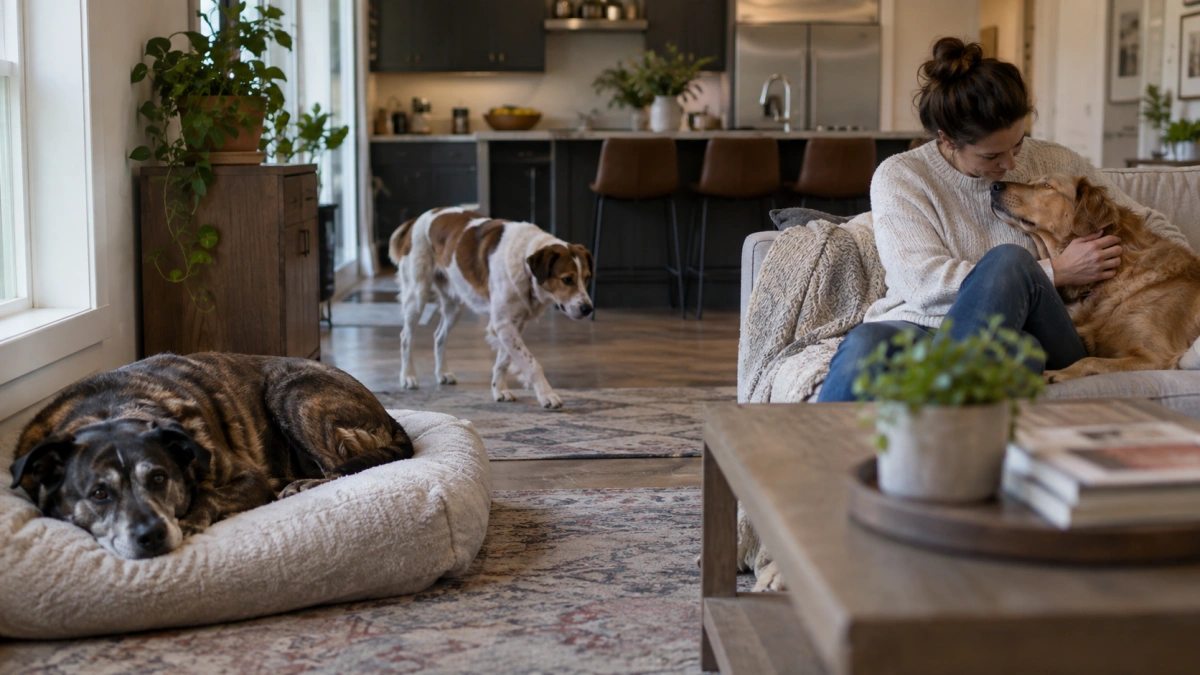
Why Is My Dog Suddenly Acting Different?
There are many possible explanations for a sudden change in dog behavior, and several factors can occur at the same time. The goal at home is not to choose a diagnosis. Instead, look for patterns and consider what has changed around the same time.
Changes in Routine
Dogs often learn predictable patterns around meals, walks, work schedules, bedtime, and family activity. A major schedule change may temporarily affect sleep, attention-seeking, activity, or settling behavior.
Examples include:
- A family member starting a new work schedule
- Walks occurring at different times
- Changes in feeding routines
- Less exercise or interaction than usual
- A recent vacation or boarding stay
Changes in the Home Environment
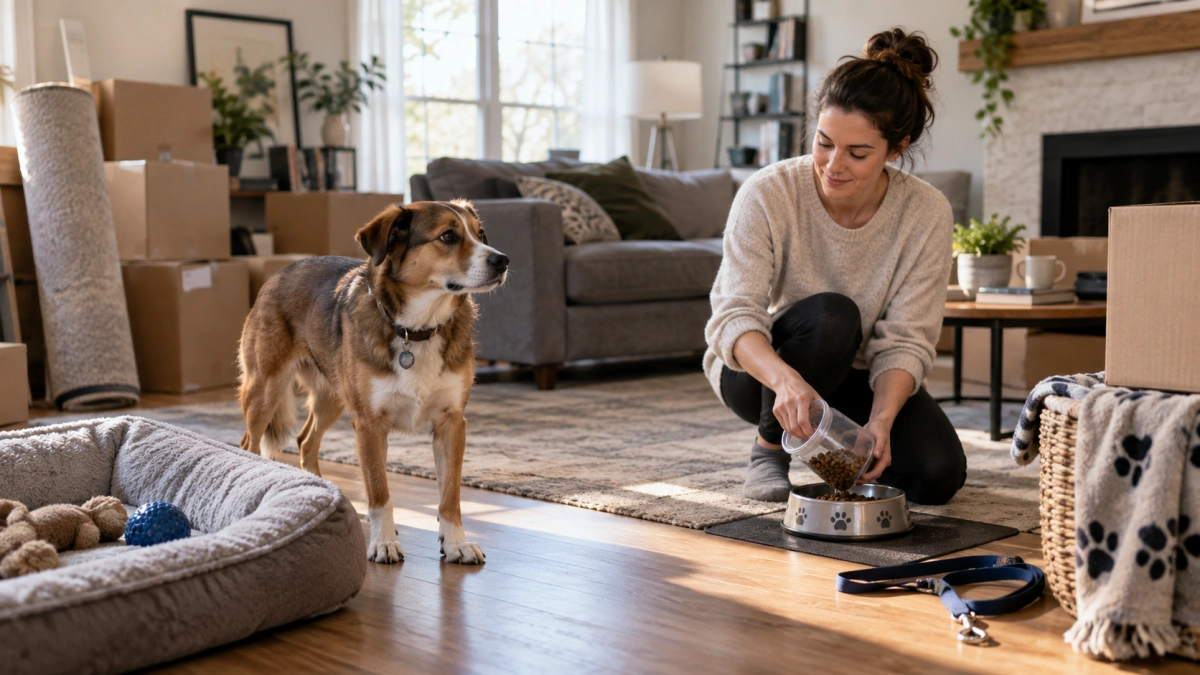
Moving, remodeling, unfamiliar visitors, a new pet, a new baby, or even repeated construction noise can change how secure or predictable a dog’s environment feels.
Rather than assuming the dog is being stubborn, consider whether the behavior began after a noticeable change in surroundings.
Fear or Stress
Dogs may respond to stressful situations by becoming more alert, clingy, withdrawn, vocal, restless, or defensive. The same dog may respond differently to different situations, so body language and context matter.
Think about whether the change follows a particular trigger such as storms, unfamiliar dogs, visitors, loud noises, travel, or a change in household routine.
Can Pain or Health Problems Change a Dog’s Behavior?
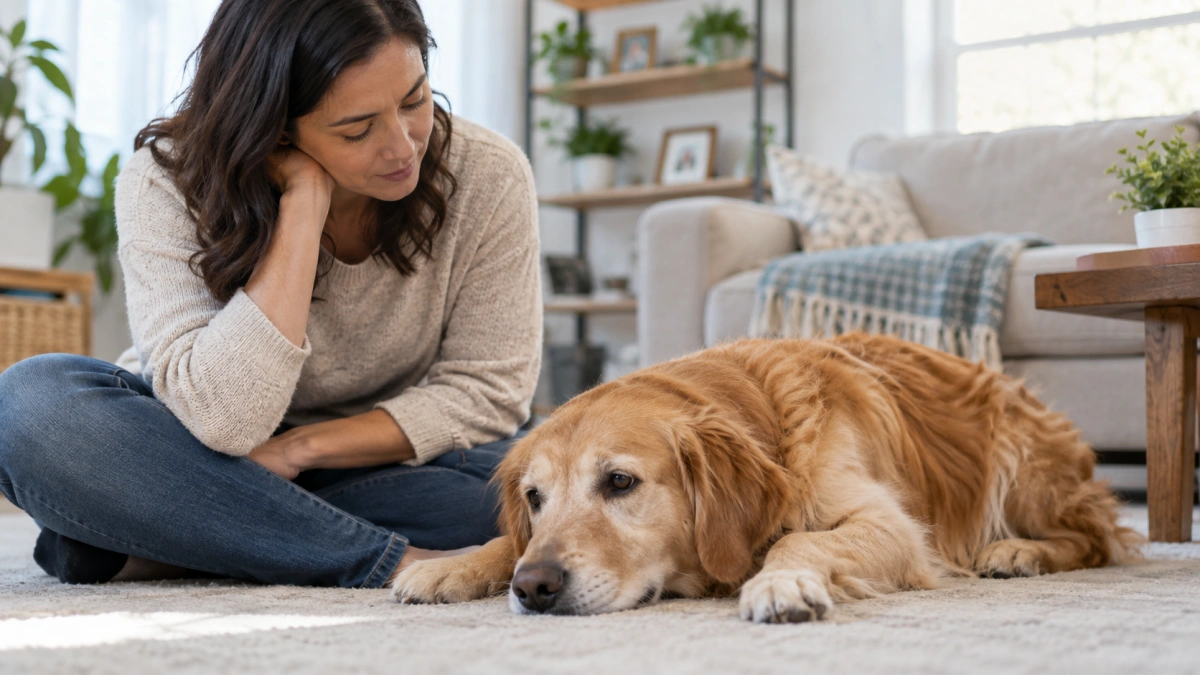
Yes. Physical discomfort and medical problems can sometimes appear first as changes in normal behavior. A dog that feels uncomfortable may become quieter, less tolerant of handling, reluctant to move, less interested in activities, or unusually restless.
This is especially important when the change is sudden. A previously friendly dog that unexpectedly growls when touched, for example, should not automatically be treated as having a training problem. Pain is one possible reason for a sudden change in tolerance or aggression.
Do not try to identify or treat the medical cause yourself. If the behavior change is substantial, unexplained, or accompanied by other physical changes, contact your veterinarian.
Sudden vs. Gradual Behavior Changes: Does Timing Matter?
Timing can provide useful context. It cannot tell you the cause by itself, but it can help you decide what information to record and how quickly to seek advice.
| Pattern | What It Means for Observation |
|---|---|
| Sudden change | Pay close attention to possible physical discomfort, recent events, environmental changes, and other new symptoms. |
| Gradual change | Look for trends involving age, routine, mobility, hearing, vision, sleep, and long-term lifestyle changes. |
| Situation-specific change | Track the exact trigger, location, people, animals, sounds, or handling involved. |
| Time-specific change | Record whether the behavior happens during meals, walks, evenings, nighttime, or when left alone. |
A written timeline is often more useful than trying to remember every detail later.
What Should You Track When Your Dog’s Behavior Changes?
A simple observation log can make patterns easier to spot and gives your veterinarian or behavior professional more useful information.
Record:
- The date you first noticed the change
- What the dog actually did
- How often it happens
- How long each episode lasts
- Where it happens
- What happens immediately before it
- Who or what is nearby
- Changes in eating or drinking
- Changes in sleep
- Changes in bathroom habits
- Changes in walking, jumping, or normal activity
- Any recent changes in the household or schedule
Keep descriptions objective. “Growled when I touched the left side while resting” is more useful than “became mean.”

What Should You Avoid Doing?
Avoid immediately punishing a dog for a new behavior when you do not yet understand why it is happening. Punishment does not identify the cause and can make fear, stress, or defensive responses worse in some situations.
Instead:
- Give the dog space when they are asking for distance
- Avoid forcing interaction or handling
- Reduce obvious triggers when practical
- Keep routines predictable
- Record what happens
- Seek professional advice when the change is significant or persistent
If the dog is growling, snapping, or showing another warning behavior, focus first on preventing unsafe interactions rather than testing how much the dog will tolerate.
Are Behavior Changes Normal in Older Dogs?
Older dogs often experience changes in activity, sleep, mobility, hearing, vision, and daily routines. However, a new behavior should not automatically be dismissed as normal aging.
Changes such as nighttime wakefulness, confusion, new house-soiling, reduced social interaction, or altered responses to familiar surroundings can have several possible explanations. Your veterinarian can help determine whether aging, discomfort, sensory changes, or another problem may be contributing.
What If the Behavior Change Happens Mostly at Night?
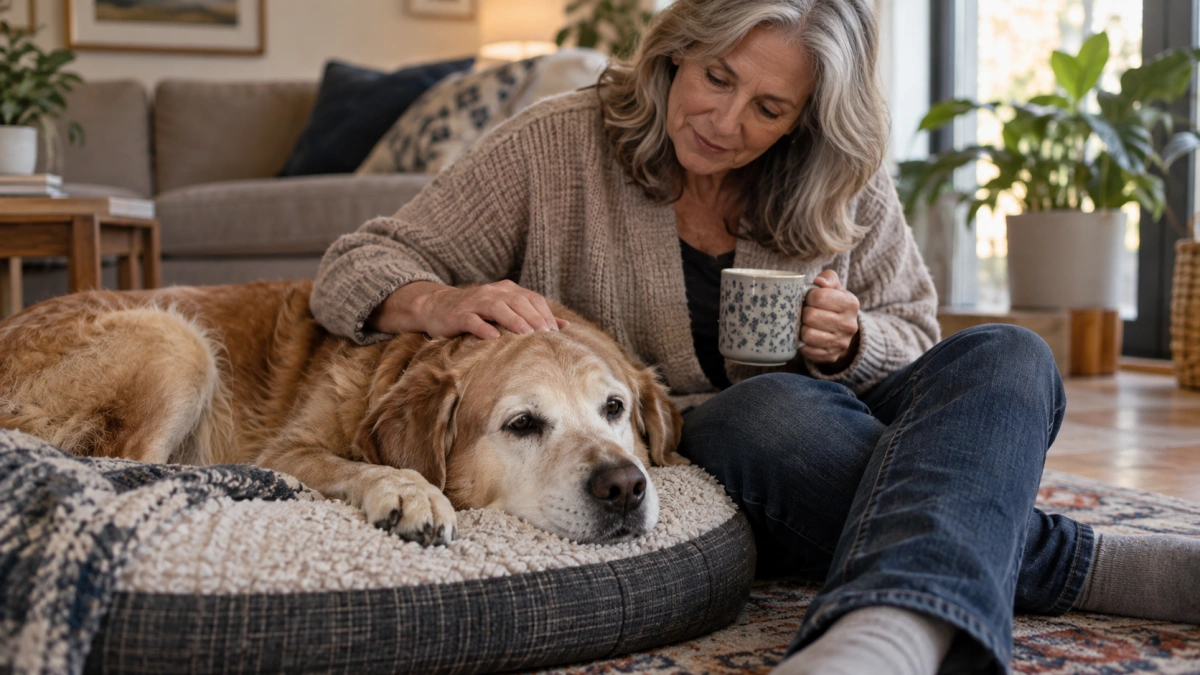
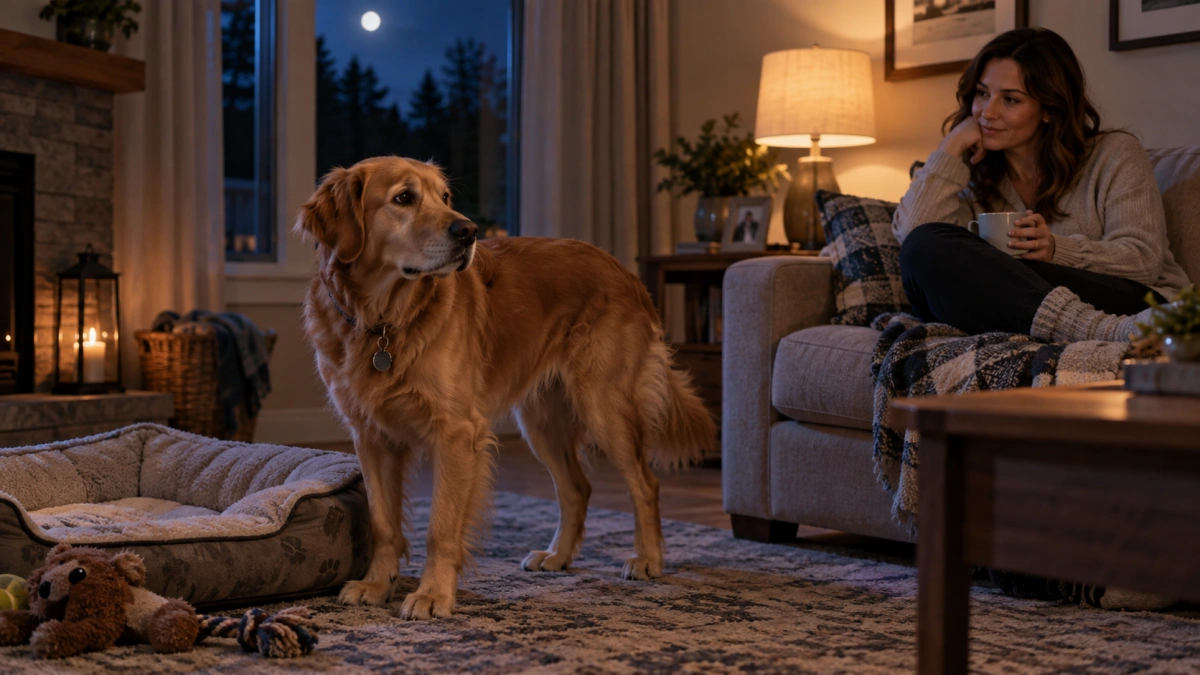
The time of day can be an important clue. Some owners notice that their dog seems normal during the day but becomes restless, vocal, clingy, confused, or unable to settle after dark.
If that pattern sounds familiar, our guide to dog behavior changes at night explains nighttime routines, environmental factors, age-related considerations, and what owners can track.
When Should You Contact a Veterinarian?
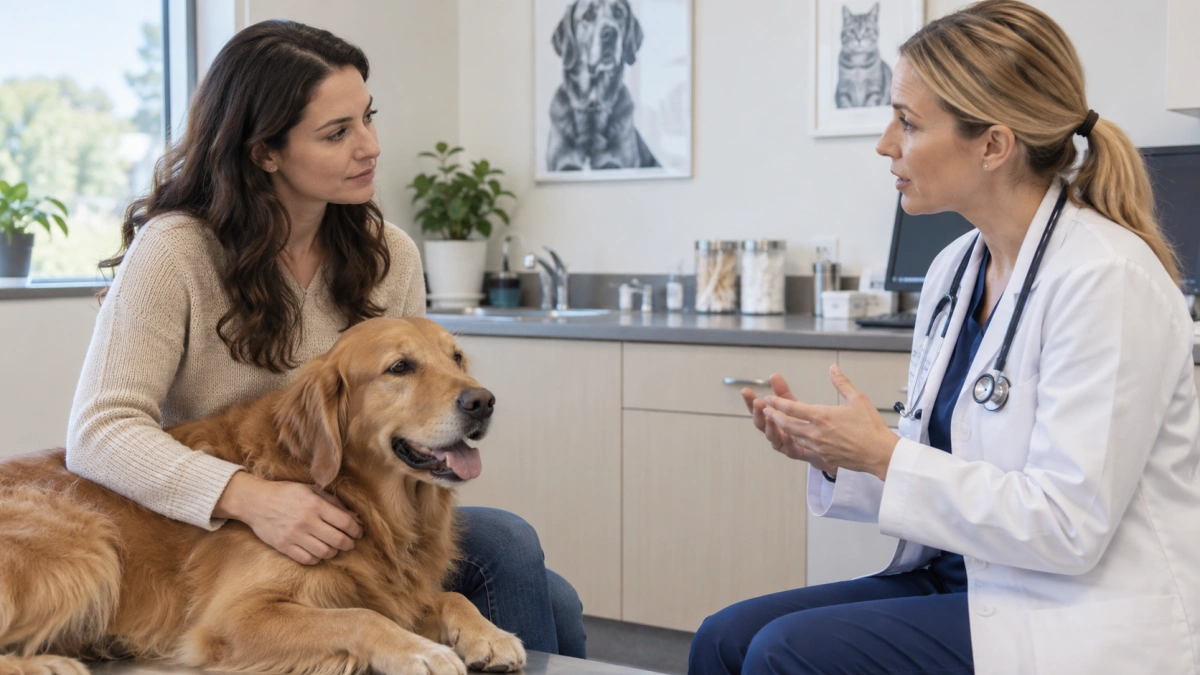
Contact your veterinarian when a behavior change is sudden, significant, persistent, or difficult to explain, particularly when it occurs together with changes in appetite, drinking, bathroom habits, mobility, sleep, awareness, or normal activity.
Veterinary evaluation is especially important for newly developed aggression or a sudden change in tolerance to touch because physical discomfort can contribute to these behaviors.
Seek urgent veterinary care if a behavior change occurs with an obvious emergency sign such as collapse, seizure activity, serious injury, severe breathing difficulty, or inability to stand normally.
If medical causes have been evaluated and the problem appears primarily behavioral, your veterinarian may recommend an appropriately qualified behavior professional.
A Simple Dog Behavior Change Checklist
When something feels different, work through this checklist before assuming your dog has simply developed a bad habit:
- What exactly changed?
- When did it begin?
- Was the change sudden or gradual?
- Does it happen only in one situation?
- Has the household routine changed?
- Has the environment changed?
- Is your dog eating and drinking normally?
- Are bathroom habits normal?
- Has sleep changed?
- Has movement or activity changed?
- Does touching a particular area trigger a new response?
- Is the behavior becoming more frequent or intense?
This process does not diagnose the cause, but it gives you a clearer picture of what is actually changing.
Final Thoughts
Sudden dog behavior changes should be approached as information rather than automatically labeled as disobedience. Routine changes, stress, fear, aging, physical discomfort, and health problems can all influence how a dog behaves.
Start by comparing the new behavior with your dog’s normal baseline, record when and where it occurs, and look for other changes happening at the same time.
If the change is sudden, significant, persistent, or accompanied by physical symptoms, contact your veterinarian. Careful observation is useful, but it should support professional evaluation rather than replace it.