Understanding dog behavior can make everyday life with your dog easier, safer, and more enjoyable. Dogs communicate through body language, habits, reactions, and learned behaviors, and understanding those signals can help owners respond more effectively.
Our Dog Behavior guides explore common behaviors and everyday challenges, from changes in habits and unwanted behavior to communication, training routines, and interactions with people or other dogs.
Not every behavior has the same cause. Age, environment, routines, previous experiences, excitement, fear, and learning can all influence how a dog behaves. Rather than focusing only on stopping unwanted habits, understanding why a behavior happens can help owners choose a more appropriate response.
Explore our dog behavior resources to better understand your dog, build clearer routines, and develop more positive everyday interactions.
Dated ArticlesPractical GuidesFocused Topics
Dogs
Explore More Dogs Topics
Find practical guides and solutions across every Dogs topic.
Practical Guides Organized Topics Clear Dates Direct Links
Normal dog behavior can include barking, sniffing, chewing, digging, playing, following people, resting, and communicating through body language. What is normal can vary with age, breed, personality, and environment.
Why does a dog's behavior change?+
Dog behavior can change because of age, routine changes, new environments, training experiences, stress, excitement, or changes in the household. Looking at when and where the behavior occurs can provide useful clues.
What are common bad behaviors in dogs?+
Common unwanted behaviors include excessive barking, chewing, jumping, pulling, digging, guarding, and destructive habits. Consistent routines and appropriate training can help improve many everyday behavior problems.
Can dog behavior be improved through training?+
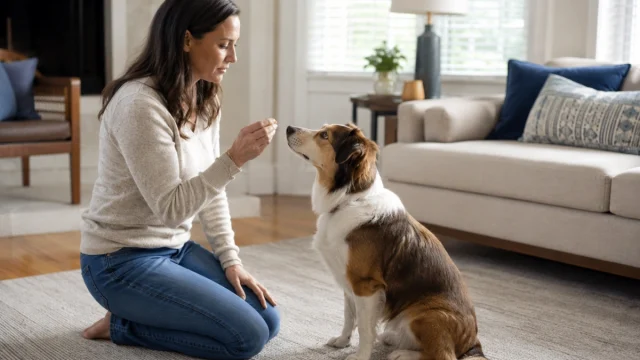
Yes. Consistent training, clear expectations, positive reinforcement, and understanding what triggers a behavior can help dogs develop better habits over time.
How can I better understand my dog's behavior?+
Pay attention to your dog's body language, environment, routines, and what happens immediately before and after a behavior. Observing these patterns can make your dog's actions easier to understand.
Our Editorial Promise
Our dog behavior guides focus on practical, responsible, and easy-to-understand information for everyday dog owners. We aim to explain common behaviors clearly and help readers build more positive routines and interactions with their dogs.
Understand Your Dog Better
Get practical dog behavior guides, everyday training insights, and helpful tips for building better routines with your dog.
No email is sent automatically yet. You can request removal through the Contact page.

 Featured